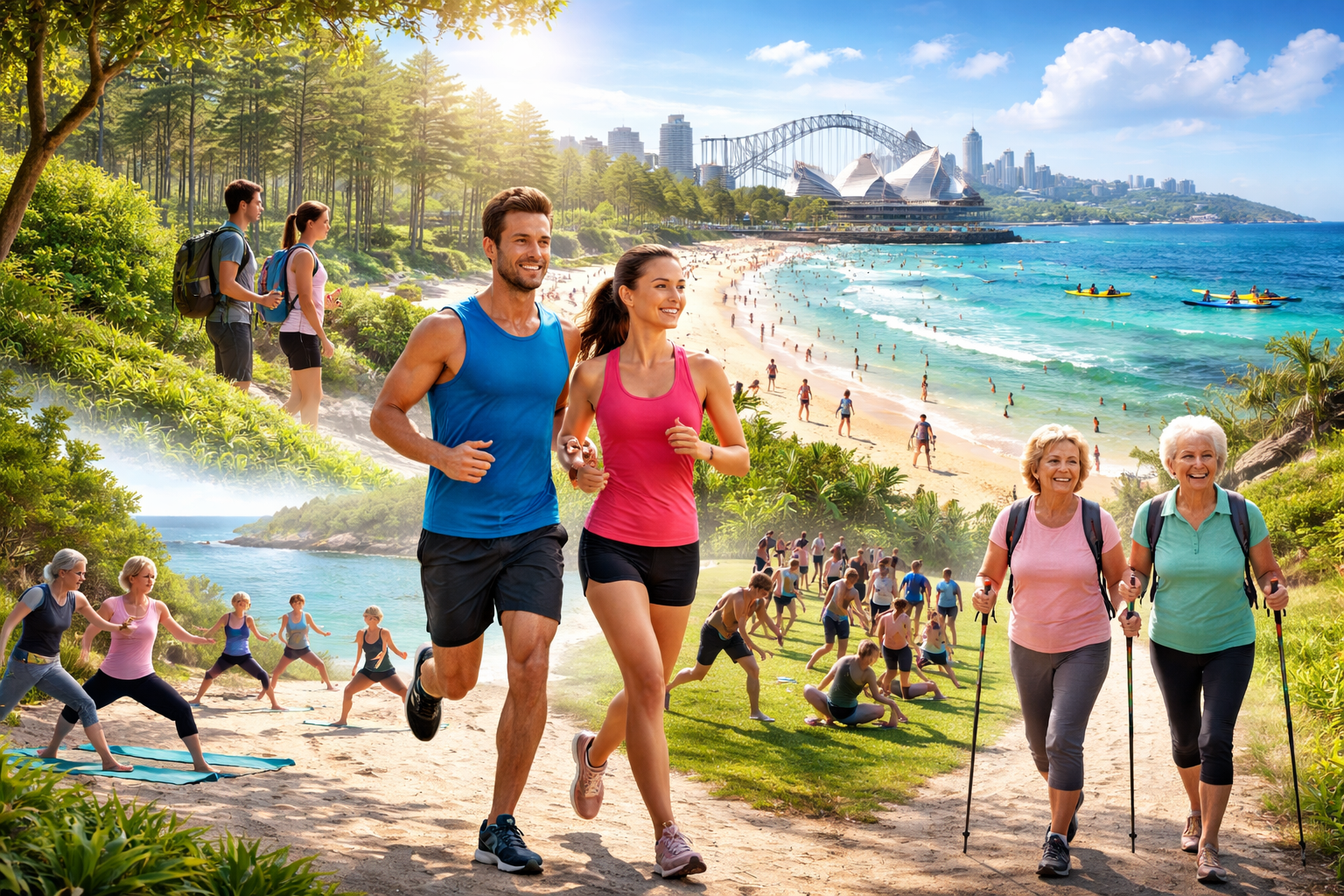
Australia’s commitment to fitness and physical activity has played a critical role in shaping the nation’s approach to health. With increasing rates of chronic diseases, mental health challenges, and sedentary behavior, fitness has emerged as a powerful tool in promoting long-term well-being. Australians are fortunate to live in a country where fitness is prioritized, with abundant outdoor spaces, community initiatives, and government programs designed to encourage physical activity.
Physical activity is essential in combating chronic conditions that affect millions of Australians, including obesity, heart disease, and type 2 diabetes. Exercise helps regulate body weight, improve cardiovascular health, and reduce blood pressure, all of which contribute to preventing these common health conditions. Regular exercise also boosts energy levels and strengthens the immune system, helping Australians live longer, healthier lives.
In addition to physical health, fitness plays a vital role in mental well-being. Mental health issues such as depression, anxiety, and stress are prevalent in Australia, and engaging in physical activity has been shown to alleviate these conditions. Physical exercise triggers the release of endorphins, known as “feel-good” hormones, which reduce feelings of stress and improve mood. Regular participation in physical activities such as running, swimming, or group fitness classes can provide a natural, effective remedy for mental health struggles.
The Australian environment encourages an active lifestyle. From coastal walks to forest hikes, Australians have access to a wide variety of outdoor activities that support both physical fitness and mental relaxation. These natural spaces offer the perfect setting for individuals to engage in physical activity while benefiting from the mental health advantages of being outdoors. Studies consistently show that spending time in nature can reduce stress, improve mood, and enhance overall well-being.
Fitness is not only an individual pursuit but also a community-driven effort in Australia. Sports leagues, fitness groups, and recreational clubs offer Australians the opportunity to stay active while building social connections. Participating in these community programs fosters a sense of belonging and camaraderie, particularly for older adults who may be at risk of isolation. For many Australians, these community-based fitness initiatives provide vital support in maintaining both physical health and emotional resilience.
As Australia’s population ages, the importance of staying active becomes even more apparent. Older Australians who engage in regular physical activity can improve their balance, strength, and flexibility, which helps prevent falls and supports continued independence. Programs tailored to older individuals, such as gentle aerobics, yoga, and swimming, are crucial in promoting mobility and quality of life as people age.
Fitness is not just a personal choice but a societal priority in Australia. Through government programs and public health campaigns, Australians are encouraged to adopt healthier lifestyles. By prioritizing fitness and physical activity, Australia is paving the way for a healthier, more vibrant society.