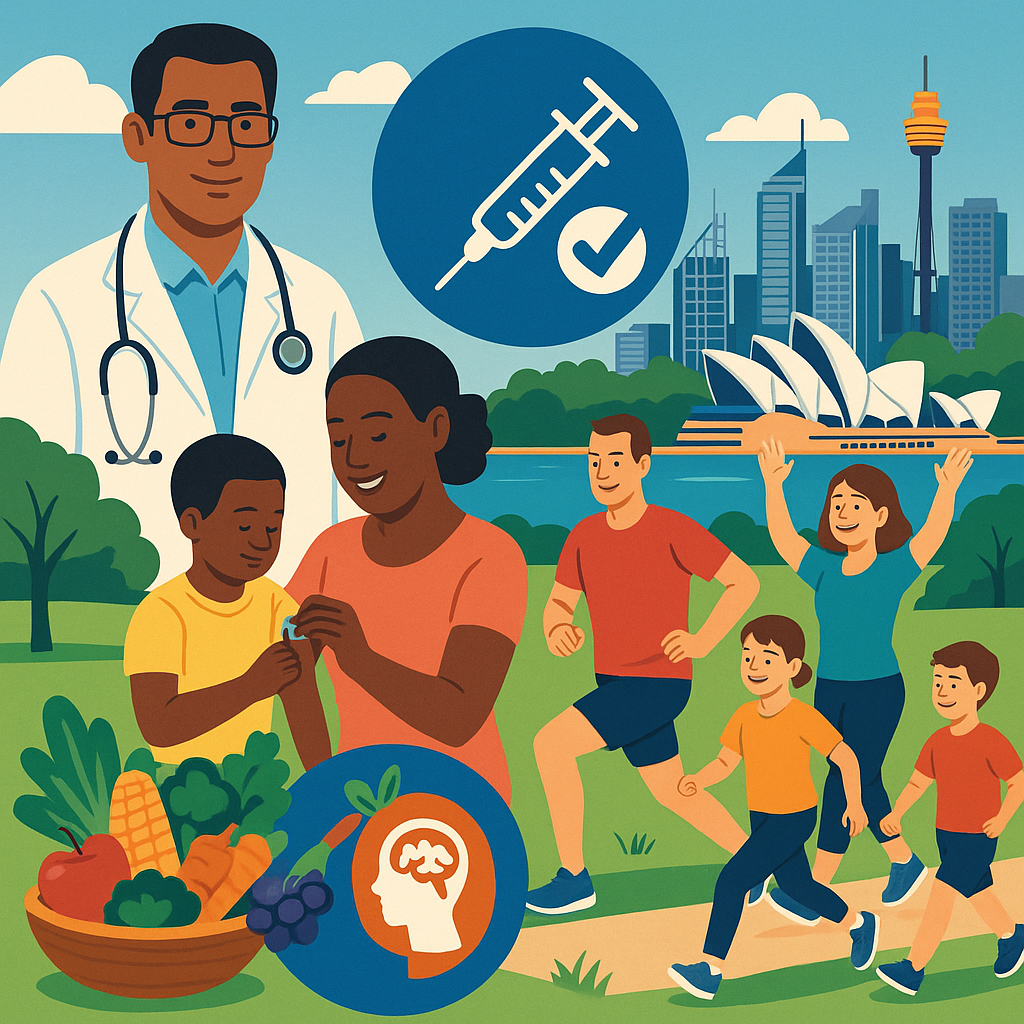
Australia, with its diverse ecosystems, large population, and interconnected global links, is always at risk from infectious diseases. Whether through travel, environmental changes, or cross-border trade, new diseases can potentially emerge and pose a threat to public health. Therefore, a multifaceted approach to controlling and preventing the spread of infectious diseases is necessary to protect the population.
The country has implemented various measures to curb the spread of infectious diseases, with a focus on surveillance, vaccination, public awareness campaigns, and collaborative international efforts. These strategies not only safeguard public health within Australia but also contribute to global health security.
Surveillance: Monitoring and Early Detection
Effective surveillance systems are essential for the early detection of infectious disease outbreaks. In Australia, various systems and networks are in place to monitor diseases as they occur. The National Notifiable Diseases Surveillance System (NNDSS) is one example that gathers data on diseases from across the country, allowing health authorities to assess the situation and act quickly if necessary.
Surveillance data helps identify disease patterns and trends, guiding public health decisions and enabling the government to activate preventive measures early. With the advancement of digital technologies, contact tracing apps and automated alerts further assist in identifying and containing outbreaks in real time.
Vaccination: Key to Preventing Disease Spread
Vaccination is one of the most effective tools for preventing infectious diseases in Australia. The National Immunisation Program (NIP) offers free vaccines to children and adults, covering a wide range of diseases, including measles, diphtheria, and seasonal flu. By vaccinating a large portion of the population, Australia creates herd immunity, which protects individuals who cannot be vaccinated due to health reasons.
The introduction of COVID-19 vaccines was a turning point in managing the global pandemic. Australia’s rapid and well-organized vaccination rollout helped control the spread of the virus and minimize its impact. Vaccination efforts are also a key component in preventing seasonal flu outbreaks, with millions of people receiving flu shots every year.
Health Education: Promoting Safe Practices
Public health education is crucial in raising awareness about the importance of hygiene, vaccinations, and preventive health behaviors. In Australia, government agencies and local health authorities regularly conduct campaigns that provide the public with vital information on how to protect themselves from infectious diseases.
During the COVID-19 pandemic, Australians were educated on proper mask-wearing, social distancing, and hand hygiene. The success of these campaigns shows how informed individuals can significantly reduce the risk of disease transmission. Health campaigns also encourage people to seek medical attention early if they experience symptoms of diseases like tuberculosis, influenza, or whooping cough.
Healthcare Facility Infection Control
Healthcare settings are particularly vulnerable to the spread of infectious diseases. In Australia, strict infection control practices are enforced in hospitals and clinics. These protocols include proper sanitization procedures, the use of personal protective equipment (PPE), and strict patient isolation when necessary.
Healthcare workers undergo regular training on infection control measures to ensure that they are well-prepared to handle infectious disease outbreaks. Hospitals also have dedicated teams that respond to infectious disease threats and prevent the cross-contamination of patients.
International Collaboration and Preparedness
In the face of global health challenges, Australia actively participates in international collaborations to prevent the spread of infectious diseases. This includes working with organizations such as the World Health Organization (WHO), the Global Health Security Agenda (GHSA), and regional partners to share information and resources.
Australia’s close ties with neighboring Pacific nations are particularly important, as these regions face higher risks of disease outbreaks. Through partnerships, Australia helps improve healthcare infrastructure, increase vaccination coverage, and provide medical support to mitigate the spread of infectious diseases.
Conclusion: Ongoing Commitment to Public Health
Australia’s approach to infectious disease control is comprehensive, involving the combined efforts of public health authorities, healthcare providers, and the public. Surveillance systems, vaccination programs, health education, infection control in healthcare settings, and international cooperation all work together to prevent and contain infectious diseases.
Through these ongoing efforts, Australia remains well-positioned to manage and respond to emerging infectious disease threats. By continuing to strengthen these strategies, Australia can protect its population and contribute to global health security.