Australia has increasingly turned to digital health technologies to enhance the delivery of healthcare services, and telemedicine has emerged as a central solution in addressing challenges related to accessibility, cost, and efficiency. Telemedicine refers to the use of telecommunication tools to provide healthcare services remotely, and it has proven to be a powerful solution for overcoming the geographic barriers that have historically hindered healthcare access in Australia’s rural and remote areas.
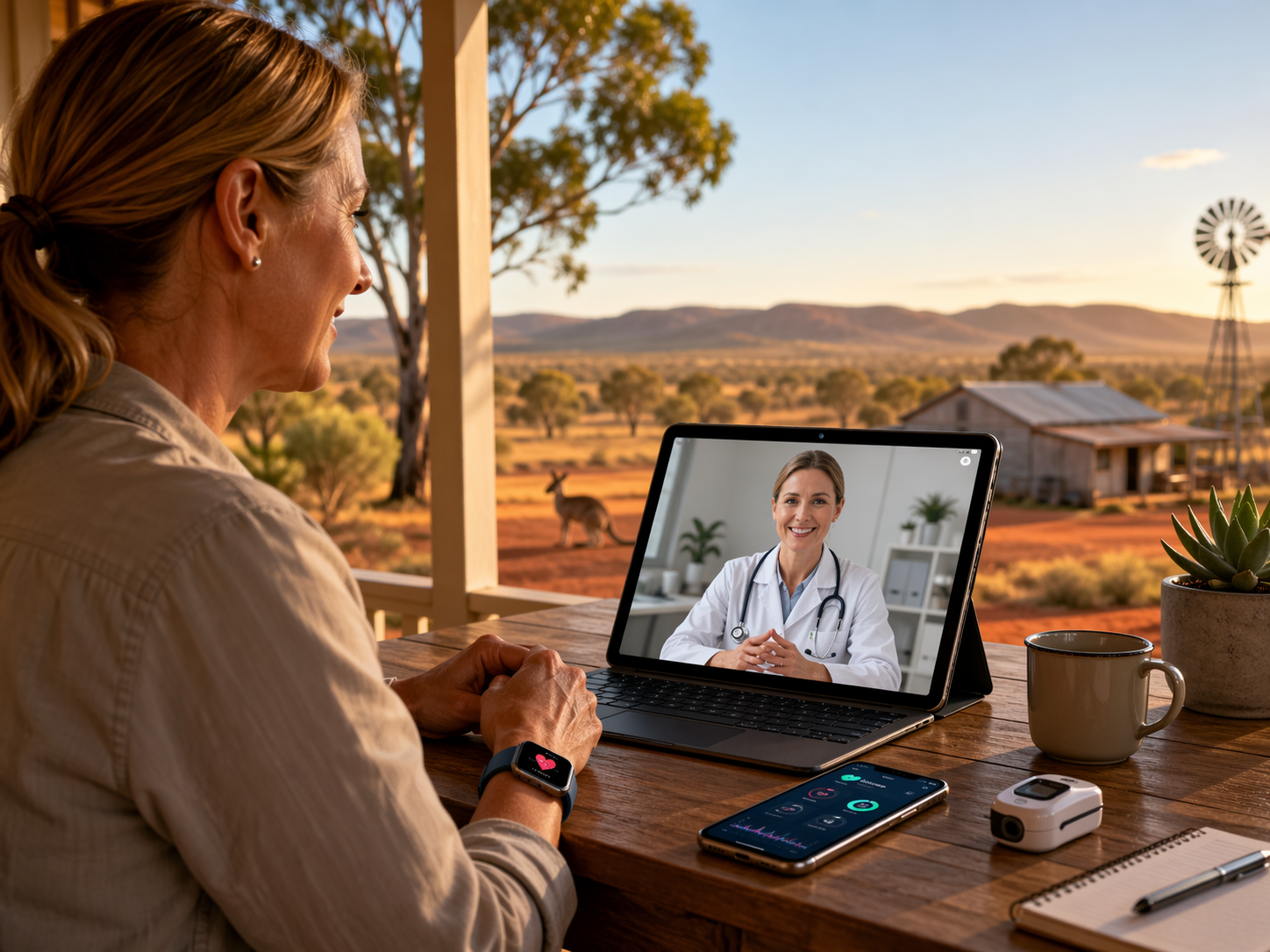
Telemedicine allows patients to consult with healthcare professionals via phone, video calls, or online messaging platforms, which is especially beneficial for those who live far from medical centers or face mobility challenges. For Australians residing in rural areas, where healthcare facilities are limited and specialists may be scarce, telemedicine offers an opportunity to receive consultations without the need for long-distance travel. This not only saves time but also reduces the associated costs, making healthcare more affordable for individuals who might otherwise struggle to access it.
The expansion of telemedicine in Australia has been driven by several factors, including the need for more efficient healthcare delivery, the increasing demand for services, and advancements in technology. During the COVID-19 pandemic, telemedicine played an essential role in ensuring continued access to healthcare while minimizing the risk of virus transmission. The Australian government responded swiftly by extending Medicare coverage to include telehealth services, which made remote consultations more affordable for a wider range of patients.
Beyond remote consultations, telemedicine is supported by various digital health tools, such as wearable devices and health apps, which allow healthcare providers to monitor patients’ conditions in real time. These devices provide continuous updates on vital signs, such as heart rate, blood pressure, and glucose levels, which helps doctors make more informed decisions about treatment. The integration of these tools with telemedicine enables a more personalized approach to healthcare, where treatment can be adjusted based on real-time data.
Telemedicine also contributes to greater efficiency in the healthcare system by allowing healthcare professionals to manage their time better. By reducing the need for in-person visits, doctors can focus on urgent cases while still providing care for non-urgent conditions remotely. This is particularly important in addressing the increasing demand for healthcare services in Australia, where healthcare professionals are often stretched thin.
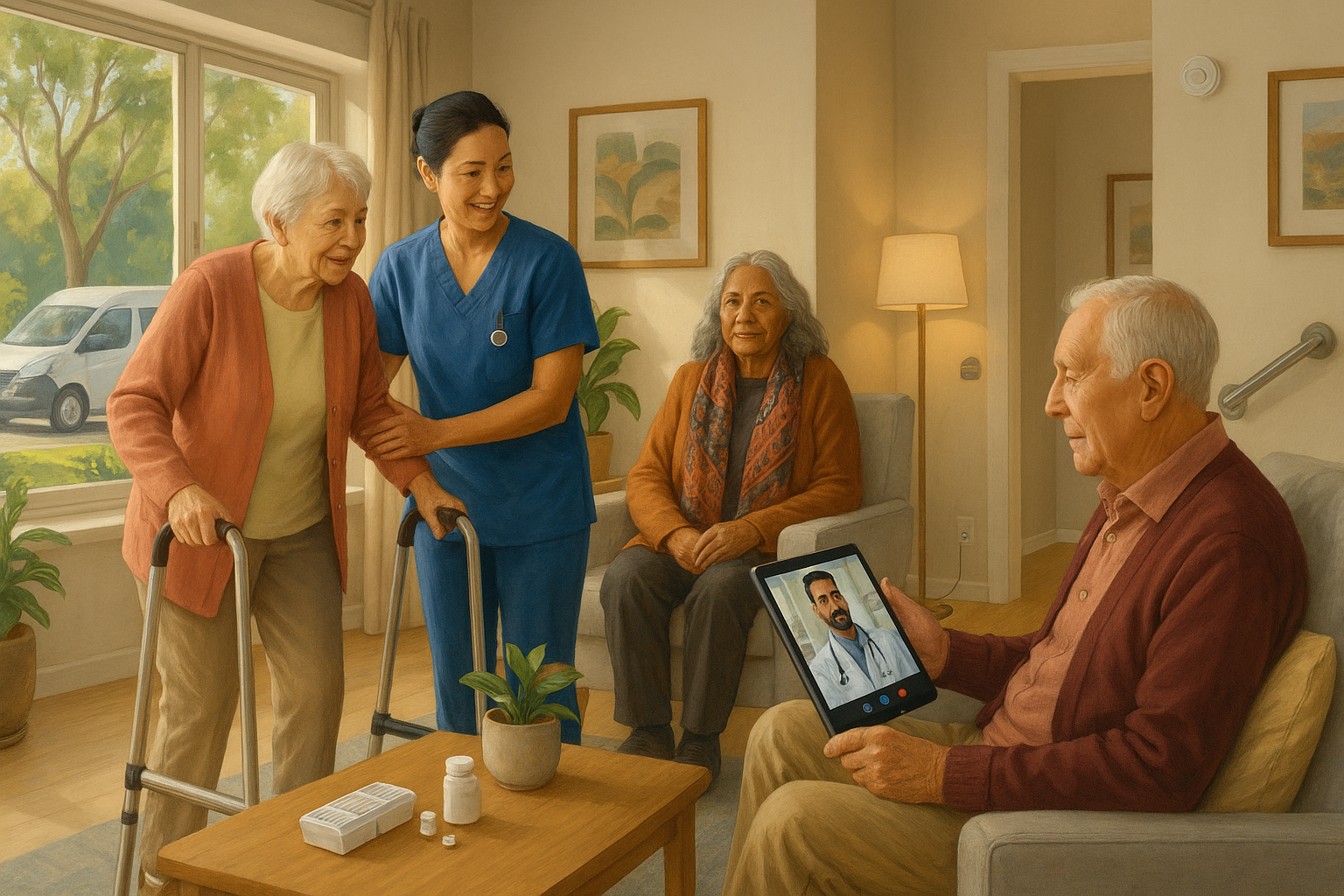
While telemedicine offers significant benefits, there are also challenges that need to be addressed. Some rural areas still lack reliable internet connectivity, which can limit the effectiveness of telemedicine. Additionally, digital literacy is a concern for some patients, particularly older adults who may not be familiar with the technology required to access telemedicine services. To ensure that telemedicine is accessible to all Australians, it is essential to invest in infrastructure, digital literacy programs, and ongoing training for healthcare professionals.
The future of telemedicine in Australia is bright, with continued advancements in technology and ongoing support from the government. As more Australians embrace digital health solutions, telemedicine is set to become an even more integral part of the healthcare system, providing convenient, accessible, and affordable healthcare for all.