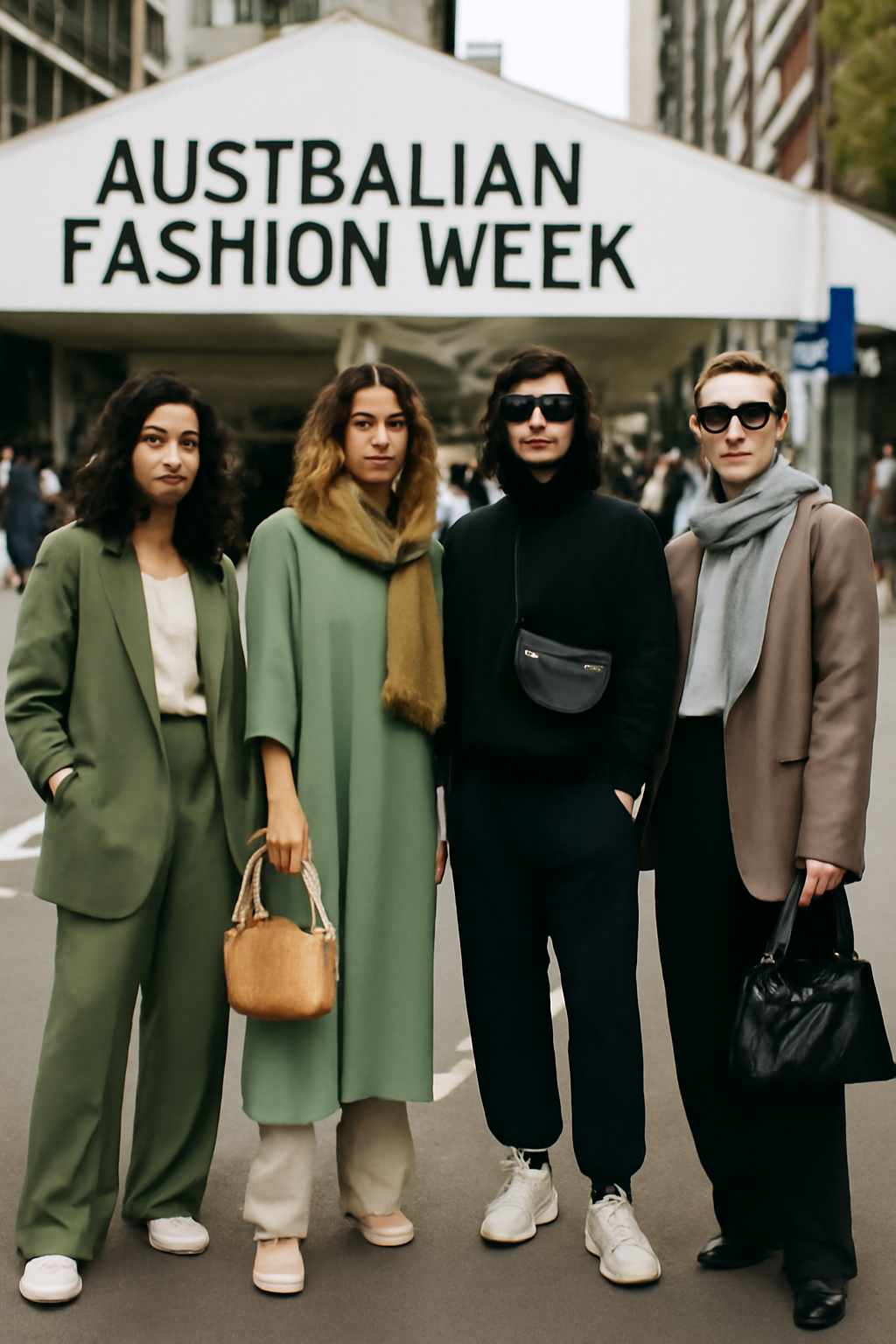
Strip away the hype cycle and Australian streetwear reveals a sturdy foundation built from pop culture and urban pragmatism. The cities here demand versatility: heat and glare, sudden showers, long commutes, and social calendars that move from outdoor courts to midnight sets. Clothing that can flex across these settings is rewarded with constant wear.
Pop culture provides the narrative glue. Global hip‑hop and K‑pop aesthetics supply silhouettes and color palettes; anime and gaming iconography influence graphics; streaming series seed micro‑trends that show up in thrift racks weeks later. Local artists, filmmakers, and athletes filter these inputs, transforming them into references that feel at home on Australian streets.
The sneaker scene continues to organize the field. Enthusiasts track release news, queue for raffles, and trade pairs with forensic attention to condition. Retro runners resonate thanks to comfort and climate; basketball signatures hold prestige; skate shoes retain authenticity. Restoration and customization embed craft into the culture, keeping shoes in circulation and anchoring an ethic of care.
Labels that matter pay attention to materials and proportion. Organic cotton jerseys with heft, mesh lined shorts, ripstop shells with venting, and trousers cut generous through the thigh reflect a lifestyle in motion. Graphics draw from transit maps, native flora, club flyers, and archival sport. Ethical production is increasingly non‑negotiable—consumers scrutinize supplier lists, dye processes, and packaging footprints.
Community is the multiplier. Pop‑up markets combine food, music, and clothing; brand launches double as listening parties; consignment stores run workshops on screen printing and pattern cutting. The culture teaches itself, reducing barriers to entry while maintaining standards around fit and quality. Photography studios and stylists translate these standards into shareable images that travel globally.
First Nations collaboration is reshaping what counts as authentic. When done right—with consent, royalties, and storytelling centered—these partnerships expand pattern languages and color logic while reminding wearers that style can be place‑specific and respectful. This movement pairs naturally with upcycling and slow‑drop calendars that value longevity over churn.
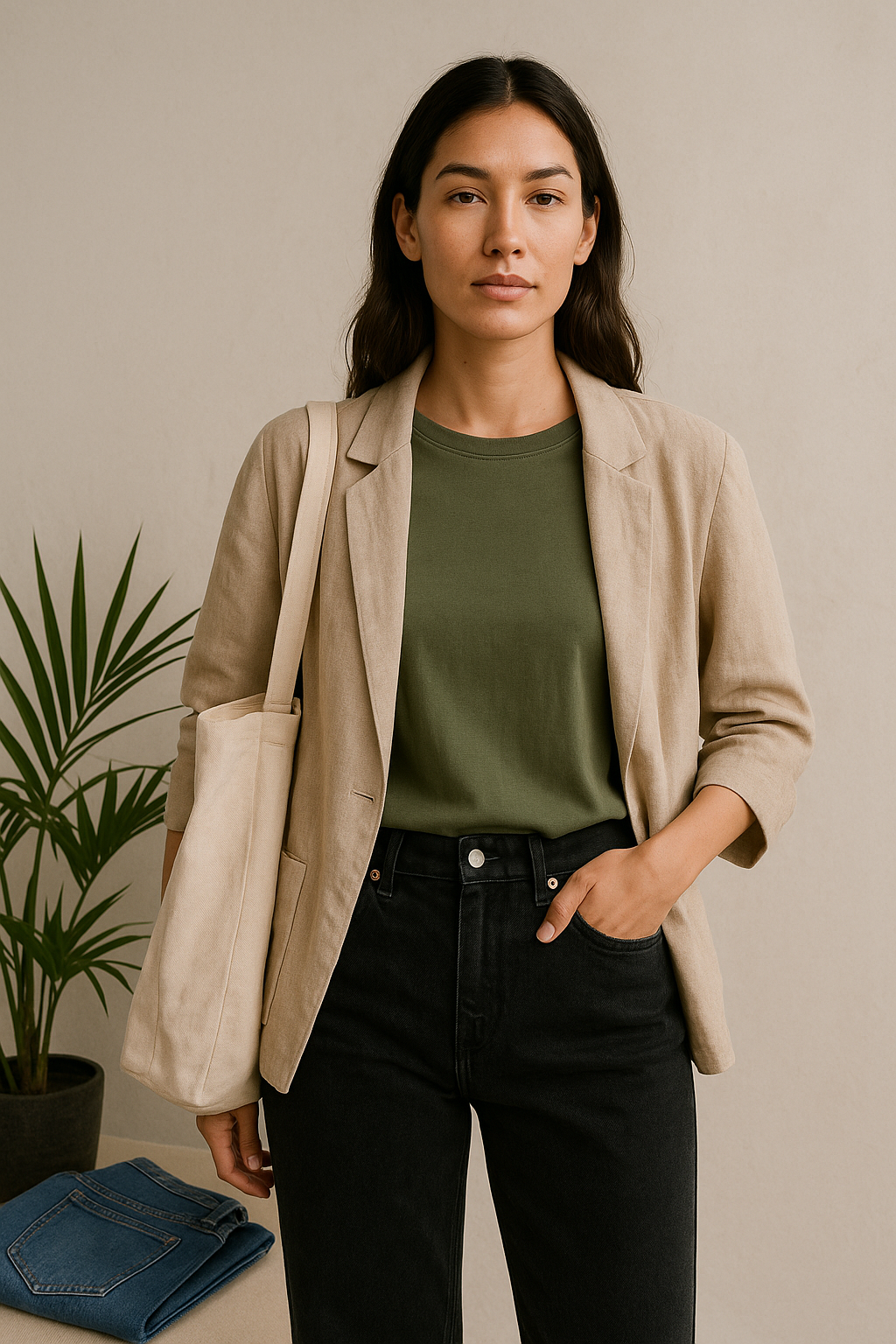
Australian streetwear is also defined by restraint. Rather than chasing maximal logos, many fits privilege texture, layering, and silhouette: a soft tee under a cropped overshirt, wide cargos pooled over clean trainers, a cap with local embroidery. Accessories—sling bags, chain wallets, beadwork, sunglasses with warm tints—fine‑tune identity without sacrificing utility.
Taken together, the scene feels confident and grounded. It engages the global conversation but speaks with its own accent—half beach, half basement show, part train platform, part gallery opening. Pop culture may set the plot points, yet the city edits the script, producing a style that is wearable, durable, and unmistakably tied to Australian life.