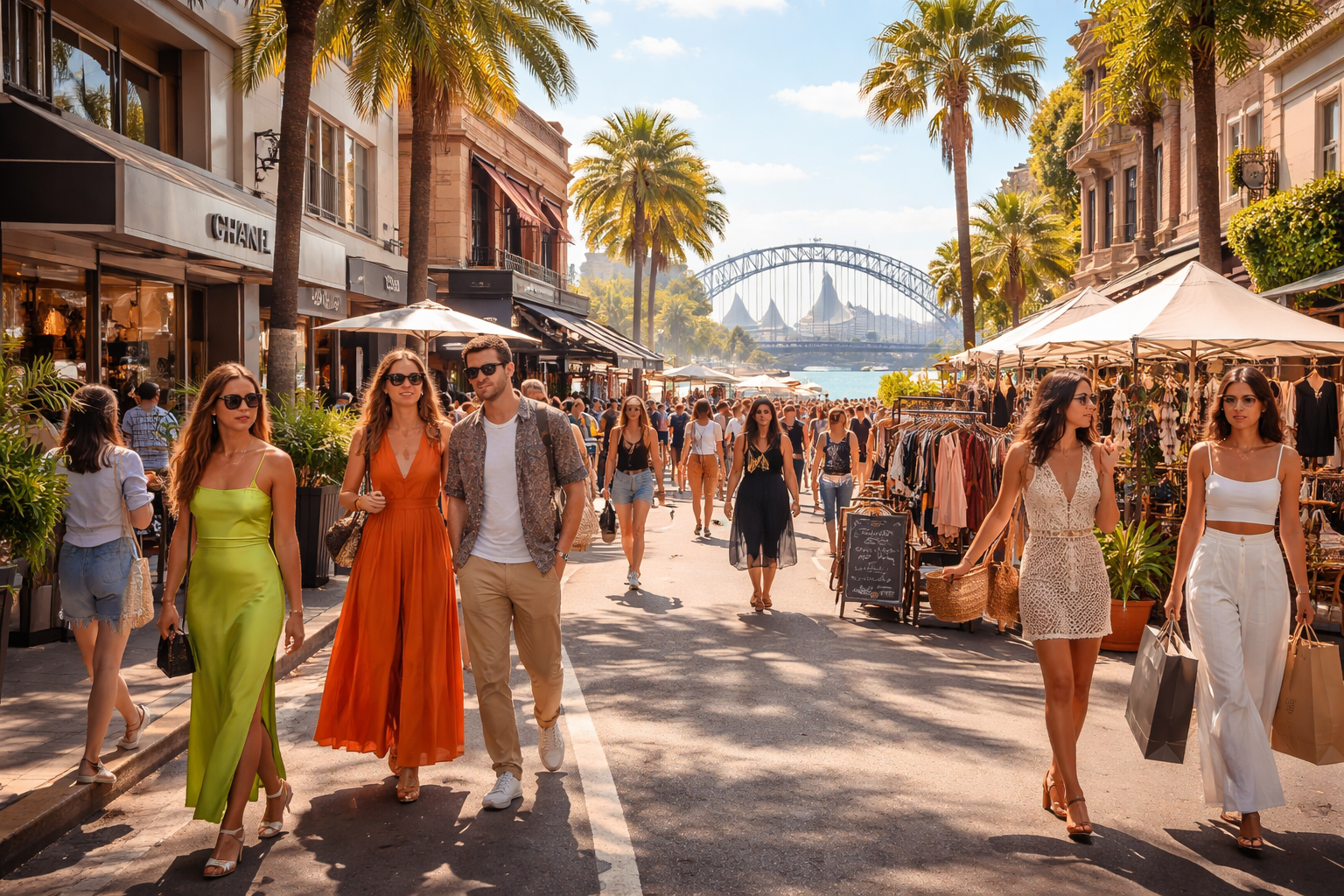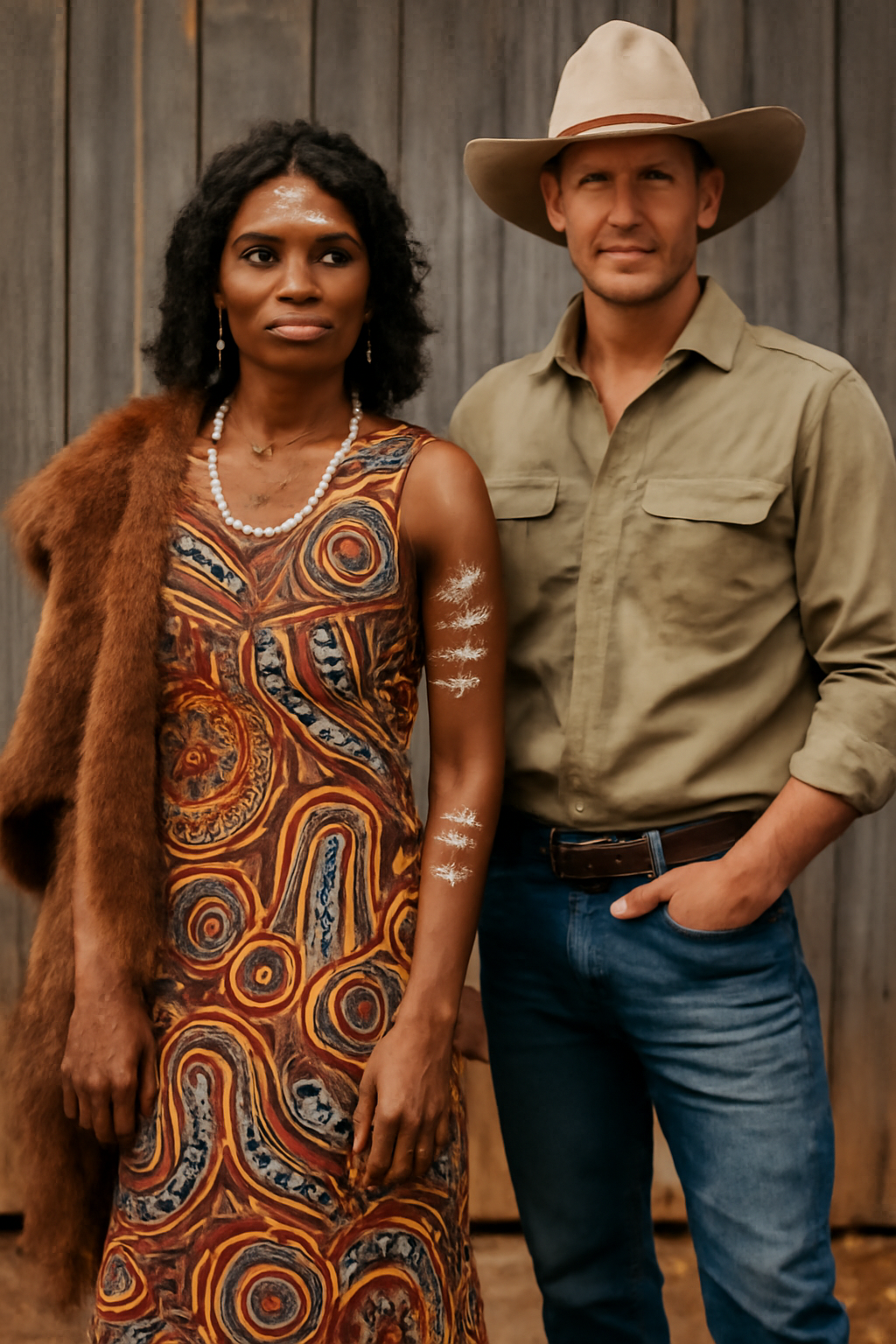
Australia’s fashion scene today is a dynamic fusion of old and new, with traditional clothing practices informing contemporary style. The evolution of Australian fashion can be traced through the cultural and historical shifts that have shaped the country. From the Indigenous clothing traditions of Aboriginal and Torres Strait Islander peoples to the impact of European settlers, the clothing worn in Australia tells a story of cultural exchange and adaptation.
Indigenous Clothing Practices
For Indigenous Australians, clothing was an integral part of cultural expression, with garments and body adornments serving both practical and spiritual purposes. In warmer regions, minimal clothing was worn, with body painting, beadwork, and the use of shells or feathers playing significant roles in ceremonial life. In cooler climates, animal furs were used to craft more substantial garments, ensuring warmth and protection.
The clothing traditions of Indigenous Australians were intricately tied to the environment, with materials sourced from the land. The skills required to create clothing and adornments were passed down through generations, ensuring the survival of cultural knowledge.
European Influence and the Development of Australian Fashion
When European settlers arrived in Australia, their clothing habits began to replace traditional Indigenous attire. However, settlers quickly realized that European clothing was not suited to the Australian climate. Over time, Australian fashion adapted, and garments designed for the bush, such as wide-brimmed hats, long sleeves, and durable boots, became essential for daily life.
This practical approach to clothing became symbolic of Australia’s connection to the Outback, and the rural worker, or “bushman,” became an iconic figure in Australian fashion.
Indigenous Designs in Modern Australian Fashion
In recent years, there has been a resurgence of interest in Indigenous Australian art and fashion. Contemporary designers are incorporating traditional motifs, patterns, and materials into their collections. This movement celebrates Australia’s diverse cultural heritage while ensuring that Indigenous designs remain visible in the global fashion landscape.
Designers such as Megan Cope and Linda Blackiston are leading the charge, incorporating traditional Indigenous art into modern fashion collections. This trend has been boosted by national events like NAIDOC Week, where Indigenous fashion is celebrated and showcased in fashion shows.
Sustainability and the Revival of Traditional Methods
With the increasing global focus on sustainability in fashion, many Australian designers are returning to traditional techniques, such as weaving, natural dyeing, and using locally sourced materials. This revival of Indigenous methods not only supports sustainable fashion practices but also fosters a deeper appreciation for the cultural significance of these techniques.
The integration of traditional Australian elements with contemporary design continues to shape the nation’s fashion landscape, offering a powerful example of how culture, heritage, and sustainability can work together.