Sustainability Is Now a Style Conversation
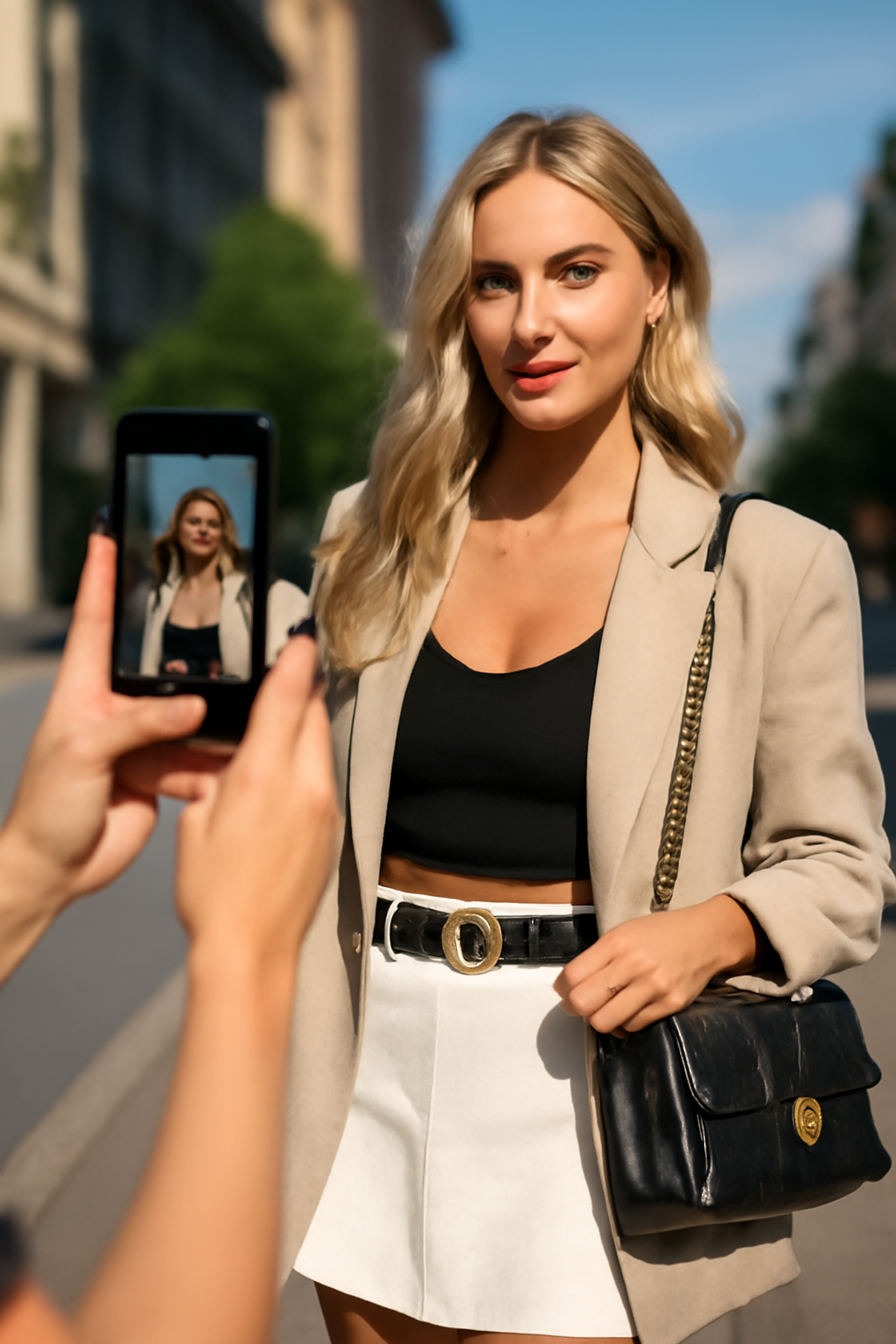
In Australia, fashion influencers are playing a major role in turning sustainability from a niche concern into a mainstream style conversation. Heading into 2026, audiences are not only asking whether an outfit looks good. They want to know who made it, what it is made from, how long it will last, and whether the brand’s environmental claims are believable.
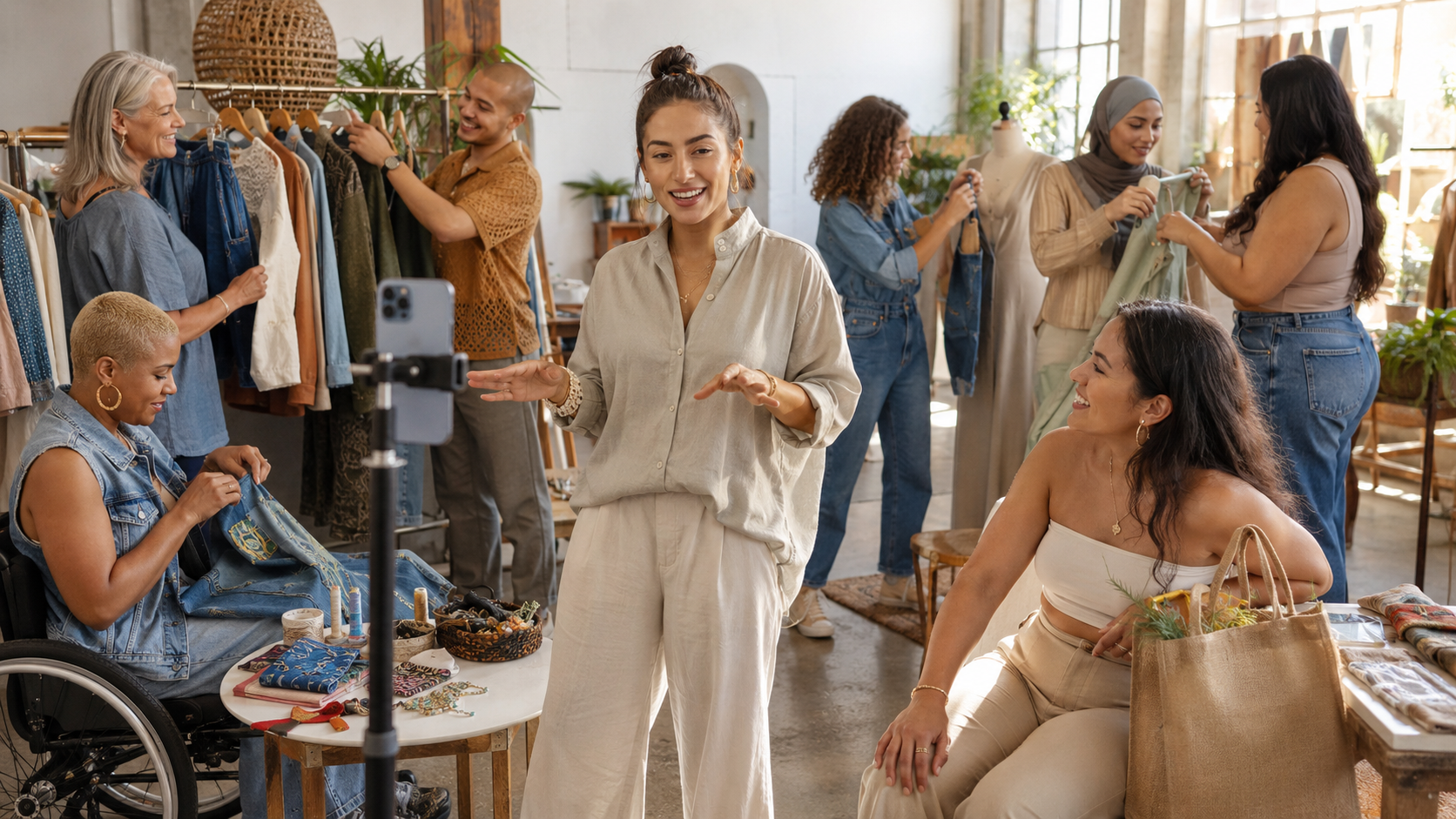
This shift is changing how fashion content is produced. Instead of simple “new-in” hauls, more Australian creators are posting wardrobe rewears, repair tips, thrift edits, rental styling, and cost-per-wear breakdowns.
Influencers as Watchdogs for Green Claims
The sustainability conversation has become more serious because consumers are increasingly aware of greenwashing. In Australia, the Australian Competition and Consumer Commission provides guidance on environmental and sustainability claims, reminding businesses that vague or misleading claims can create legal and reputational risk.
Fashion influencers sit at the center of this issue. When they promote “eco-friendly,” “conscious,” or “sustainable” products, audiences expect detail. Creators who ask brands about materials, supply chains, certifications, and garment care are building stronger authority than those who simply repeat marketing language.
Why Slow Fashion Content Performs Well
Slow fashion works particularly well on social platforms because it offers practical value. A creator showing how to style one Australian-made dress across work, dinner, and travel gives followers a reason to save the post. This type of content is highly compatible with Google Discover-style visibility because it is timely, useful, and visually engaging.
The most successful sustainable influencers in Australia are not presenting ethics as sacrifice. They are making it aspirational: fewer pieces, better quality, stronger personal style, and less trend fatigue.
Local Brands Benefit from Deeper Storytelling
Australian fashion labels with transparent production models can benefit from influencer storytelling. A short video showing natural fibers, local makers, limited production runs, or repair programs can communicate brand value more effectively than a discount campaign.
For independent labels, this is especially powerful. A creator explaining why a linen shirt costs more when produced responsibly can help consumers understand pricing, craftsmanship, and longevity.
The Reality Check: Audiences Still Want Style First
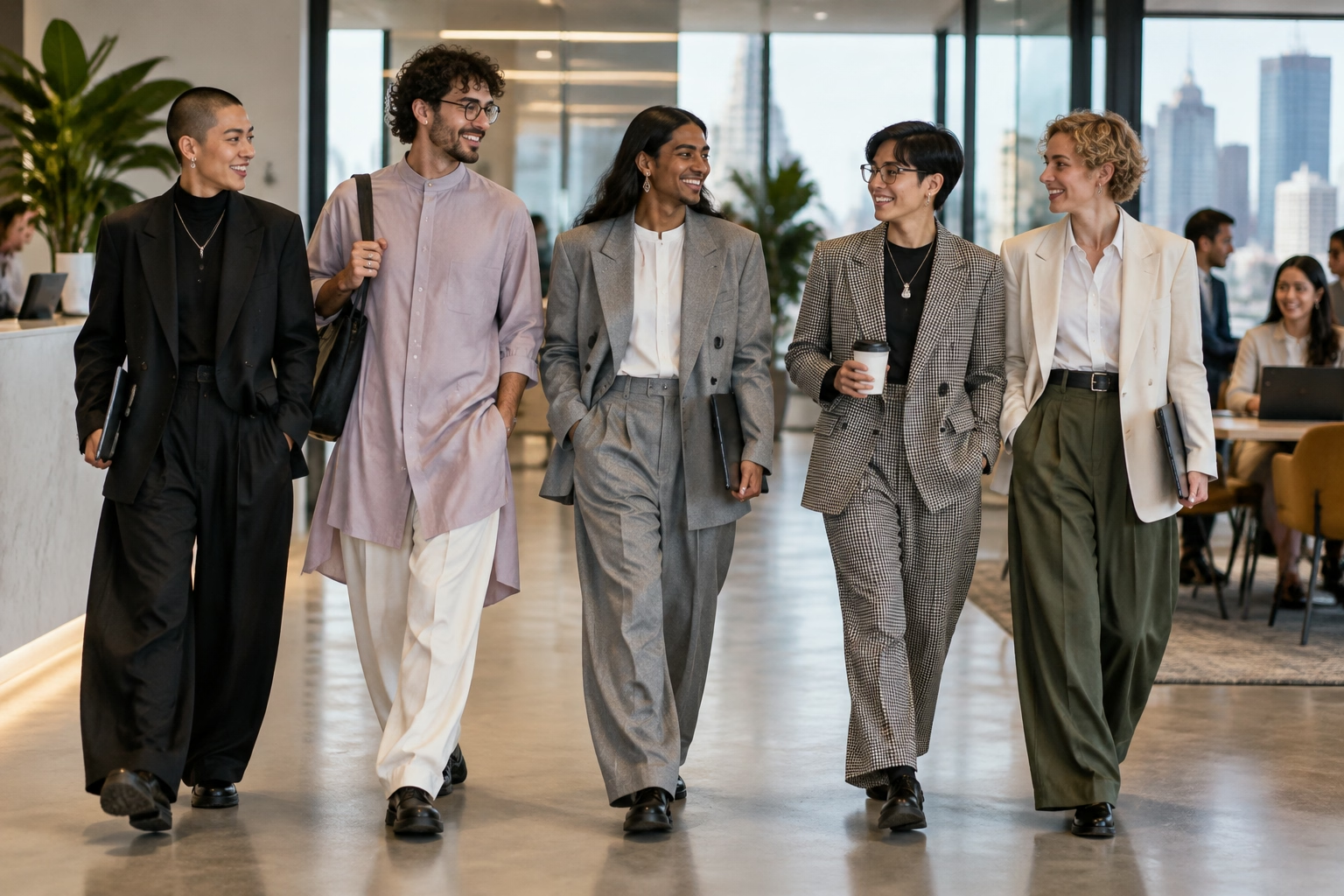
Sustainability alone is not enough. Australian consumers still want clothing that looks modern, fits well, and suits their lifestyle. Influencers are effective because they bridge the gap between values and aesthetics. They show that ethical fashion can be polished, coastal, urban, minimal, colorful, or experimental.
Trust Will Define 2026
In 2026, the strongest sustainable fashion influencers will be those who combine taste with transparency. Their impact will not come from perfect wardrobes, but from honest choices: repeating outfits, admitting mistakes, comparing claims, and highlighting brands that provide real information.