Fashion in Sydney Starts on the Street
To understand Sydney fashion in 2026, it is necessary to look beyond runway shows and shopping centres.
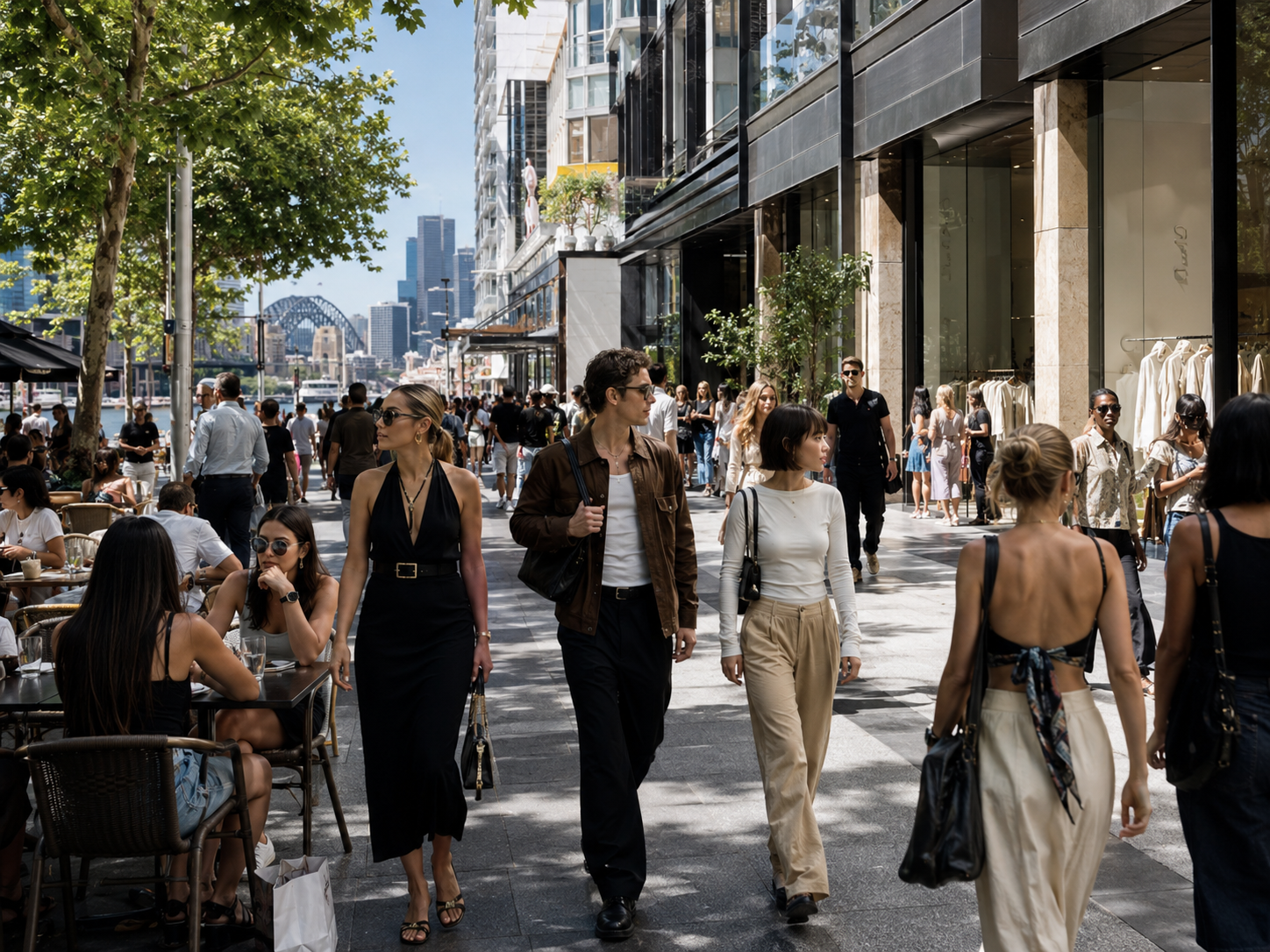
The city’s style is created daily in office towers, cafés, train stations, coastal suburbs, music venues and independent shopping streets. Sydney does not have one uniform dress code. Instead, the city brings together corporate tailoring, designer minimalism, resort influences, vintage fashion and streetwear.
That diversity is closely connected to Sydney’s geography. Each neighbourhood attracts a different community and creates a different relationship with clothing.
The City of Sydney’s official business and economy resources offer broader insight into the commercial environment in which retail, hospitality and creative businesses operate. The information is available through the City of Sydney business and economy portal.
The CBD Is Becoming a Lifestyle Destination
Sydney’s CBD remains the centre of premium retail, but its role is changing.
Traditional shopping is increasingly integrated with food, entertainment, wellness and cultural experiences. Consumers may visit the city for work, meet friends for dinner and shop during the same journey. Fashion businesses therefore compete for attention within a much broader urban experience.
For luxury labels, location and service remain important. However, physical stores increasingly need to offer something that cannot be replicated by scrolling through an online catalogue.
That may include personal styling, exclusive products, events or a strong architectural environment.
Paddington Represents Sydney’s Boutique Identity
Paddington continues to represent a more intimate model of fashion retail.
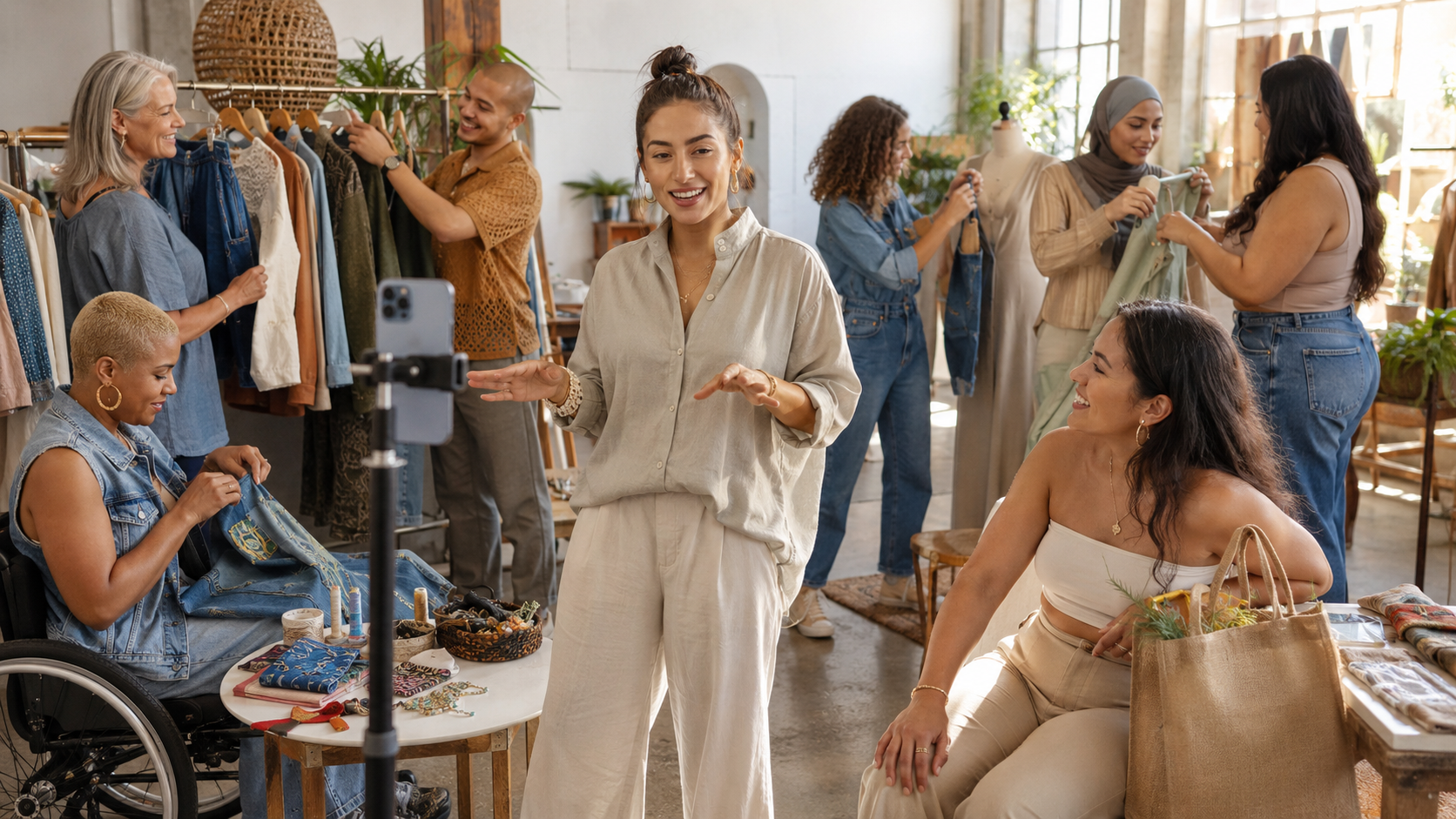
The appeal of the area comes from discovery. Smaller stores, local designers and carefully selected collections offer an alternative to large-scale commercial shopping.
This matters in 2026 because consumers have access to almost unlimited products online. A physical boutique must therefore provide more than inventory. It needs a point of view.
The strongest independent stores act as curators, helping shoppers understand why a garment, designer or material deserves attention.
Newtown and Surry Hills Turn Fashion Into Cultural Expression
Vintage, Streetwear and Individual Style
Newtown’s fashion identity is influenced by music, nightlife, vintage clothing and alternative culture. Surry Hills, meanwhile, combines creative businesses, contemporary design and a more polished version of inner-city style.
These areas show why Sydney cannot be described through luxury fashion alone.
Younger consumers often mix price points and sources. A second-hand jacket may be worn with premium footwear. An Australian designer piece can appear beside a vintage accessory or mainstream basic.
The objective is not necessarily to display one brand from head to toe. The priority is creating a personal look.
Sydney Consumers Are Becoming More Selective
Cost pressures and environmental awareness are changing the way many people evaluate fashion purchases.
Shoppers increasingly ask practical questions. How often will an item be worn? Can it be repaired? Is the fabric suitable for Sydney’s climate? Will the design remain relevant beyond one season?
This behaviour supports several parts of the market at once: premium basics, resale, rental, repair services and well-made independent labels.
Fashion businesses that explain materials, craftsmanship and product care can therefore create deeper relationships with consumers.
Why Sydney’s Fashion Future Is Local and Global at the Same Time
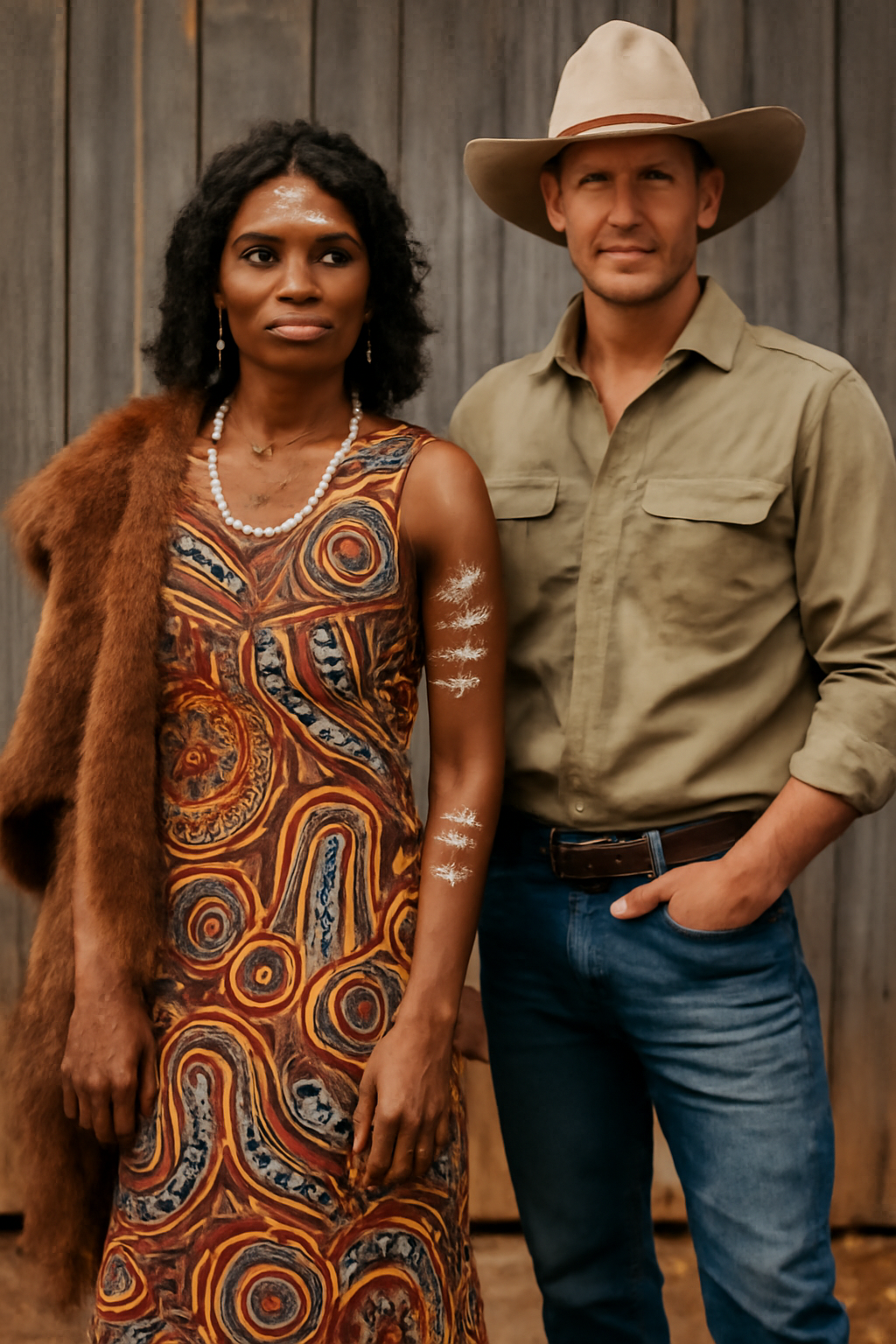
Sydney is internationally connected, but its fashion culture is strongest when it reflects local life.
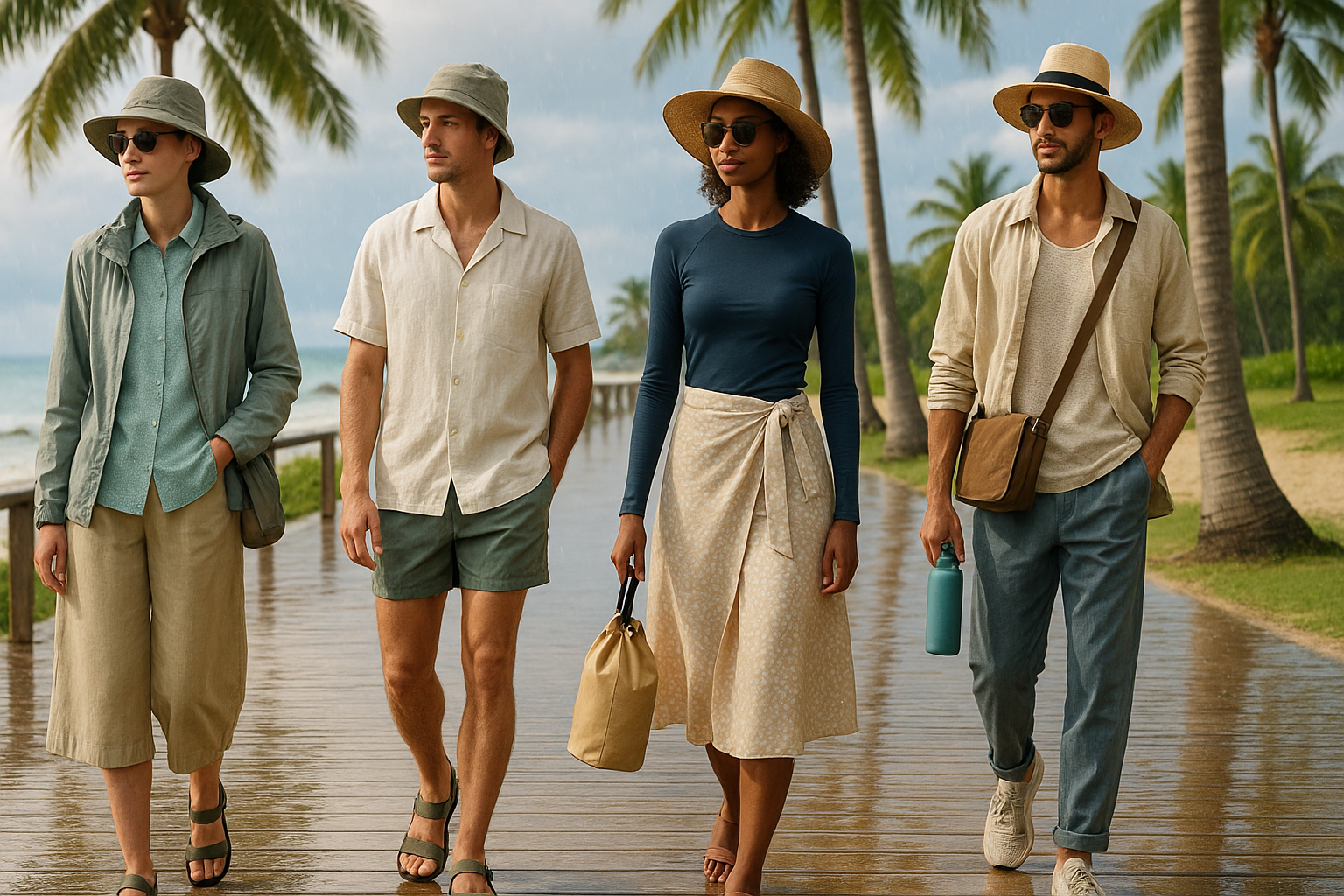
The city’s designers work in a market shaped by warm weather, travel, multicultural communities and a strong hospitality culture. These conditions encourage clothing that can move between professional, social and outdoor settings.
In 2026, Sydney’s competitive advantage is not a single trend. It is the ability to combine global fashion awareness with neighbourhood-level identity.
From luxury stores in the CBD to vintage discoveries in Newtown, the city offers multiple ways to participate in fashion. That flexibility is making Sydney not only a place to shop, but also a city where urban style is constantly created and reinterpreted.