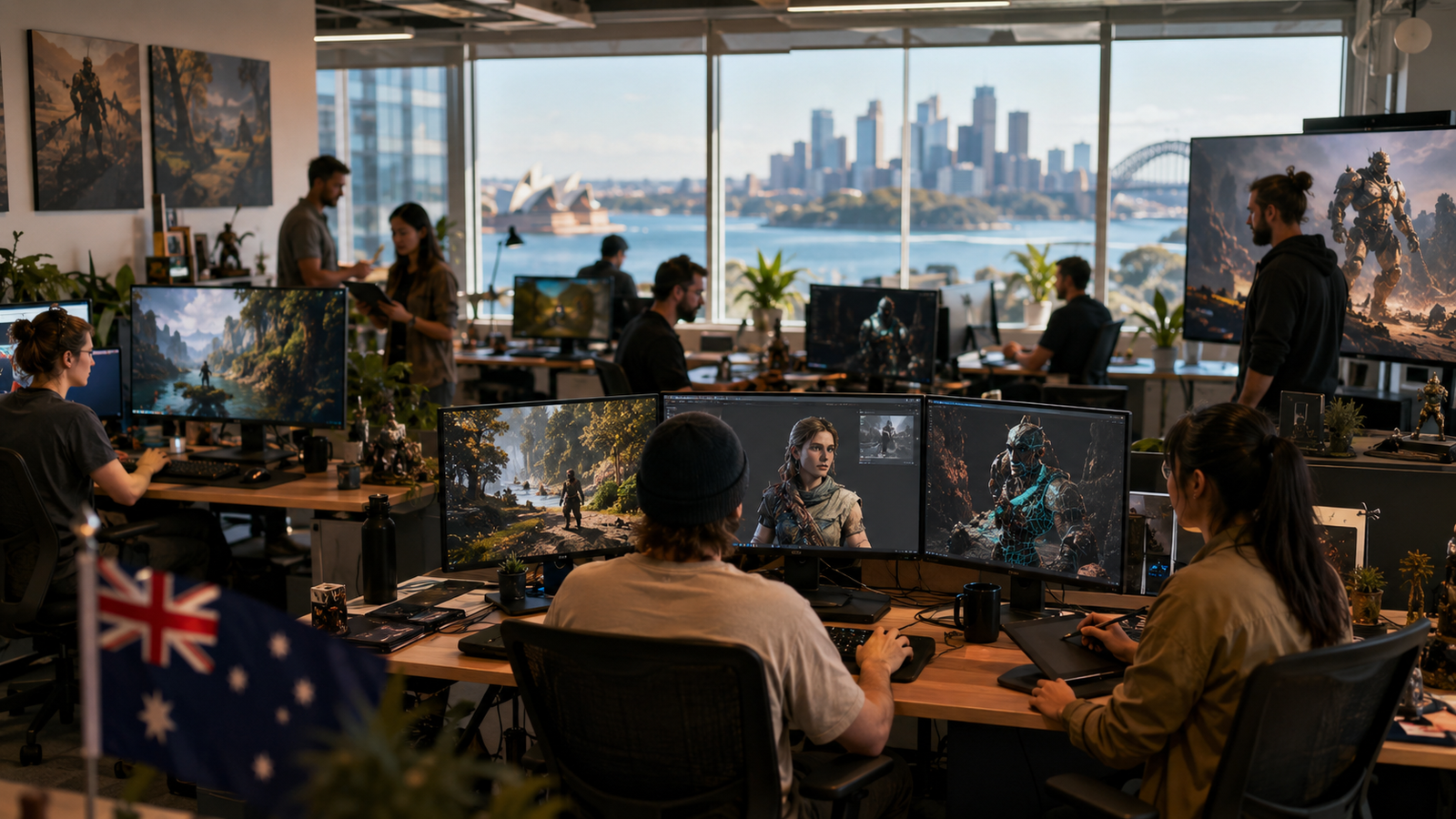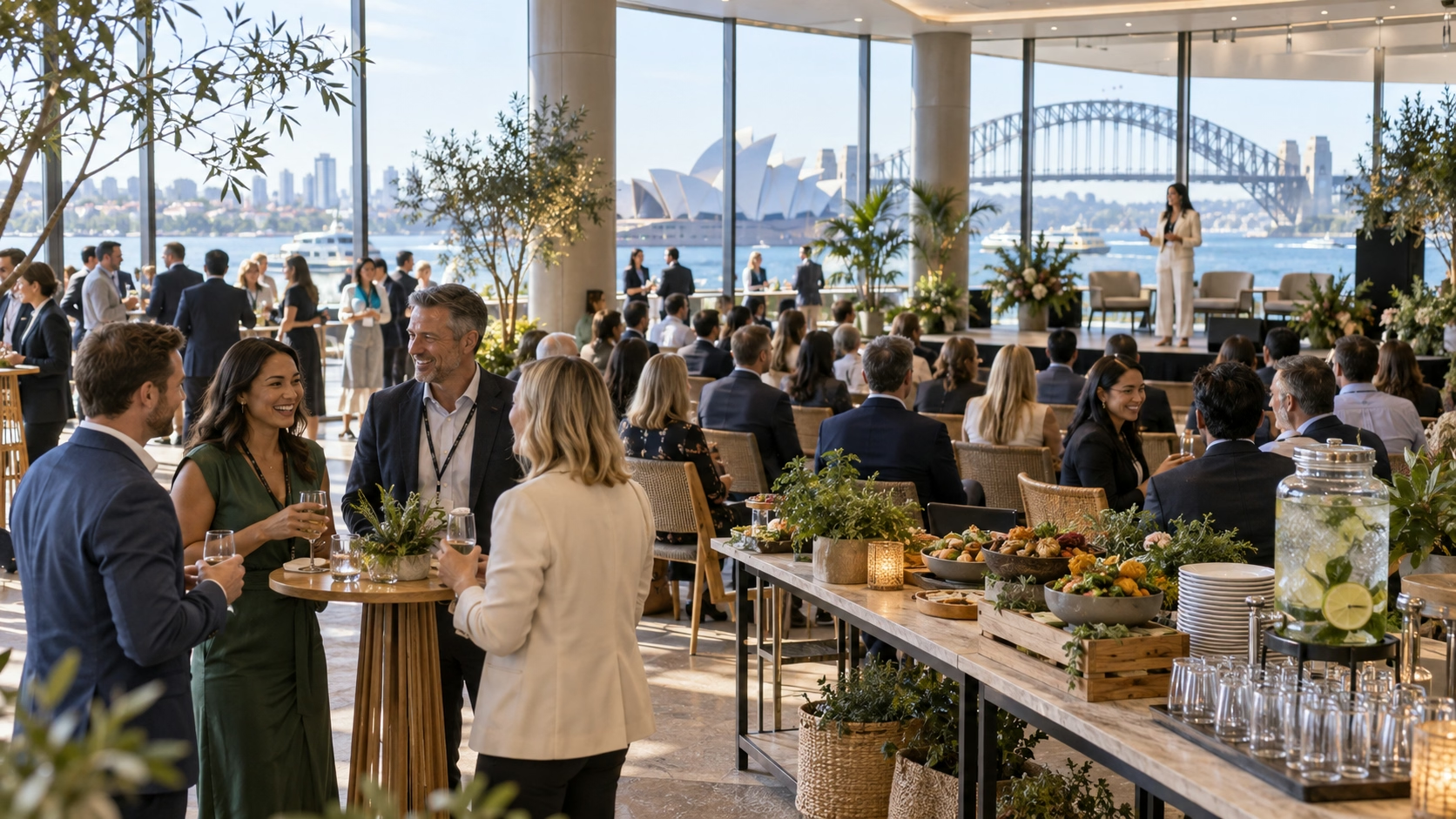
The Australian event industry is undergoing a fundamental structural shift. According to Saxton’s 2026 research, 36% of survey respondents predict that smaller, more targeted events will be the dominant growth format by 2030—the highest of any format. In Australia and New Zealand, more than half of planners now organize events with no more than 100 attendees.
This represents a departure from the pre-pandemic obsession with scale. The focus has shifted to impact, personalization, and measurable outcomes. Medium-sized events now dominate global allocation at 36.6%, and that preference for manageable formats is evident across ANZ, where organizations are looking for impact without operational strain.
Artificial intelligence has moved from experimental to essential. The Cvent Event Industry Report 2026 (https://www.cvent.com/en/event-industry-report) reveals that 78% of organizations already use AI to plan, design, manage, and/or market events, with 87% planning to increase their AI budget in 2026.
More than three-quarters of organizations use AI most commonly to streamline logistics, shape content, power reporting, and enhance attendee experience. 66% believe there is no event-management problem AI cannot solve.
Yet barriers remain. Non-users cite security concerns, perceived complexity, lack of confidence, and cost as key obstacles. Industry experts emphasize that technology is an enabler, not a replacement, for the emotional energy and spontaneity of in-person experiences.
Australia’s domestic business events sector has more than $1 billion in estimated delegate spend already secured through to 2033. The Domestic Forward Calendar 2026 includes 806 events representing more than 3,000 event days and an estimated 451,551 delegates.
Together, these events are forecast to generate $1.041 billion in delegate spend**, comprising **$952.7 million from domestic delegates and a further $88.4 million from international delegates. The Health Care and Social Assistance sector is the largest industry represented, accounting for 37% of secured events.
ABEA Chief Executive Melissa Brown noted that financial packages influence event bids, accounting for 29% of wins where the reason for winning was reported. This insight is critical for convention bureaux and destinations competing for events.
The industry faces persistent challenges. Cost containment has become the primary factor influencing event strategies in ANZ, reflecting increased scrutiny of expenditure and a stronger focus on efficiency and ROI. Event data and information security ranks as the main management challenge, followed by competition from other events and making events more sustainable.
65% of event professionals still plan to increase their total number of events in 2026, but this is down from 81% in 2025, indicating a more measured, selective approach to growth.
The Australian event industry is not merely recovering—it is reinventing itself. The winners in this new landscape will be organizers who embrace AI as a tool, prioritize attendee experience over spectacle, and understand that the most impactful events are often the most intimate. With a $1 billion pipeline secured through 2033, the foundations are solid. The challenge now is execution.