Australia’s Strength Is Creative Identity, Not Only Technology
The story of Australia’s video game industry in 2026 is increasingly a story about cultural influence.
For years, discussions about gaming focused heavily on hardware, software sales and technical development. Today, games sit at the intersection of storytelling, social interaction, music, design and online entertainment.
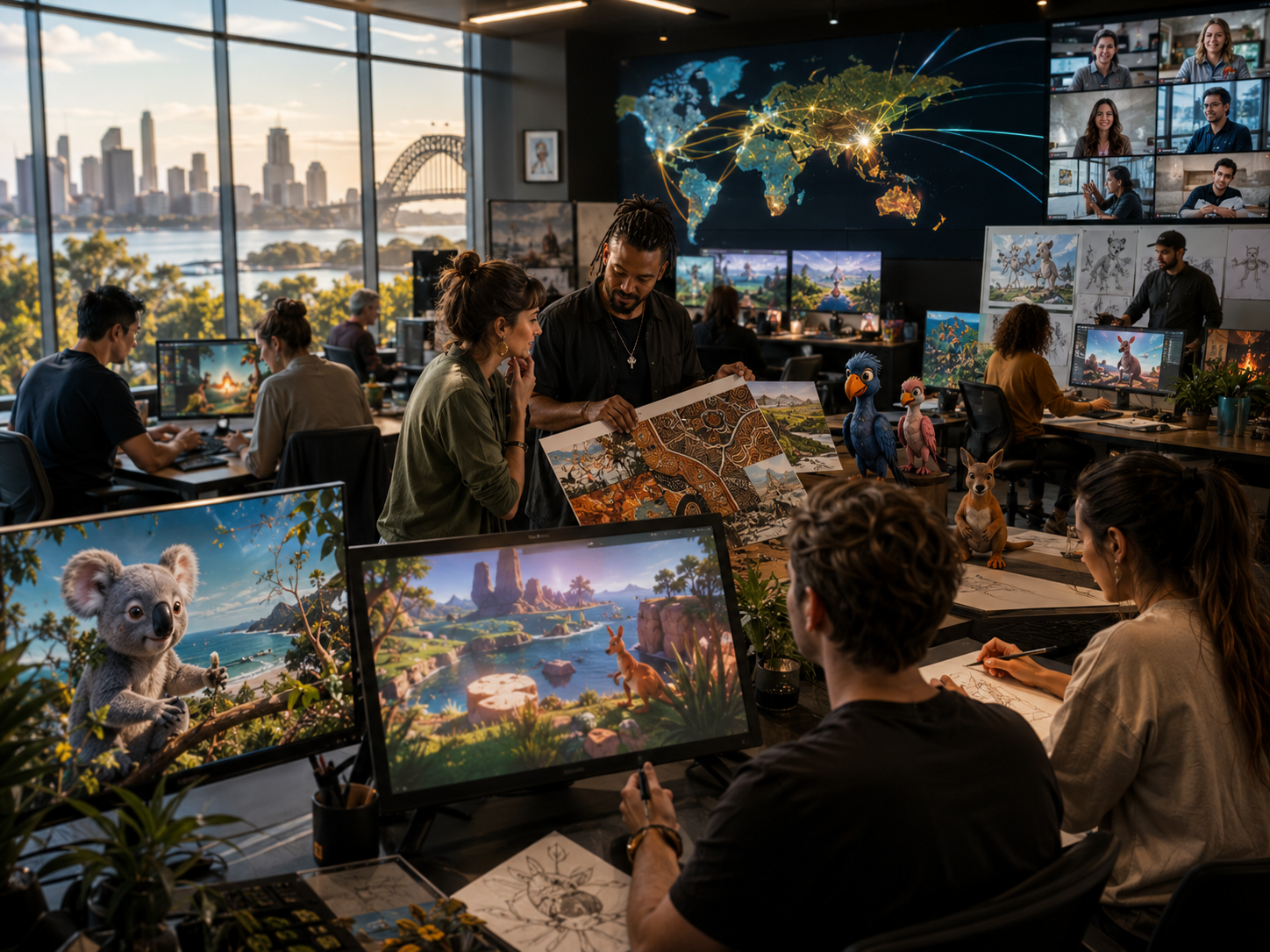
Australia has become especially interesting because its most visible successes have often come from studios with distinctive creative identities rather than enormous production budgets.
Unpacking, developed by Brisbane-based Witch Beam, transformed the simple act of removing objects from boxes into an emotional narrative. Cult of the Lamb, from Melbourne developer Massive Monster, built a global following through its unusual combination of dark humour, colourful art and management gameplay.
These games show why originality is economically important. In a global marketplace containing thousands of new releases, a memorable idea can be more valuable than sheer production scale.
A Large Domestic Audience Supports the Industry
Australia is not only a development location. It is also a highly engaged gaming market.
The Australia Plays 2023 study from the Interactive Games & Entertainment Association and Bond University reported that 81 percent of Australians played video games. It also challenged outdated assumptions that gaming was mainly a hobby for teenage boys, highlighting a broad audience across ages and genders.
Official study information:
Although those figures predate 2026, they provide important context for understanding the industry’s direction. A society in which gaming is already mainstream creates opportunities for developers, publishers, live events, content creators and brands.
The Meaning of “Entertainment” Is Expanding
Games Are Becoming Social and Cultural Spaces
A major change affecting the Australian market is the way audiences use games.
Many players do not simply complete a game and move on. They watch streams, follow developers, share clips, create modifications, buy merchandise and participate in online communities.
This means the commercial life of a game can extend far beyond the original product.
For Australian studios, community management is therefore becoming part of entertainment production. A successful launch can lead to years of updates and audience participation.
The same trend affects other media companies. Film and television producers increasingly compete against interactive worlds that can hold audience attention for hundreds of hours.
Australian IP Can Travel Across Media
The next major opportunity is the development of entertainment properties that exist beyond a single format.
A distinctive Australian game may eventually support animation, publishing, merchandise or screen adaptation. Even when an adaptation does not happen, games already influence visual design, music and online culture.
This creates an important shift in business strategy. Studios that own original intellectual property may build long-term value rather than depending only on contracts from larger international companies.
However, this approach carries risk. Original games are difficult to finance, and success is never guaranteed. Discoverability is especially challenging as digital marketplaces become more crowded.
The Industry Must Balance Creativity With Sustainability
Australia’s gaming sector enters 2026 with genuine strengths: recognised studios, a large player base, government support and strong links to Asia-Pacific markets.
Yet creative success alone does not guarantee a stable industry.
Studios must control production costs, reach international audiences and maintain teams between projects. Developers also need experienced managers who understand both creative production and global publishing.
The most promising Australian companies are likely to be those that combine a clear artistic identity with disciplined business planning.
The broader impact on entertainment is already visible. Video games are changing how stories are told, how communities form around creative work and how Australian ideas reach international audiences.
In 2026, the country’s most valuable advantage may not be its ability to imitate the world’s biggest games. It may be its ability to create experiences that international audiences have not seen before.