The Business Case for Being Found
For Australia’s independent producers, the discoverability crisis is not an abstract policy debate. It is a commercial threat. A production that cannot reach its domestic audience struggles to generate the audience data that platforms use to justify future commissions. A series that is buried in a catalogue does not build the cultural momentum that sustains a production company between projects.
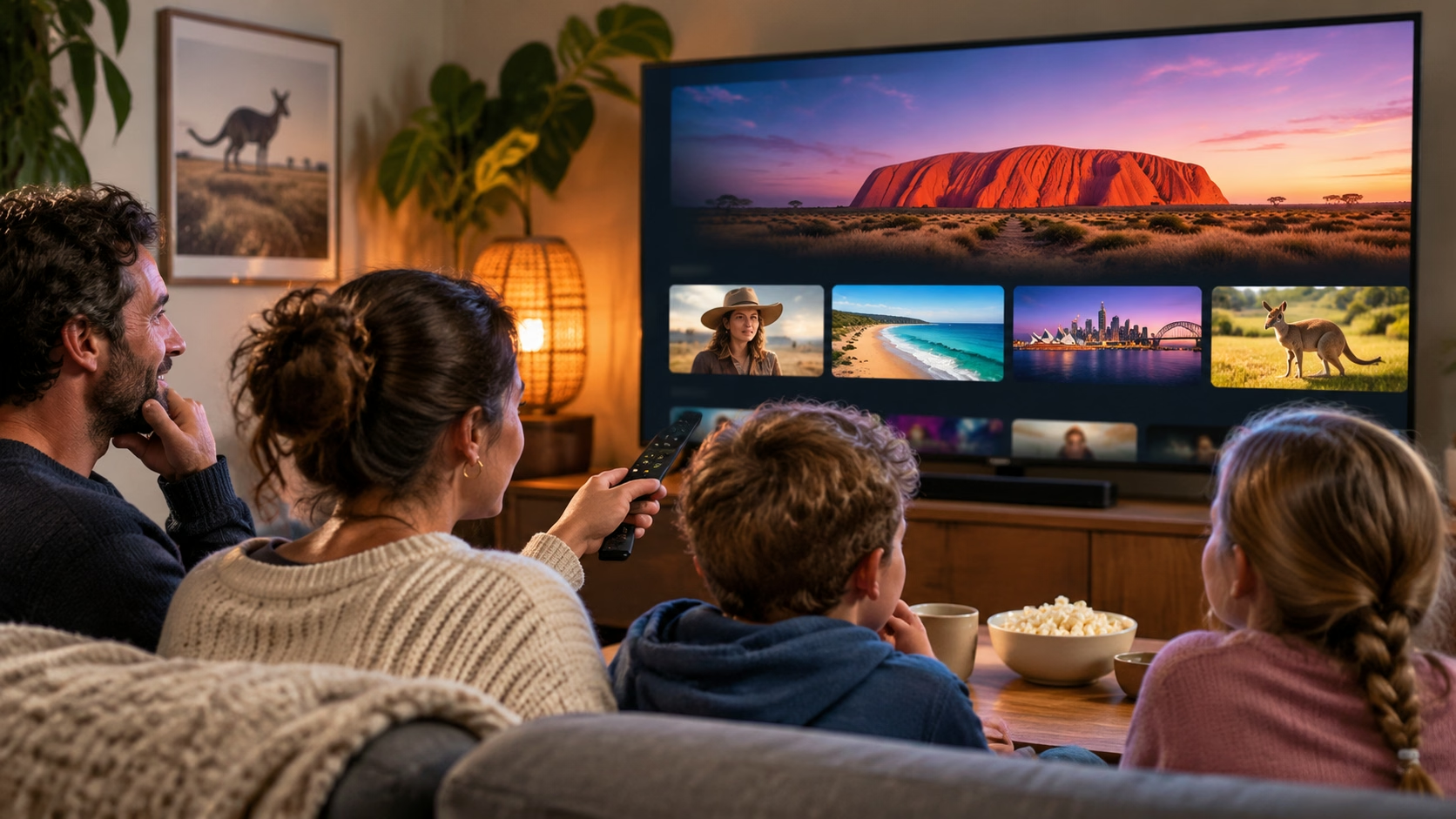
Screen Producers Australia (SPA) has been the most vocal industry body on this issue, arguing that the Screen Currency 2026 findings “should concern anyone who cares about the future of Australian stories”. The data supports that warning: 84% of Australians value local content, but only 36% find it easy to locate, and 60% spend less than 30% of their viewing time on it.
The Availability–Visibility Distinction
SPA CEO Matthew Deaner has repeatedly drawn a distinction that goes to the heart of the industry’s economics: “Making Australian content available somewhere within a streaming catalogue is not the same as making it visible to Australian audiences”. For producers, this is not a semantic difference. It is the difference between a title that generates downstream value and one that disappears into the void.
Deaner has called for prominence, discoverability and meaningful promotion to be part of the policy conversation around local content. The argument is that a platform which benefits from Australian subscribers and Australian content investment has a corresponding obligation to surface that content in ways that give it a genuine chance of being watched.
The Three-Year Aggregation Risk
The new streaming obligations allow platforms to aggregate local content spending over a three-year acquittal period. SPA has identified this as a structural risk. “They can aggregate it over three years, so they could spend on one programme, three years worth of energy,” Deaner said. “That can be very destabilising for a sector”.
For independent producers, stability matters. Production businesses invest years in developing projects, assembling creative teams and securing financing. A feast-or-famine commissioning cycle makes it difficult to retain staff, maintain development slates and plan for the future. The aggregation mechanism, while providing flexibility to platforms, may inadvertently undermine the sustainability of the production sector it is meant to support.
Declining Commissioning and Genre Gaps
SPA has also pointed to declining commissioning opportunities, particularly in genres such as children’s content, following the removal of quotas on commercial networks. The Screen Currency 2026 report itself notes that Australia has lost almost half its children’s TV as drama increasingly disappears behind paywalls.
These genre-specific declines compound the discoverability problem. If Australian children’s content is not being produced at scale, it cannot be discovered by the audiences that need it. The cultural consequences—for language, identity and shared experience—are difficult to quantify but impossible to ignore.
Financing Structures and Intellectual Property
SPA has raised a further structural concern: financing and deal structures that limit producers’ ability to participate in the long-term value of their work. Deaner has argued that deals can provide an upfront production fee “without meaningful opportunities for producers to participate in the back end or future revenues generated when that content succeeds”.
This matters for discoverability because it affects the incentive to invest in audience-building. A producer who retains a stake in the long-term success of a title has a stronger commercial rationale to promote it, build audience relationships and invest in discoverability. A producer who is paid a fee and separated from downstream value has neither the resources nor the incentive to do so.
The Economic Contribution at Stake
The industry’s economic contribution is substantial. The screen and games sector generated more than A$11 billion** in gross value added to the Australian economy in 2023–24 and directly employed nearly **70,000 people** in 2024–25. Exports totalled **A$1.6 billion. These figures represent livelihoods, businesses and creative ecosystems that depend on a functioning domestic market.
SPA’s argument is that production volume alone—the headline metric that quotas target—is not a sufficient measure of industry health. A sustainable sector requires businesses that can build value over time, retain and exploit intellectual property, and reinvest returns from successful projects into new Australian content. Discoverability is central to that equation because without it, successful projects do not generate the returns that fund the next cycle.
The Policy Ask
SPA has framed its advocacy around the development of Australia’s next National Cultural Policy, arguing that the Screen Currency findings raise important questions for government and industry. The ask is not simply for more production funding, but for a policy architecture that connects production, prominence and long-term commercial sustainability.
Whether the government will extend regulation into the realm of discoverability remains an open question. But for the producers who carry the risk of bringing Australian stories to the screen, the message is clear: a story that cannot be found is a story that cannot sustain the industry that made it.