The Snack-Forward Protein Revolution
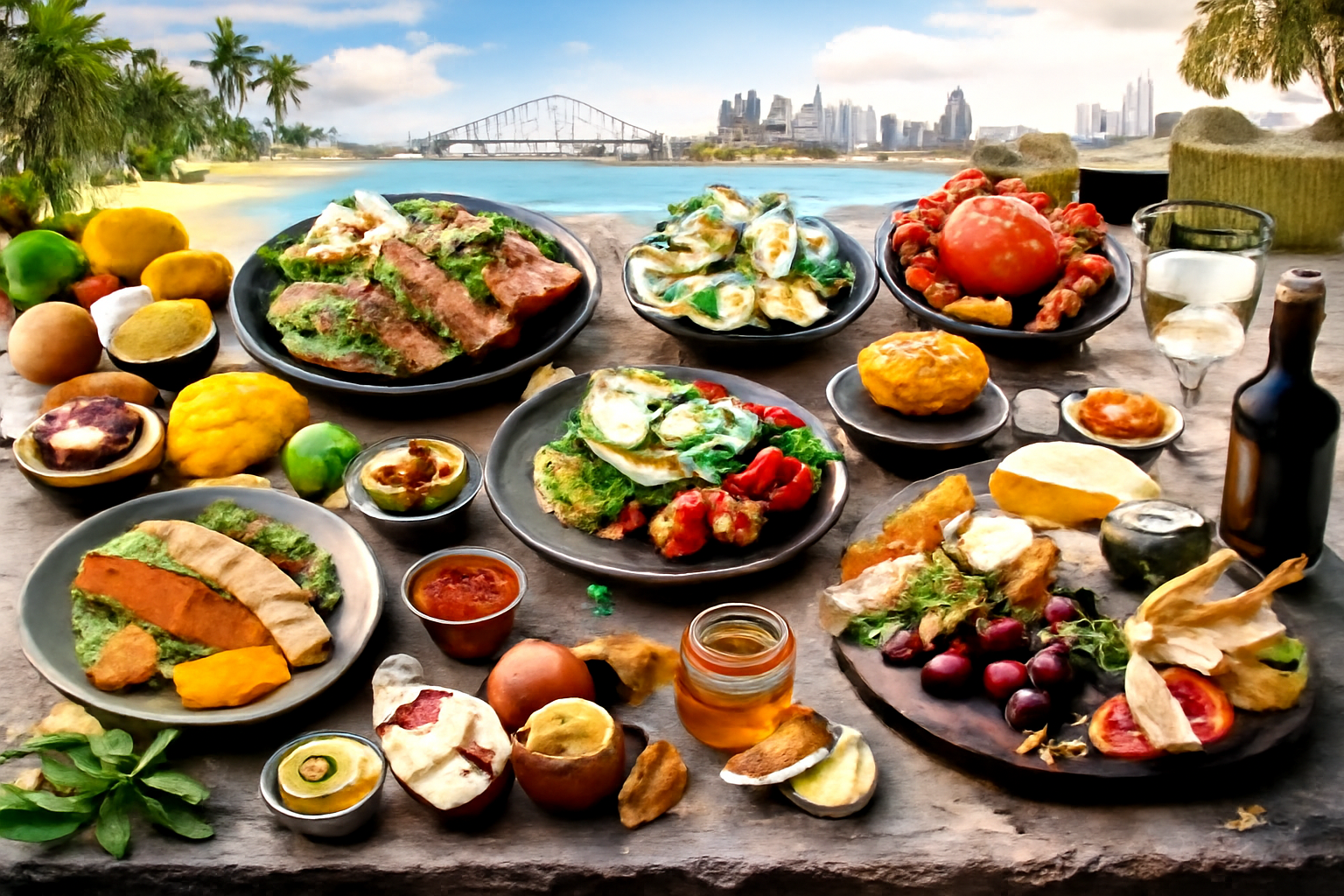
The most creative protein innovation in Australia is happening in the snack space. Meat & Livestock Australia’s 2026 Rare Medium trends report identifies “snack forward dining” as one of the six defining movements shaping red meat on menus. Chefs are rediscovering the art of the bite-sized protein format, using Australian beef and lamb to explore ancient traditions through a modern lens. “Stacks of snacks” becomes a creative playground—a chance to experiment with cuts, textures, and global influences in a format that is inherently shareable and socially photographable.
The SuperBun and the Protein Density Arms Race
At the premium end of the QSR spectrum, Grill’d has pushed protein density into headline territory. Its 2026 High Performance range features chicken burgers with up to 81 grams of protein—more than double a standard meat-and-cheese burger—by using two chicken breast pieces rather than one. The “Protein Pro” burger has been described as “record-breaking” and has sent fitness-focused consumers into a spin. Grill’d has simultaneously experimented with high-fibre SuperBuns, signalling that the protein-forward movement is beginning to integrate with other nutritional priorities, particularly gut health and fibre.
Red Meat’s Premium Repositioning
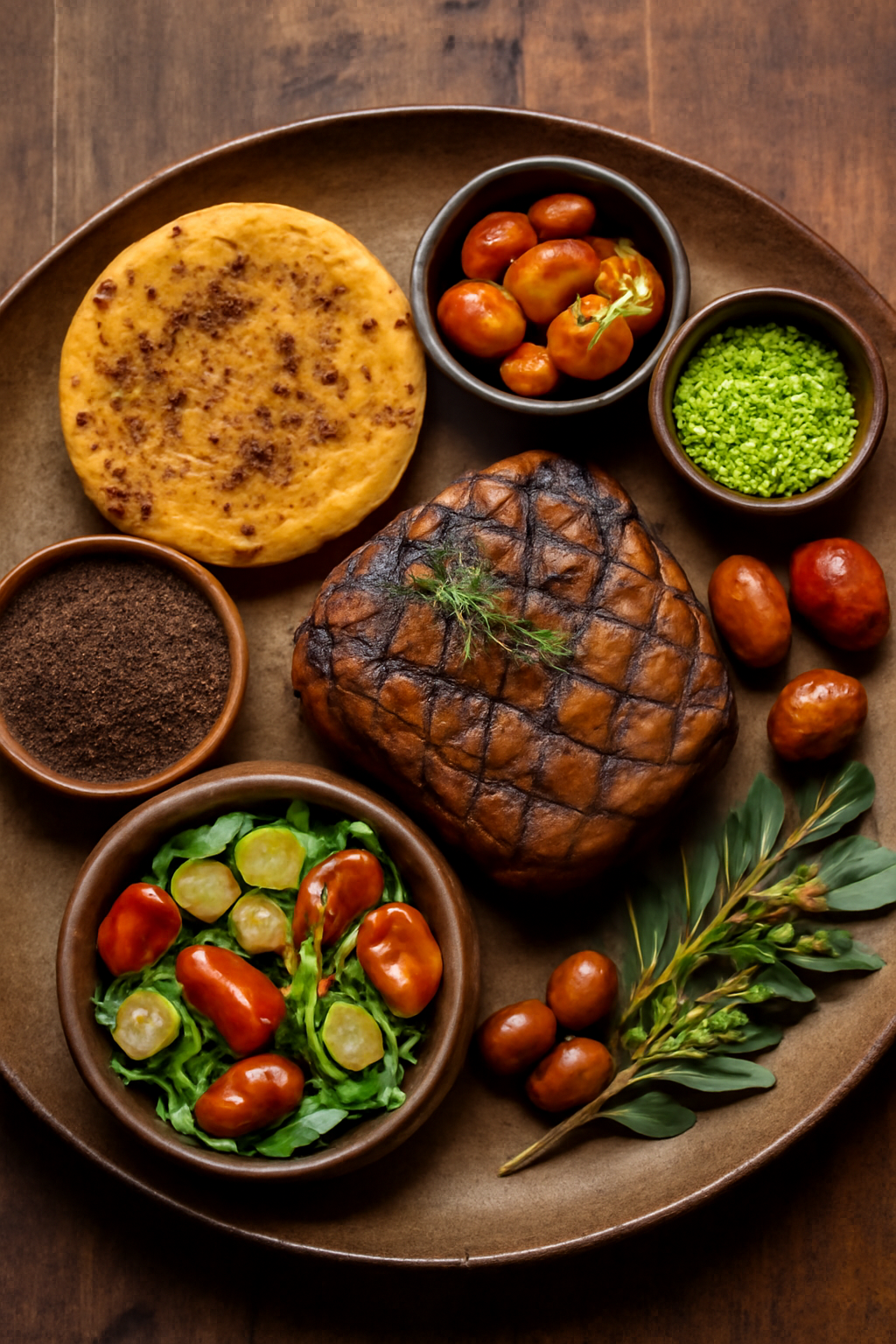
For beef and lamb, the protein trend is not about volume but about value. MLA’s Rare Medium report highlights a shift toward refined luxury cuts, slow craft, and globally inspired dishes. The high-emissions luxury of beef every day is being questioned, not from guilt but from creativity. Kangaroo lands in dining rooms as tartare with finger lime; lamb is stretched through broths and ragus rather than piled high; mycelium “steaks” offer a satisfying chew for the plant-curious. This is protein as a curated experience, not a commodity. The 2026 trends report explicitly notes that the “growing focus on high quality protein” is one of the broader forces shaping consumer behaviour, alongside cost-of-living pressures and sustainability expectations.
The Chef as the Ultimate Protein Translator
What unites these disparate expressions—the snack stack, the 81-gram burger, the kangaroo tartare—is the role of the chef as a translator of nutritional science into culinary desire. The Australian protein-forward movement is not being driven by dietitians or marketers alone; it is being driven by cooks who understand that a protein claim on a menu is only as powerful as the flavour experience that delivers it. As the market matures, the chefs who can make protein delicious, surprising, and culturally resonant will set the pace. The Australian menu in 2026 is not just higher in protein; it is more thoughtful, more inventive, and more chef-driven than ever before.