Australia’s approach to healthy food in 2026 is becoming more practical, diverse, and lifestyle-driven. Instead of following strict diet rules, many Australians are focusing on food habits that can be maintained in daily life. Healthy eating is now linked with energy, mental clarity, digestive comfort, environmental responsibility, and convenience. This has encouraged a new food culture where nutritious meals are expected to be enjoyable, accessible, and suitable for different personal goals.
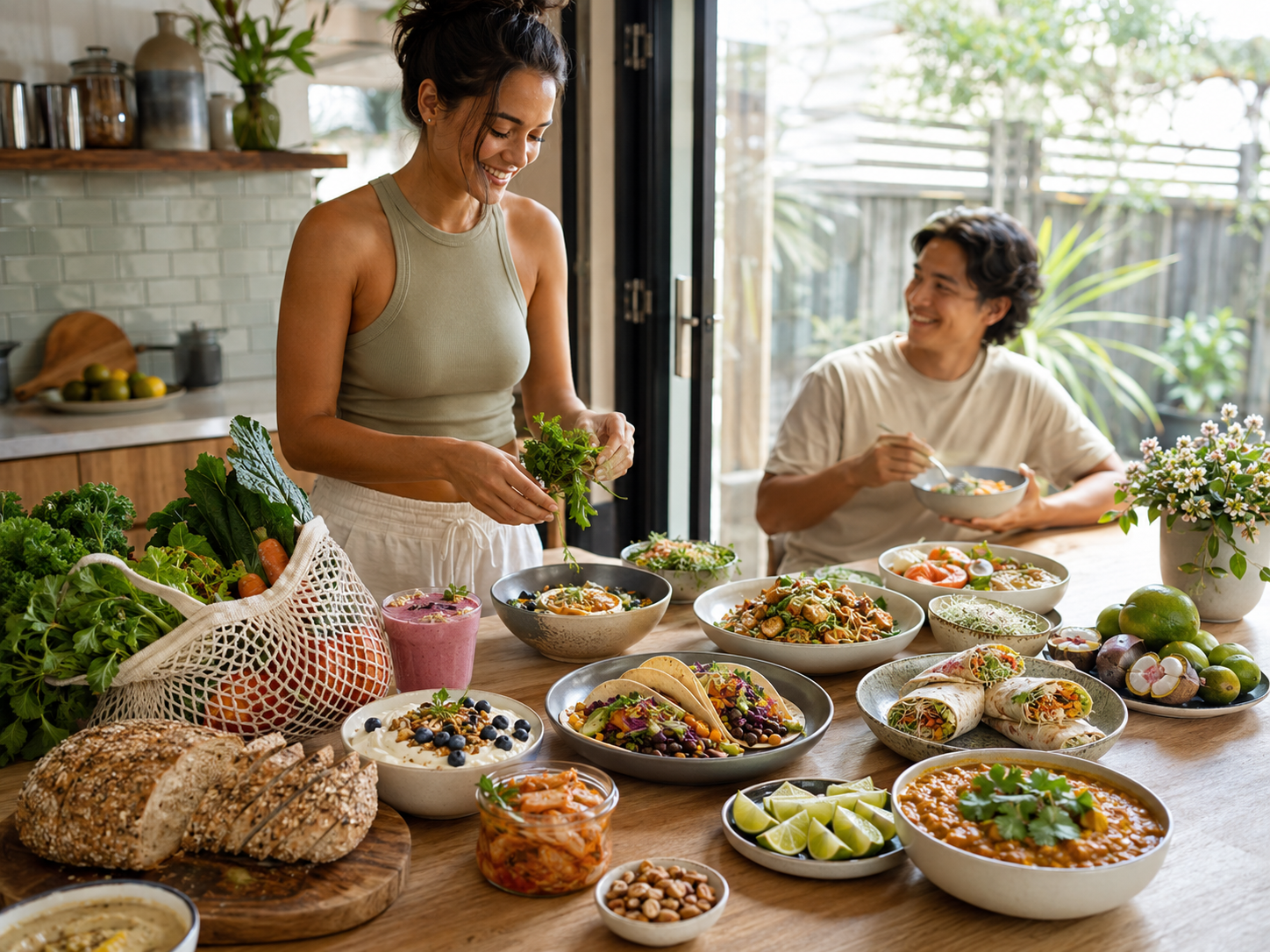
A key feature of this movement is the growing popularity of plant-centred meals. Many people are not removing meat entirely, but they are reducing how often they eat it. This flexible style, often called flexitarian eating, allows consumers to enjoy animal products occasionally while making vegetables, beans, whole grains, seeds, and nuts the main part of the diet. Meals such as roasted vegetable grain bowls, black bean tacos, tofu noodle dishes, hummus wraps, and lentil curries are becoming everyday options. This trend is attractive because it supports health, offers variety, and responds to concerns about climate impact.
Digestive wellness is also influencing Australian food choices. In 2026, gut-friendly eating is moving from a specialist health topic into mainstream life. Consumers are paying more attention to fibre, fermented foods, and balanced meals that support the microbiome. Foods such as kefir, natural yoghurt, kimchi, sauerkraut, sourdough, oats, legumes, apples, asparagus, and whole grains are becoming popular because they are associated with better digestion and overall wellbeing. At the same time, many people are becoming more careful with highly processed snacks, excessive sugar, and artificial additives that may affect energy and digestive comfort.
Protein continues to be a major priority, especially among people interested in fitness, healthy ageing, and weight control. However, the protein trend is becoming more balanced. Instead of focusing only on meat-heavy meals, Australians are exploring seafood, eggs, lean poultry, beans, peas, soy foods, Greek yoghurt, cottage cheese, and fortified plant-based products. Protein-enhanced breakfast foods, smoothies, and ready-made meals are also expanding, especially for consumers who want quick but nutritious options.
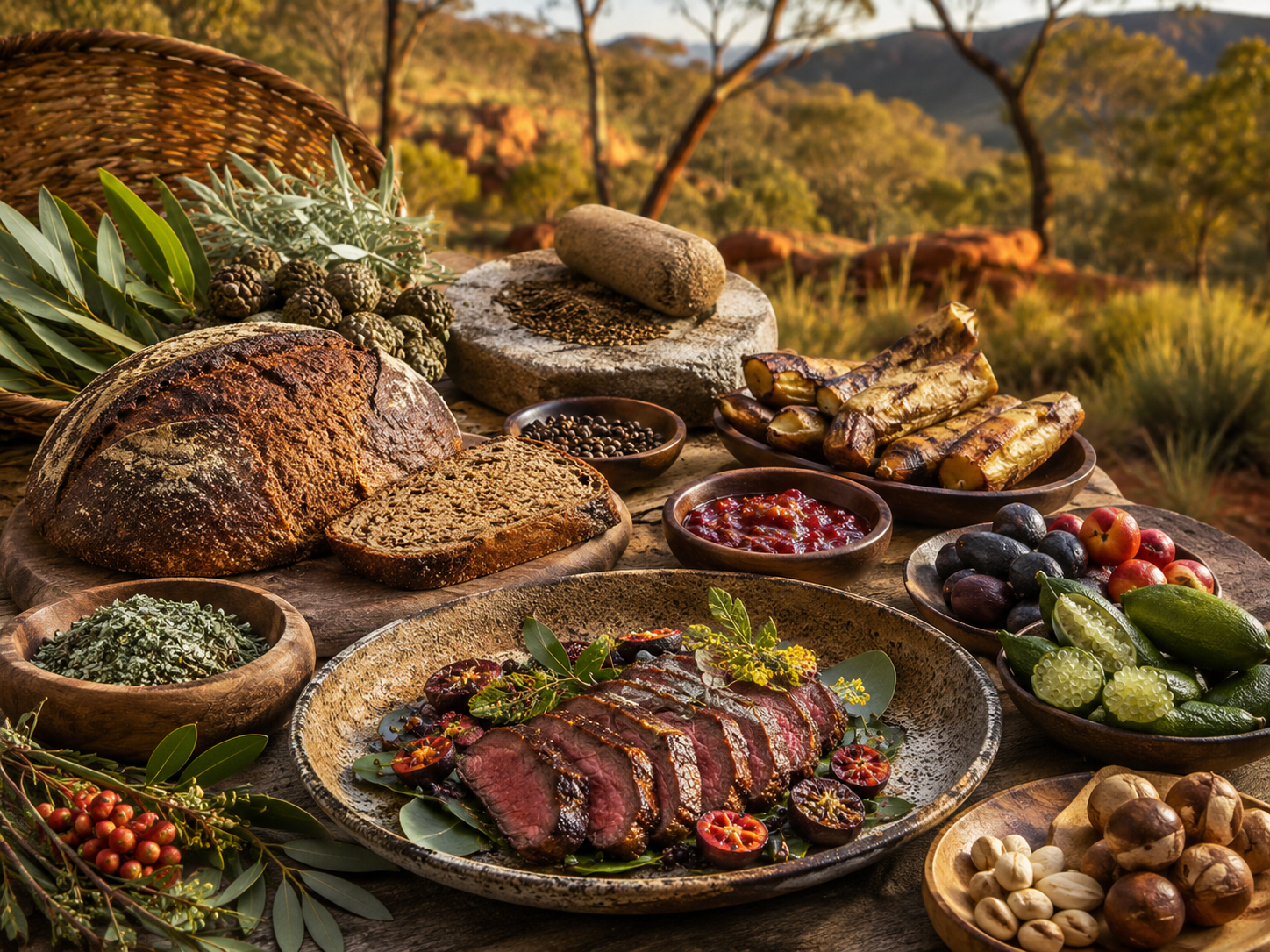
Sustainable eating is another major influence. Australians are increasingly interested in seasonal fruit and vegetables, farmers’ markets, low-waste cooking, recyclable packaging, and locally produced food. Restaurants and food brands are responding by highlighting ingredient origins, ethical sourcing, and environmental responsibility. Native Australian ingredients are also gaining stronger recognition. Flavours such as lemon myrtle, finger lime, wattleseed, pepperberry, and Kakadu plum are appearing in sauces, desserts, drinks, and modern café dishes, giving healthy food a distinctly Australian identity.
Functional foods and drinks are also expected to remain popular in 2026. Consumers are looking for products that offer benefits beyond basic nutrition, such as improved hydration, better focus, immune support, or post-workout recovery. Low-sugar electrolyte drinks, kombucha, herbal teas, protein smoothies, fortified milks, and foods enriched with omega-3, fibre, or vitamins are becoming common choices. However, many shoppers are also reading labels more carefully and looking for products with simple ingredients rather than exaggerated health claims.
Personalisation is shaping the future of healthy eating as well. Apps, wearable fitness trackers, and nutrition programs allow people to adjust their food choices based on sleep, activity, blood sugar, allergies, or personal wellness goals. This reflects a broader shift away from one-size-fits-all dieting.
The healthy food trend in Australia in 2026 is ultimately about realistic improvement. Australians are choosing meals that are nourishing, flavourful, environmentally aware, and easy to include in busy routines. Healthy eating is no longer limited to restrictive diets; it is becoming a flexible lifestyle built around smarter everyday decisions.