When Chicken Stopped Being the Safe Option
For much of the past two decades, chicken occupied an awkward place in Australian restaurant kitchens: too familiar to be aspirational, too cheap to signal craft. Brendan Fong, executive chef at Sydney’s Barons, admitted as much to Qantas Travel Insider. “When you’re young and you get your first head chef role, you don’t want to use chicken,” he said. “It’s a bit like, ‘I can get chicken at the supermarket, why would I put it on a menu?’”. That calculation has inverted. In 2026, chicken is appearing on menus not despite its familiarity but because of it — and charcoal, the oldest cooking method in the book, is central to that reappraisal.
The evidence is not limited to a handful of ambitious restaurants. Qantas Travel Insider’s March 2026 survey of the country’s best chicken dishes found a category-wide shift: well-raised, slow-grown birds are being treated with the same seriousness as premium beef or seafood. At Barons, Fong and head chef Alex Haupt serve half a roasted Crosslands free-range chicken with gravy and watercress; it has become a top seller. At Barragunda Dining on the Mornington Peninsula, chef-farmer Simone Watts transforms spent laying hens from regenerative egg farm Lil’s Yolky Dokey into a boudin blanc, curved around a confit egg yolk and served in broth — a dish that turns a byproduct into a story about circular farming.
The Provenance Effect
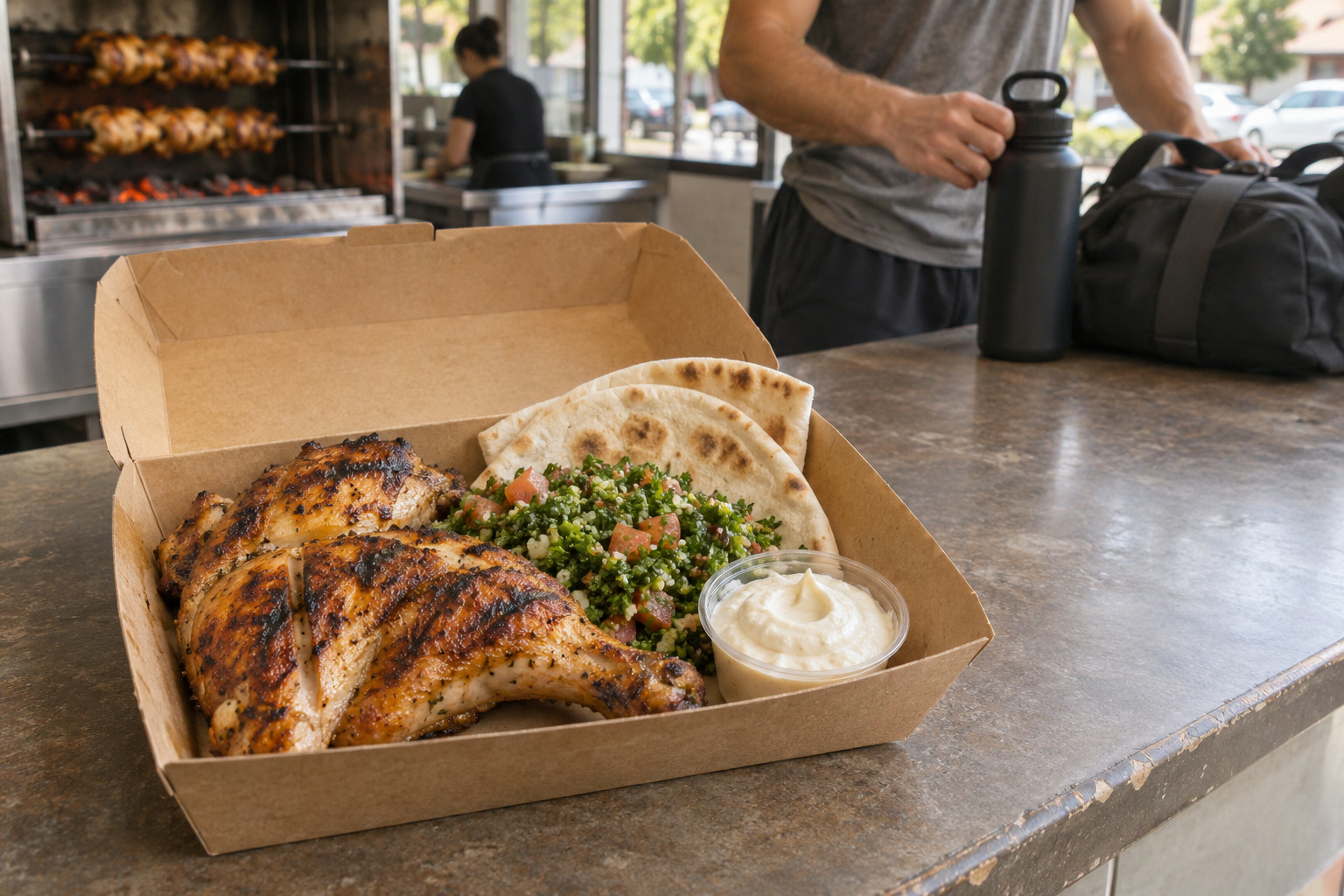
The elevation is being powered by a supply-side shift as much as a kitchen-side one. The Australian breed Sommerlad — slow-grown, foraging-friendly and explicitly positioned as a premium alternative to intensive poultry — has become a marker of seriousness on restaurant menus. For consumers, that provenance signal is beginning to travel downstream. The same customer who encounters Sommerlad chicken at a sit-down restaurant is more likely to ask questions about the chicken at their local charcoal shop: where it came from, how it was raised, whether it was frozen.
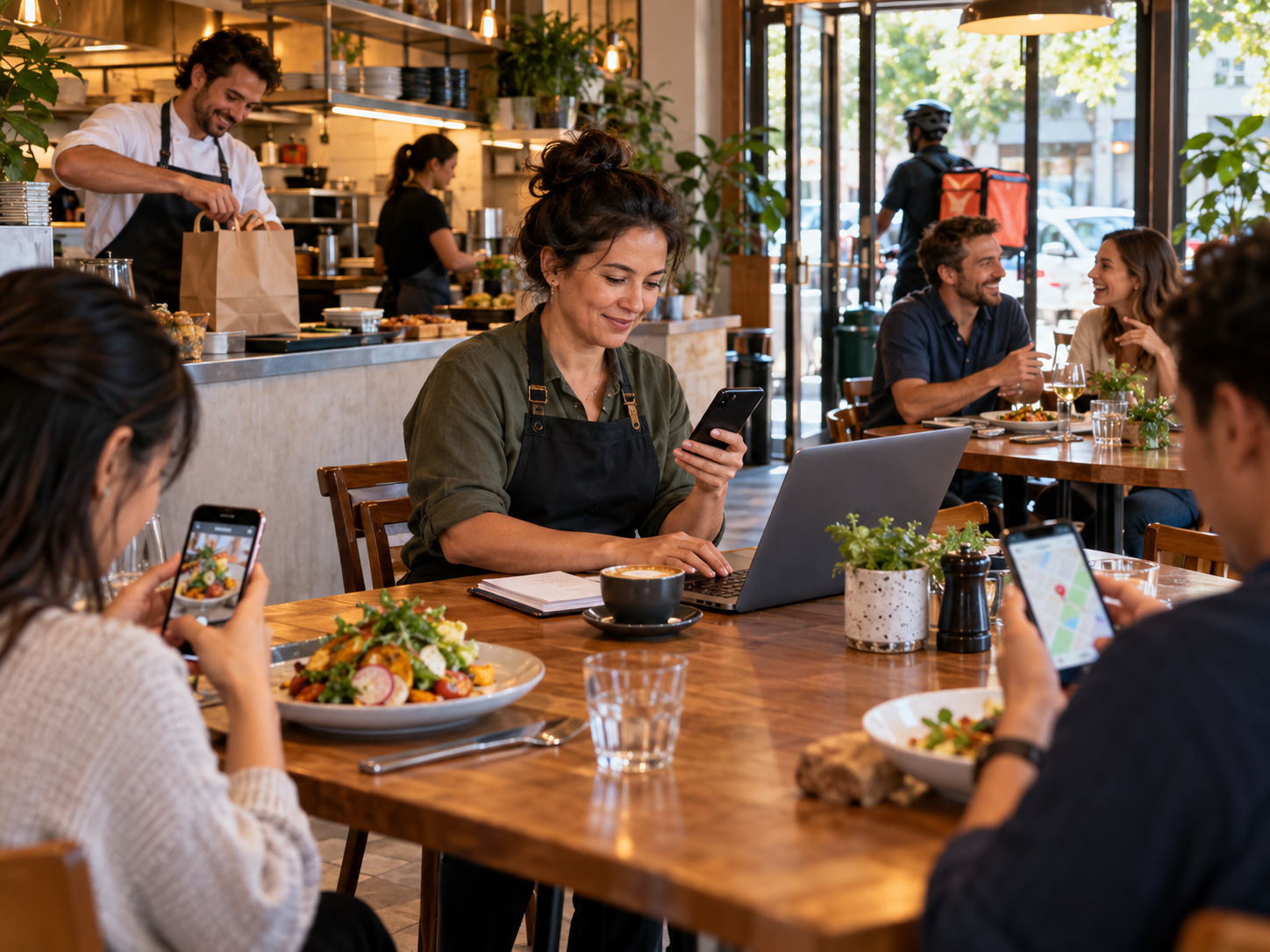
That curiosity is already reshaping the quick-service end of the market. El Jannah’s decision to ban frozen or processed chicken in its supply chain is a commercial bet that provenance now matters even at the value end of the chicken spectrum. Chargrill Charlie’s, with its longer menu and more diversified offer, has built its reputation partly on the perception that its food is a cut above the average takeaway. Neither brand is a fine-dining operation, but both are benefiting from a cultural shift that has made chicken a legitimate object of culinary attention.
The Risk of Elevation
There is a tension in all of this. Charcoal chicken’s original appeal was partly its unpretentiousness — the paper bag, the garlic sauce, the family feed that did not ask to be admired. As the category moves upmarket, it risks losing the everyday accessibility that made it culturally important in the first place. The most interesting operators are those navigating that tension rather than resolving it: keeping the charcoal, the toum and the communal occasion intact while improving the bird, the sourcing and the experience around it.
The revival, seen from this angle, is less a reinvention than a reassertion. Charcoal chicken was always good. What has changed is that Australia is now willing to say so out loud.