The Numbers Speak
In 2025, Australia’s immersive location-based entertainment market was valued at USD 77.4 million. By 2033, that figure is projected to reach USD 603 million. A CAGR of 28.6% over eight years is not incremental growth—it is structural expansion.
These figures matter because they change how policymakers and investors view the sector. Immersive entertainment is no longer “a fun thing to do on the weekend.” It is creative economy infrastructure that absorbs labor, drives commercial property, and attracts tourists.
Evidence from the Field
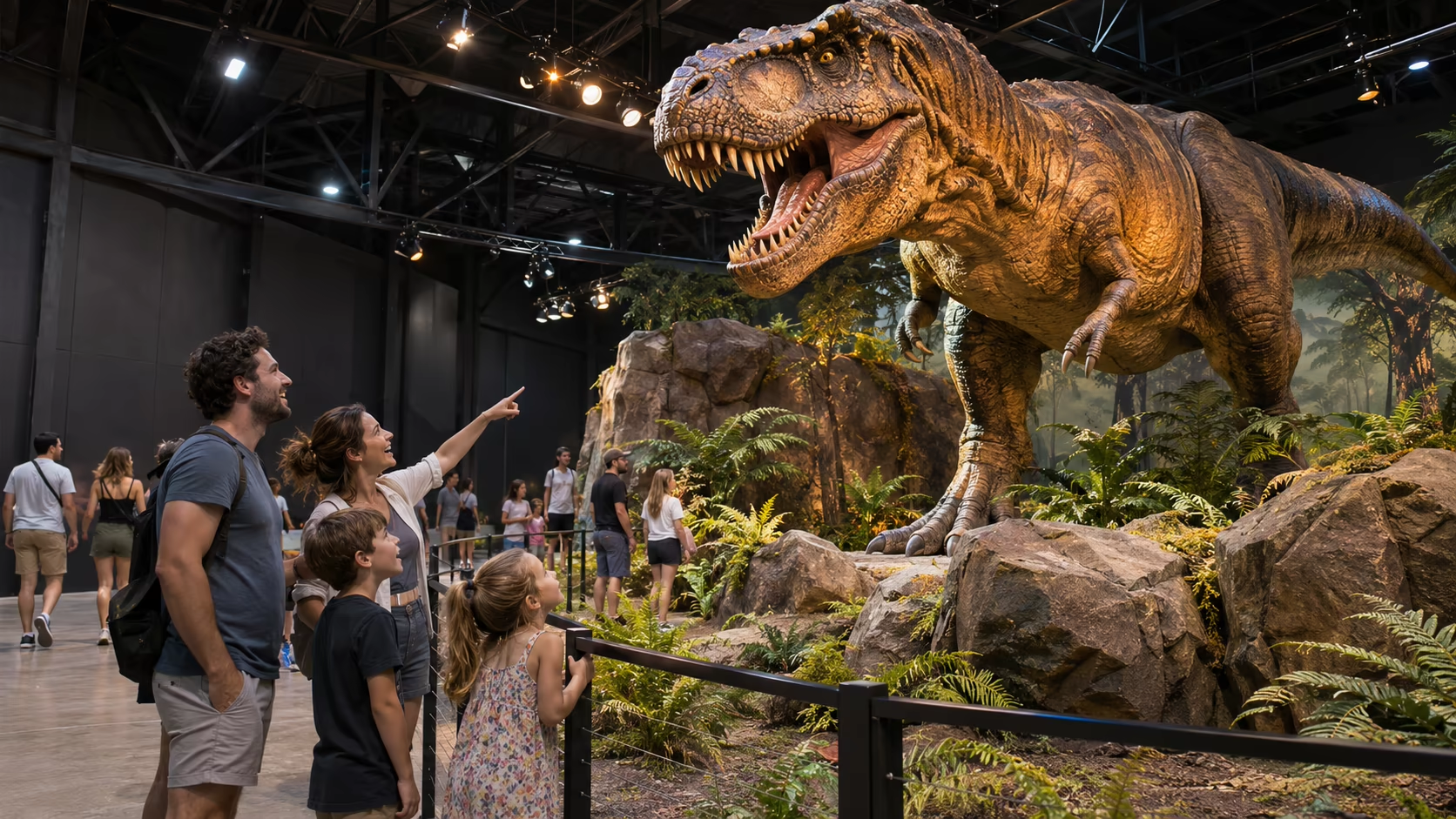
Fever’s investment in Brisbane—more than 4,300 square meters of permanent space—is one of the most concrete proofs. But similar signals are appearing elsewhere. In Victoria, the state government allocated an additional AUD 27 million for the Victorian Screen Incentive in the 2026/27 budget, creating a total investment of AUD 48.7 million for screen production and digital games. In 2024–25, support for Victoria’s screen industry drove more than AUD 500 million in direct economic activity and supported 8,000 local jobs.
In South Australia, Illuminate Adelaide demonstrates how a seasonal festival can become a catalyst for technology testing and international partnerships, with more than 100 experiences spanning interactive gaming, projection, and even immersive gastronomy.
Remaining Challenges
However, rapid growth brings friction. Market reports note high operational costs, limited content availability, and health concerns related to prolonged exposure to immersive technology as key barriers. Additionally, geographic concentration remains an issue: Sydney and Melbourne dominate, Brisbane is now challenging, but other cities lag behind.
What makes this sector different from previous hype waves is that business models are beginning to mature. Escape This sells repeat experiences, not one-time visits. Fever builds permanent venues, not pop-ups. Illuminate integrates paid and free experiences into the city ecosystem, creating a sustainable visitor flow over weeks.
The question for Australia is no longer whether immersive entertainment will grow, but how to ensure its growth is geographically inclusive and commercially sustainable. With a market projection approaching half a billion dollars within seven years, the stakes are too high to ignore.