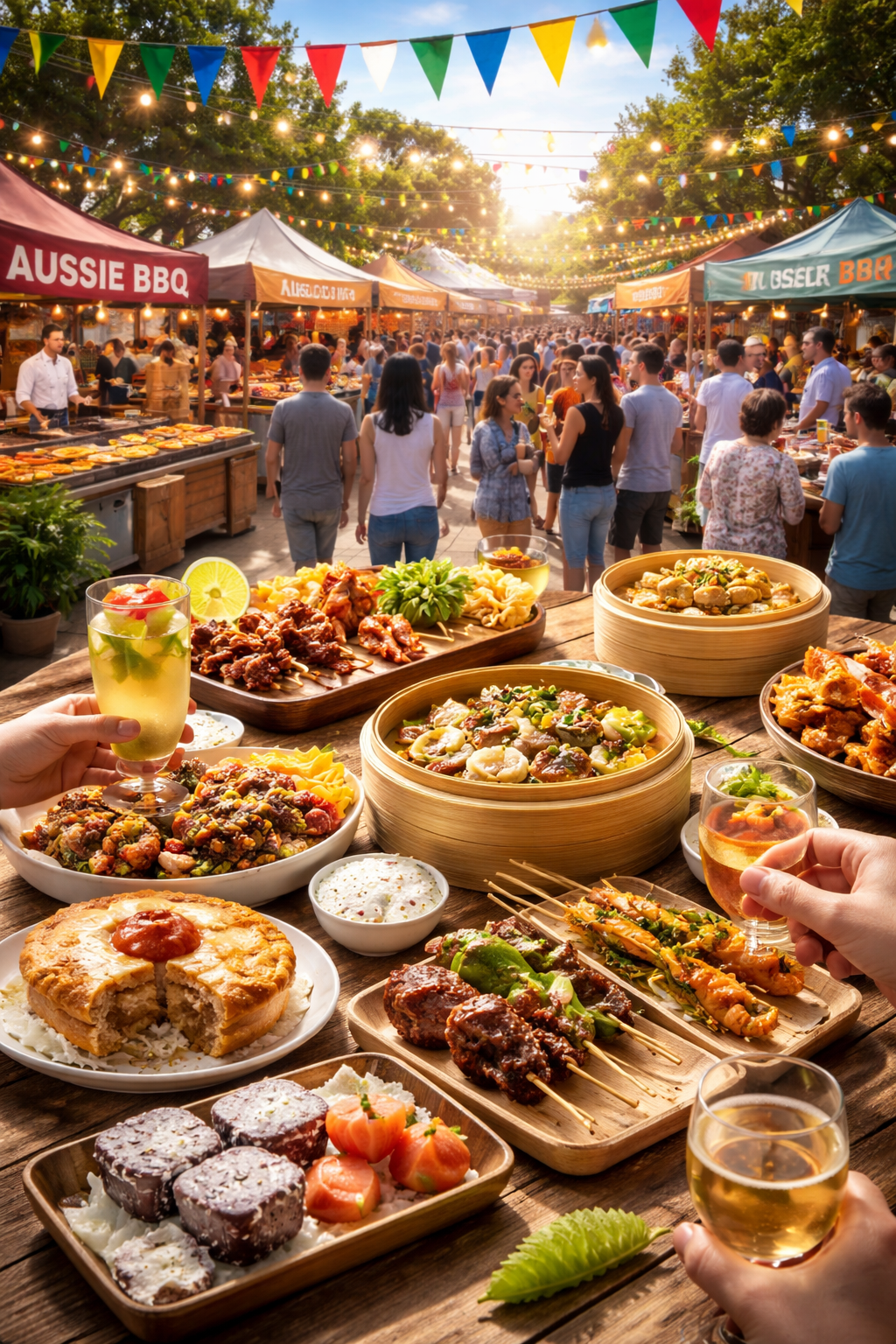
Australian festivals can feel overwhelming: music, performances, art installations, and lines of food stalls stretching into the distance. But if your goal is to truly explore Australian cuisine at cultural events, a little strategy helps. With the right approach, you can turn a busy festival day into a curated tasting journey—one that reveals both traditional favorites and the modern, multicultural reality of Australia’s table.
Start by recognizing the two “lanes” of Australian festival food. The first lane is classic comfort: meat pies, sausage rolls, fish and chips, barbecued sausages, and familiar sweets like lamingtons. These dishes are popular for good reason—portable, filling, and tied to everyday Australian life. Trying at least one classic item gives you a baseline for how the country’s comfort food tastes in its simplest form.
The second lane is where festivals truly shine: contemporary street food built from local produce and global influence. Here you’ll find dumplings, skewers, charcoal-grilled meats, seafood wraps, spice-heavy noodles, and desserts with creative twists. This lane reflects the reality that “Australian food” isn’t a single tradition; it’s a constantly evolving mix shaped by migration and regional ingredients.
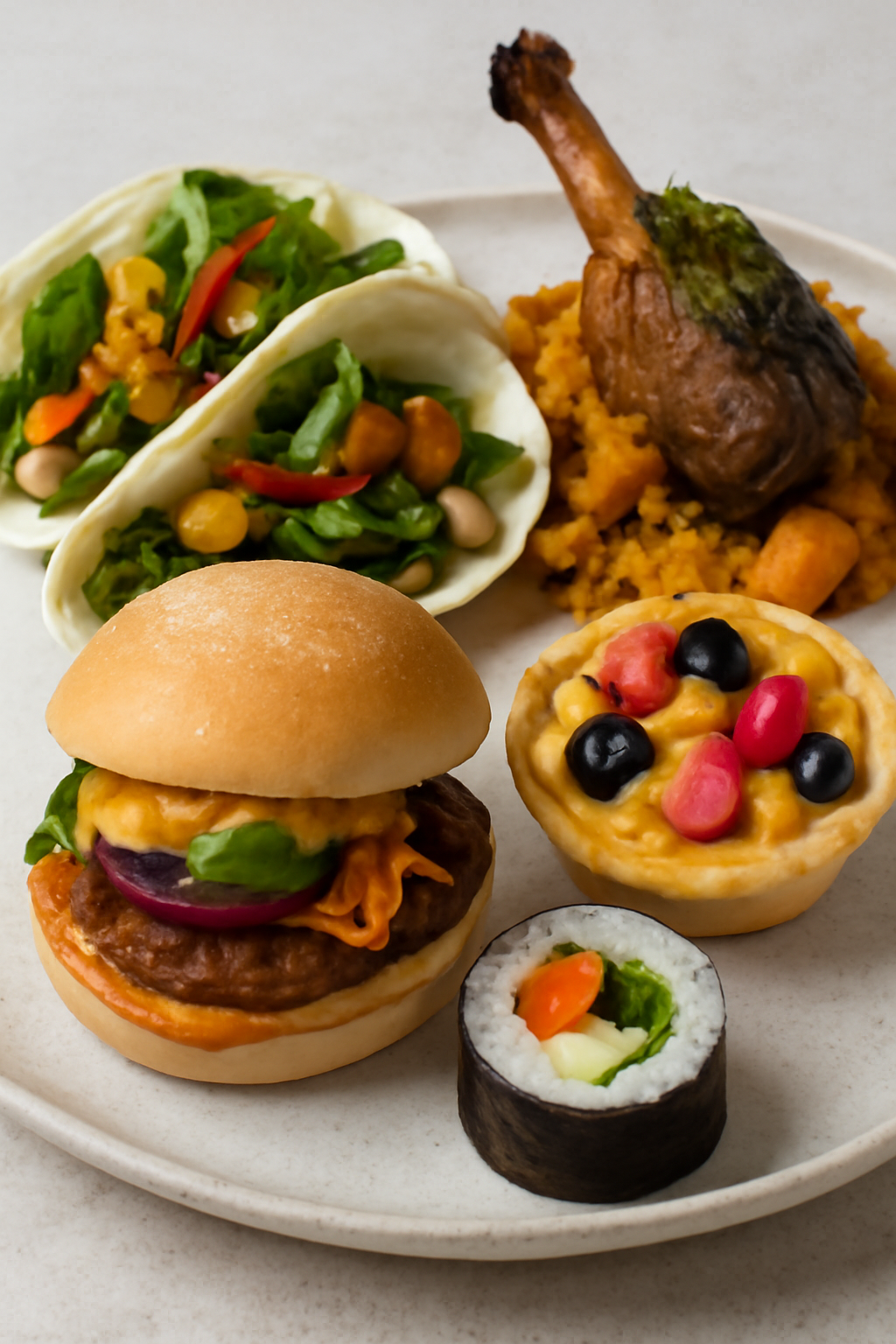
To taste broadly without burning out, begin with smaller portions. Many festivals offer share plates, tasting cups, or snack-sized items—ideal for sampling multiple vendors. If you’re with friends, split dishes and rotate choices. A good rhythm is: one savory bite, one fresh or light item, then something sweet. That pattern keeps your palate awake and prevents the “all fried foods” crash.
Pay attention to ingredients that signal place. Coastal festivals often emphasize seafood; inland-style vendors lean into smoky barbecue and lamb; warm-climate stalls showcase tropical fruit, chili, and citrus. Look for signage calling out local farms, fisheries, or regional specialties—these details indicate the stall is aiming to represent a specific area, not just sell generic street food.
Drinks can deepen the experience dramatically. Australia’s festival culture often includes local wine, craft beer, and specialty coffee. Pair crisp whites or sparkling with seafood, richer reds with grilled meats, and hoppy beers with spicy foods. If you see spirits featuring native botanicals—especially gin—consider a small tasting, as it’s a direct expression of local flavor. And if you’re doing a full-day festival, coffee carts can be as important as food stalls; Australia’s espresso scene is a major part of its culinary identity.
If you want a more educational angle, prioritize festivals that offer chef demos, producer talks, or cultural workshops. These sessions provide context: why certain foods appear at particular celebrations, how recipes travel and adapt, and how Australian produce shapes cooking styles. Even without formal programming, vendors themselves are often the best teachers—ask what makes a dish traditional, what’s local, or what ingredient they’re most proud of.
Finally, keep an eye out for native ingredients used thoughtfully—lemon myrtle, finger lime, wattleseed, pepperberry, bush tomato. These can appear in sauces, desserts, or seasoning blends. When vendors explain sourcing and cultural context, the tasting becomes more meaningful and supports better food practices.
A festival is temporary, but the culinary insight you gain can last. By balancing classics with modern street food, regional produce with multicultural specialties, and eating with a bit of curiosity, you’ll come away with a genuinely complete view of what Australian festival cuisine represents today.