Sustainability in Australian fashion is no longer a niche movement but a growing industry standard. Designers are turning to locally sourced, natural materials to reduce environmental impact, support regional communities, and craft clothing that aligns with ethical values. By prioritizing eco-friendly fibers and plant-based dyes, Australia is positioning itself as a leader in sustainable apparel innovation.
Merino wool remains central to this transformation. Its softness, breathability, and insulation properties make it suitable for a wide range of garments, from knitwear to outdoor clothing. Australian farms implement sustainable grazing practices, ensuring the welfare of animals while maintaining ecological balance. This focus on local wool supports regional economies and reduces the need for imported materials.
Organic cotton is another key fabric in sustainable collections. By growing cotton without harmful chemicals, farmers promote biodiversity, improve soil quality, and save water. Designers frequently use organic cotton for everyday apparel, children’s wear, and luxury garments, emphasizing its comfort and low environmental impact. Locally sourced cotton further reduces the carbon footprint and fosters sustainable production networks.
Hemp is gaining recognition for its durability, sustainability, and versatility. The crop grows quickly, requires minimal water, and strengthens the soil. Australian designers use hemp fibers to create jackets, pants, and accessories, often blending it with cotton or wool to improve texture and resilience. This innovation allows garments to be both environmentally responsible and stylish.
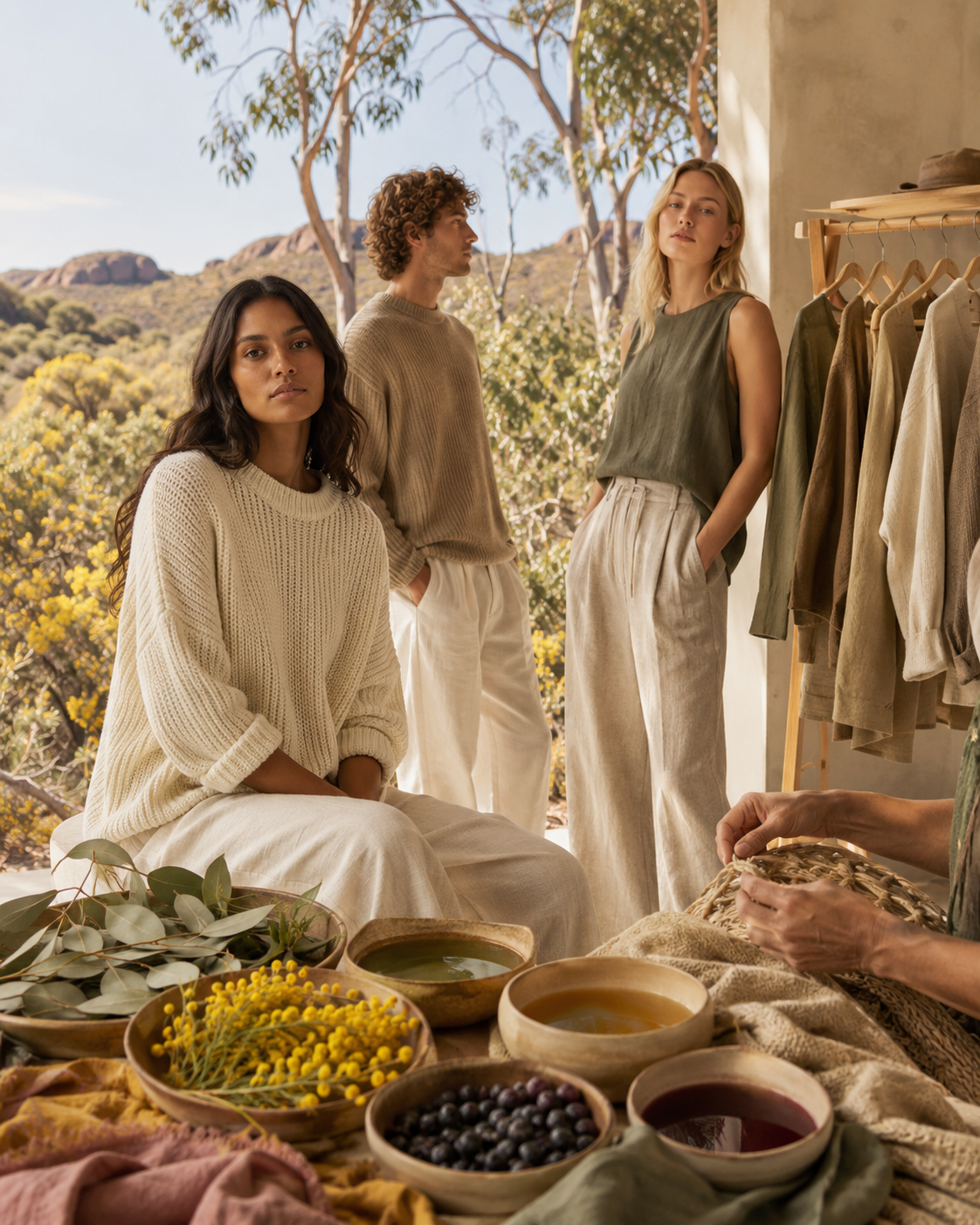
The use of natural dyes extracted from native flora such as eucalyptus, wattle, and native berries ensures garments are chemically safe and visually unique. These dyes avoid the toxic runoff associated with synthetic alternatives while connecting fashion to Australia’s diverse ecosystems. Each piece tells a story about the land, making clothing both sustainable and culturally resonant.
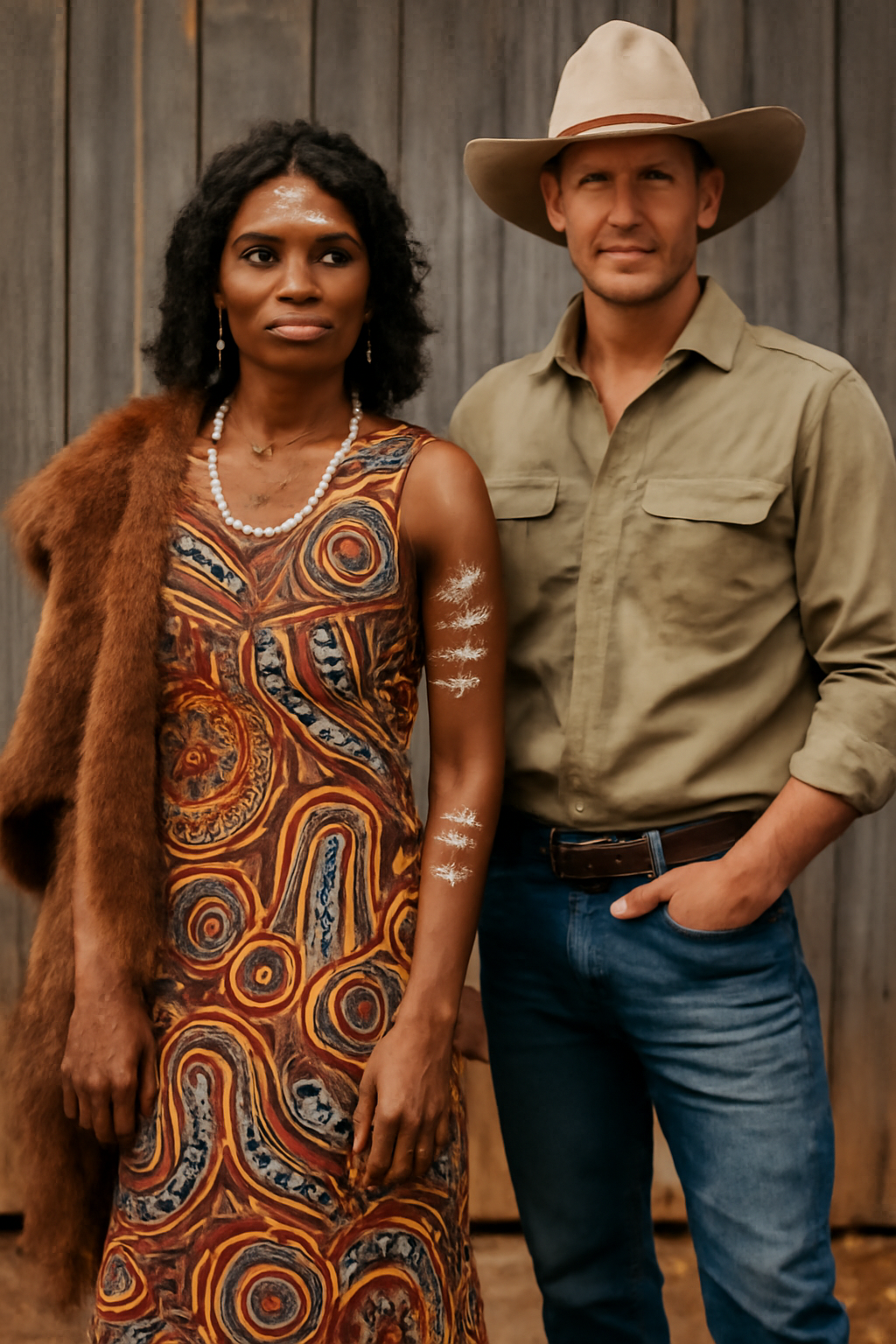
Partnerships with Indigenous communities enrich the fashion landscape. Traditional dyeing, weaving, and embroidery techniques are integrated into modern garments, preserving heritage and promoting ethical production. These collaborations ensure cultural respect and enhance the value of locally made apparel, combining sustainability with social impact.
Through the thoughtful integration of Merino wool, organic cotton, hemp, and plant-based dyes, Australia is redefining sustainable fashion. The combination of environmental responsibility, ethical production, and cultural storytelling positions the country as a model for eco-conscious apparel, proving that locally sourced natural materials can shape a greener future for fashion.