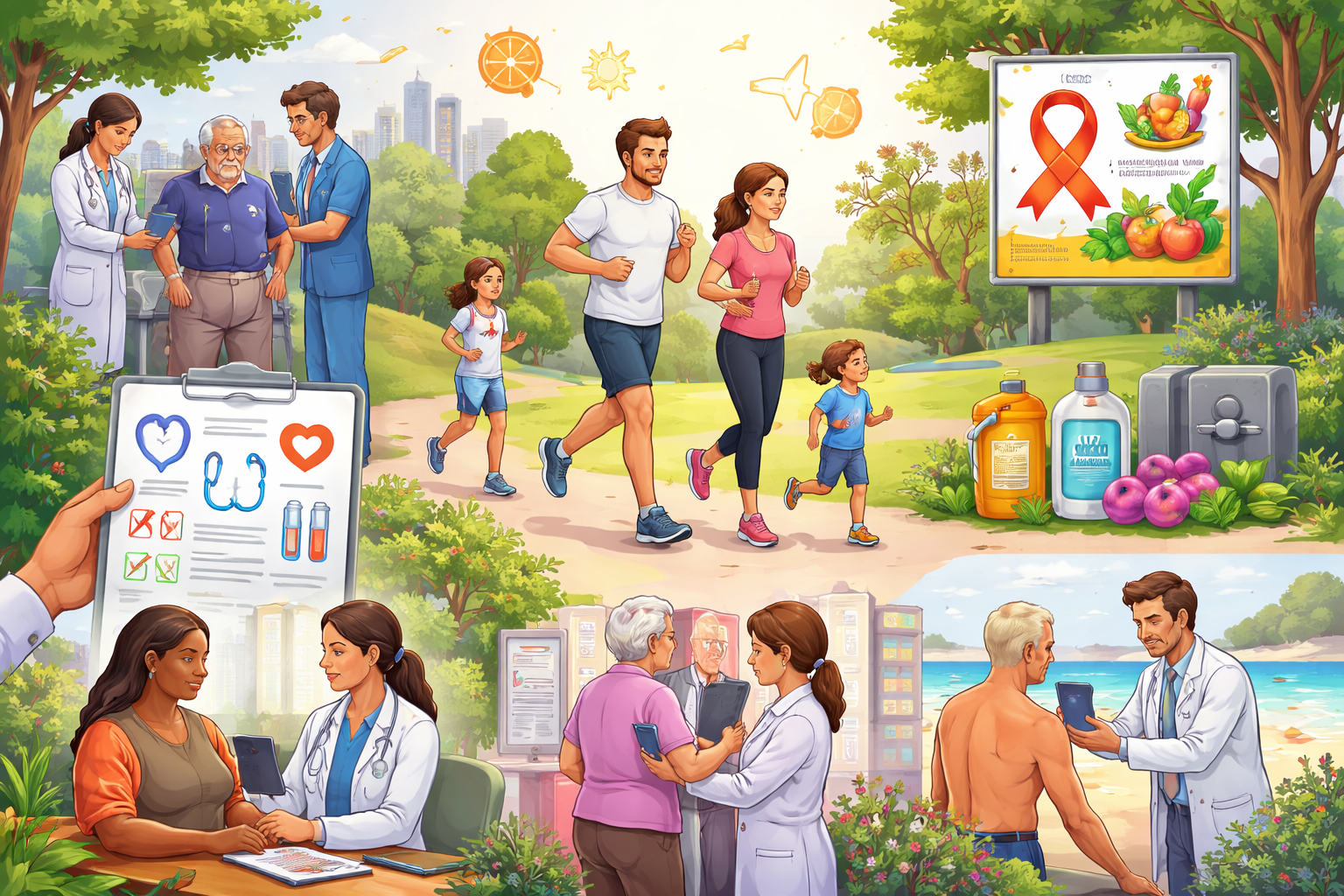
Preventive healthcare is one of the most important strategies Australia can use to reduce illness, improve population wellbeing, and make its healthcare system more sustainable. Rather than concentrating only on treatment after disease becomes serious, prevention works across the full health journey. It involves protecting people from illness, recognising risk factors early, and supporting healthier behaviours that can reduce the likelihood of long-term disease. In Australia, where chronic conditions account for a large share of disability and healthcare spending, prevention is especially important.
Australia has achieved strong health outcomes in many areas, yet preventable disease continues to affect a large portion of the population. The biggest contributors include cardiovascular disease, many forms of cancer, diabetes, respiratory conditions, and mental ill-health. These are often influenced by everyday risk factors such as smoking, unhealthy food choices, lack of exercise, obesity, alcohol misuse, and delayed health checks. Preventive healthcare seeks to address these drivers before they produce severe medical complications.
Primary care services are at the heart of preventive action. General practitioners and community health teams regularly help patients manage health risks through check-ups, screening, vaccinations, and education. Because they often see patients over many years, they can recognise patterns early and intervene before disease worsens. Advice on quitting smoking, improving diet, increasing physical activity, and managing stress can have a major effect on long-term outcomes when delivered consistently and early.
Immunisation remains one of the clearest examples of successful prevention in Australia. By protecting individuals and communities from infectious diseases, vaccination programs reduce illness, deaths, and hospital admissions. They are also efficient from an economic perspective because preventing disease is usually far less costly than treating it. In a diverse population with varying levels of vulnerability, widespread immunisation provides both personal and community-wide protection.
Health screening also makes a major contribution to disease reduction. National screening programs for bowel, breast, and cervical cancer are designed to detect abnormalities before symptoms become obvious. This can lead to earlier treatment, improved survival, and less extensive medical intervention. Screening for blood pressure, diabetes risk, cholesterol levels, and skin cancer is also particularly relevant in Australia. These measures allow health professionals to identify silent risks that may otherwise remain undetected for years.
Public health campaigns have supported prevention by changing attitudes and behaviour at a broad level. Australia’s anti-smoking initiatives are a notable example of long-term policy success. Sun safety education has also been essential because of the country’s high exposure to ultraviolet radiation and elevated skin cancer risk. More recent efforts around obesity prevention, mental health awareness, and healthy school environments reflect the widening scope of modern preventive healthcare.
At the same time, prevention is shaped by social conditions. A person’s ability to stay healthy depends not only on personal choices but also on access to housing, education, employment, transport, safe communities, and affordable food. This is why some groups experience a greater burden of preventable disease than others. Aboriginal and Torres Strait Islander communities, remote populations, and people living with disadvantage often face barriers that reduce access to timely and culturally appropriate care. Effective prevention in Australia must therefore combine healthcare services with stronger action on social determinants of health.
Expanding preventive healthcare offers clear benefits for Australia’s future. It can reduce pressure on hospitals, lower healthcare costs, improve quality of life, and help people remain healthier for longer. A system that prioritises prevention does more than respond to disease; it creates the conditions for better health across the whole population.