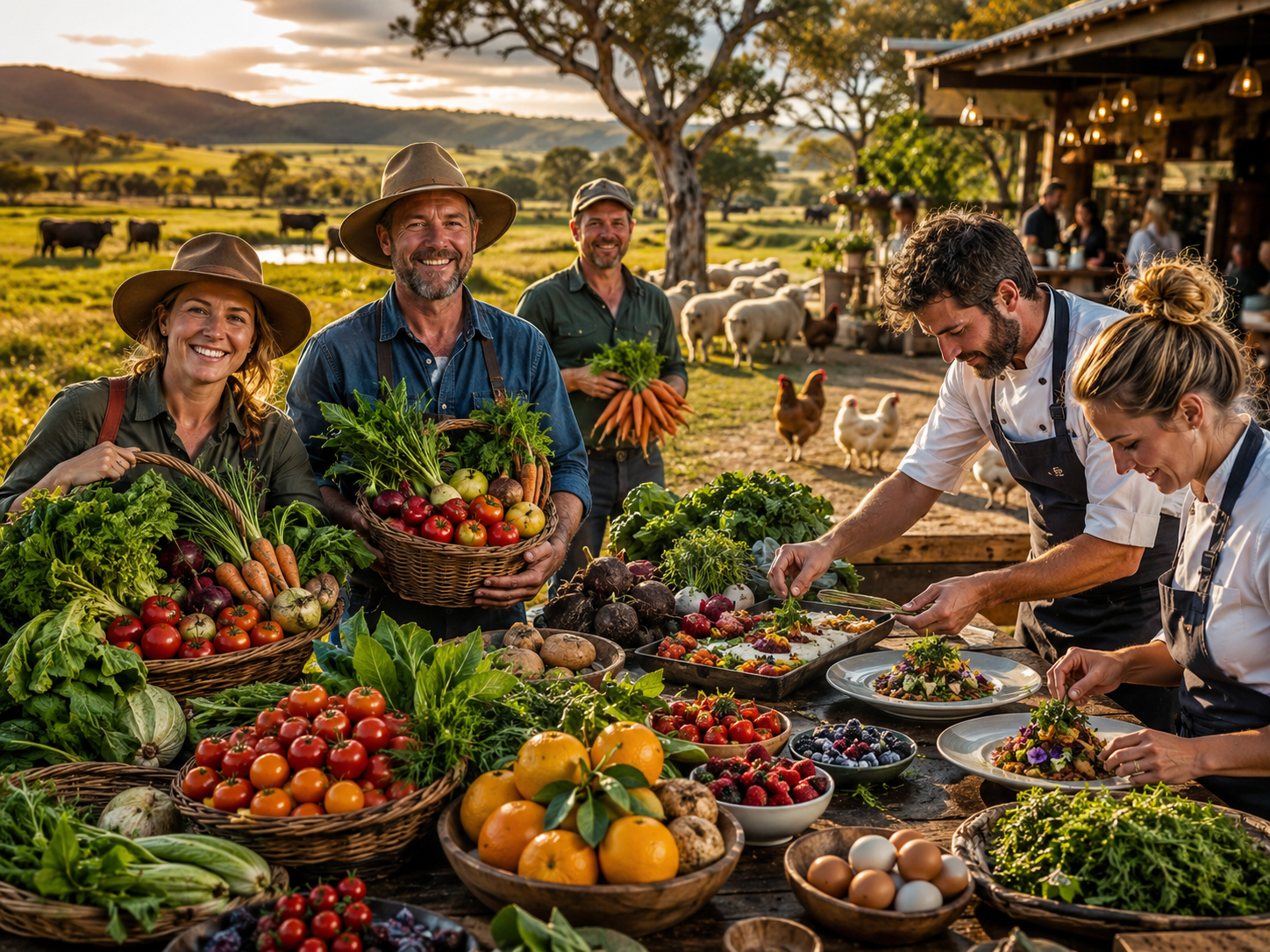
Australia’s gastronomic development is closely linked to the dedication and innovation of local farmers who supply the essential ingredients for modern cuisine. Fresh, locally grown fruits, vegetables, and herbs underpin chefs’ abilities to craft dishes that reflect both quality and seasonality.
Seasonal produce plays a central role in menu development. By aligning their offerings with farmers’ harvests, chefs ensure dishes feature peak flavors and nutritional integrity. Farmers’ markets across major cities provide immediate access to these ingredients, fostering connections between producers, chefs, and consumers.
Animal farming complements plant-based production, supplying high-quality meats such as free-range poultry, grass-fed beef, and ethically reared lamb. These proteins allow culinary professionals to experiment with traditional and contemporary dishes while emphasizing ethical sourcing and environmental responsibility.
The farm-to-table model has elevated the visibility of farmers within the culinary ecosystem. Restaurants increasingly highlight ingredient origins, educating diners about the labor and care involved in production. This narrative strengthens the bond between agriculture and gastronomy, cultivating consumer appreciation for local food systems.
Local agriculture also champions regional identity. By preserving heirloom crops and indigenous ingredients, farmers provide chefs with opportunities to craft dishes that celebrate Australia’s diverse landscapes and traditions. Seasonal menus, informed by farmers’ knowledge, allow diners to experience authentic flavors while supporting the local economy.
Through these dynamic interactions, farmers remain indispensable to Australia’s culinary evolution, providing the raw materials, expertise, and seasonal guidance necessary to sustain a thriving and innovative food culture.