Indigenous Art, Licensing and Digital IP Protection
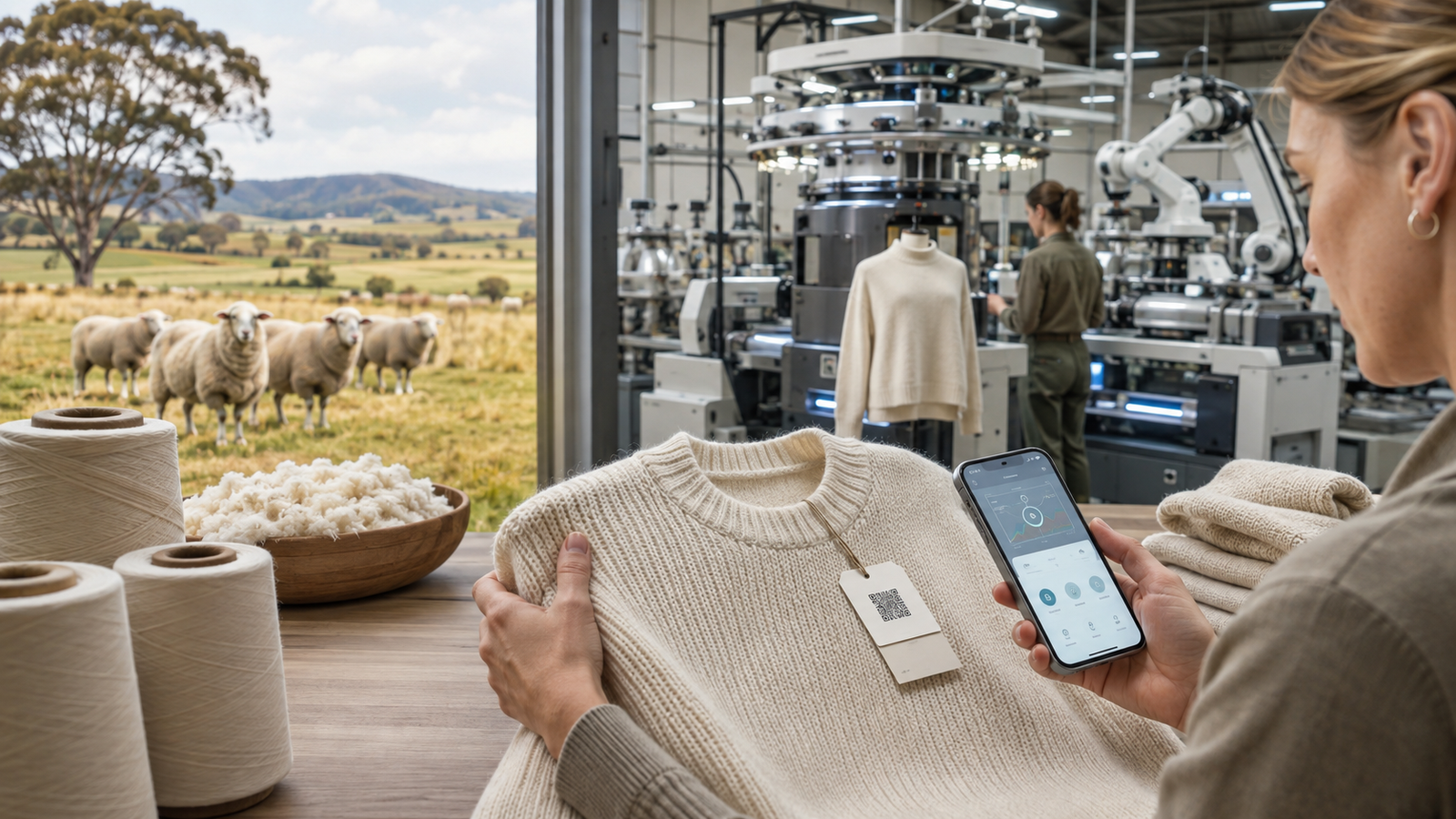
For decades, Indigenous designs were appropriated without consent or compensation. In 2026, a new legislative framework and blockchain‑based authentication tools are transforming that dynamic. The Indigenous Fashion Projects’ “Code of Practice” platform now enables artists to register their motifs on a tamper‑proof digital ledger. Every metre of fabric printed with a licensed artwork carries a QR code that links back to the artist’s community, ensuring royalties flow directly and transparently. A 2026 Australian Fashion Council report noted that Indigenous‑designed textiles posted a 140 per cent revenue surge over two years, propelled by domestic and international demand for culturally accountable fashion. AFC Indigenous Fashion Sector Report 2026
Ethical Wool and Native Fibre Partnerships
Several remote Indigenous communities in the Pilbara and Kimberley are participating in a novel “Wild Merino” initiative. Feral goats and sheep are humanely mustered, with wool graded and spun in a community‑owned micro‑mill before being sent to a Melbourne finishing house. The fibre carries the “Ethical Wild Wool” certification, telling a story of environmental regeneration, animal welfare and economic self‑determination. This model is being replicated with native plant fibres such as stinging nettle and spinifex, which are harvested under traditional ecological knowledge protocols.
Innovative Fabrications Rooted in Storytelling
Mainstream brands are now co‑designing textile ranges with Indigenous artists, using water‑free digital printing to capture intricate Dreaming narratives on organic cotton, silk and hemp blends. A recent collaboration between a leading Australian lifestyle brand and the Yarrenyty Arltere Artists of Alice Springs resulted in a limited‑edition silk scarf collection that sold out globally, with a portion of profits funding an art centre extension. These textiles are more than products; they are vehicles for cultural continuity, education and genuine partnership. By fusing the world’s oldest living culture with state‑of‑the‑art sustainable manufacturing, Australia’s ethical textile sector is producing fashion that is as rich in meaning as it is in innovation.