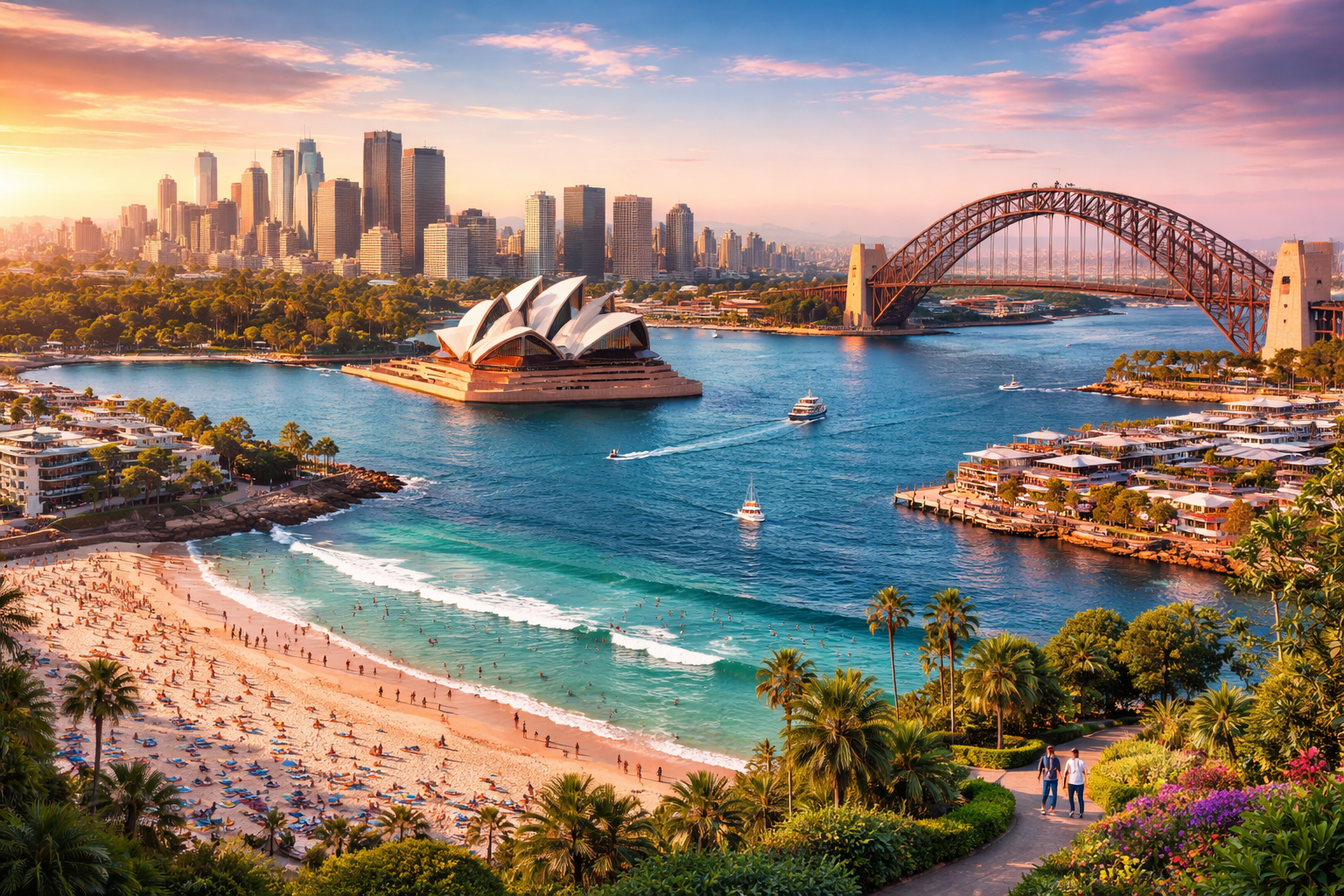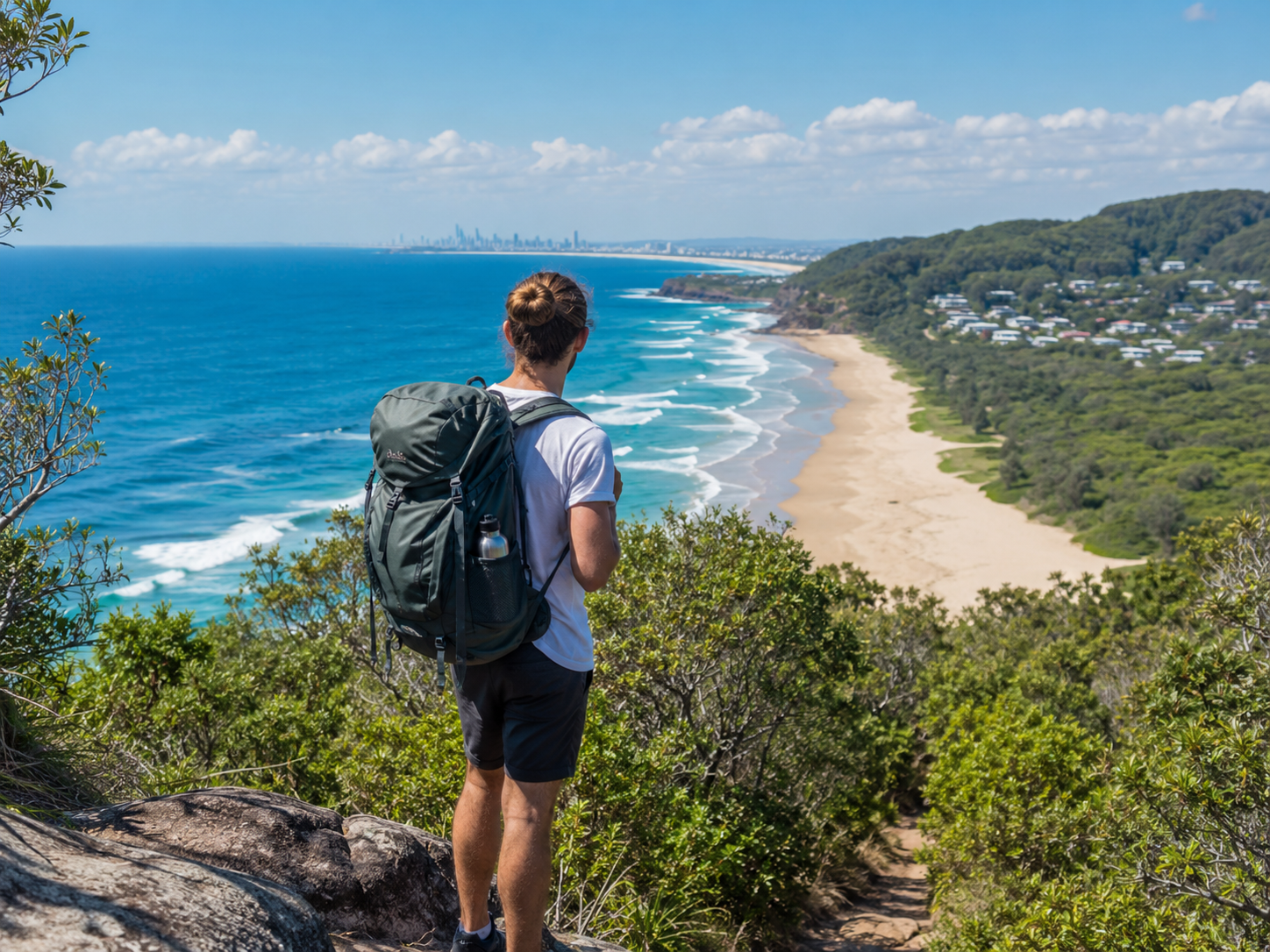
Backpacking through Australia is a dream for many travelers because the country combines modern cities, dramatic coastlines, ancient landscapes, and unique animals found nowhere else. While Australia has a reputation for high travel costs, it is still possible to explore the country on a limited budget by choosing the right routes, using shared facilities, and prioritizing meaningful experiences over luxury.
One of the best ways to begin a backpacker trip is by choosing a realistic travel route. Australia is a massive country, and distances between destinations can be much longer than expected. For first-time visitors, the East Coast is one of the most practical options. Starting in Sydney and traveling north toward Byron Bay, Brisbane, Airlie Beach, and Cairns gives backpackers access to beaches, surf towns, islands, rainforests, and the Great Barrier Reef. This route is popular, social, and supported by hostels, bus networks, and budget-friendly tour operators.
Sydney is a strong starting point because it offers many experiences that do not require a large budget. Travelers can walk from Bondi to Coogee, picnic near the harbor, visit public museums on free-entry days, and explore neighborhoods such as Newtown or Surry Hills. Rather than spending heavily on nightlife and restaurants, backpackers can join hostel events, cook together with other travelers, and enjoy outdoor spaces that make Sydney memorable.
Moving north, Byron Bay attracts backpackers with its relaxed atmosphere, beaches, surfing culture, and lighthouse walk. Although the town can be pricey, costs can be controlled by staying in shared dorms, renting bikes, shopping at local grocery stores, and joining free beach activities. Brisbane offers a more urban break with riverside walks, public gardens, art spaces, and access to nearby islands or national parks.
For travelers who want iconic natural beauty, Airlie Beach is the gateway to the Whitsunday Islands. Sailing trips are often a major expense, but they can be worth planning for if booked wisely. Comparing package prices, traveling outside peak holiday periods, and asking hostels about promotions can help reduce the cost. Farther north, Cairns provides opportunities to visit the Great Barrier Reef, waterfalls, rainforest villages, and swimming lagoons. Many of these activities can be done independently or with budget group tours.
Saving money in Australia often depends on daily habits. Cooking in hostel kitchens, carrying a refillable bottle, using public transport, and limiting paid attractions can make a big difference. Many supermarkets discount food in the evening, which can help backpackers prepare cheap meals. Hostels are not only places to sleep; they are also useful for meeting travel partners, sharing fuel costs, finding job tips, and exchanging route advice.
Long-term backpackers may consider temporary work, especially in hospitality, farms, hostels, or tourism areas. Work opportunities can help extend a trip and provide insight into local life. However, travelers should always check visa rules, employment conditions, and safety standards before accepting any job.
Australia also rewards slow travel. Instead of rushing across the entire country, backpackers can spend more time in fewer places and experience them more deeply. Watching sunrise on a beach, hiking in national parks, joining local markets, camping under clear skies, and meeting people from around the world can be just as valuable as visiting famous landmarks.
With preparation, flexibility, and smart spending, a backpacking trip in Australia can be affordable, adventurous, and rich in unforgettable stories.