Rural Access Is the Biggest Test for Health Innovation
In 2026, one of Australia’s most urgent healthcare challenges remains access. Patients in major cities often have more options for specialists, hospitals and diagnostic services, while people in rural and remote areas may face long travel distances, appointment delays and limited local workforce availability.
This is where health technology has become more than a convenience. Telehealth, remote monitoring and digital communication tools are now central to how Australia can deliver fairer medical services across distance.
A useful policy reference is the Australian Digital Health Agency’s National Digital Health Strategy 2023–2028, which supports connected, person-centred care across the health system: https://www.digitalhealth.gov.au/about-us/
Telehealth Is Now Part of Mainstream Care
Telehealth has matured from emergency adoption into a regular healthcare channel. In 2026, many Australian patients use virtual consultations for GP follow-ups, mental health support, chronic disease reviews, prescription renewals and specialist check-ins.
A Practical Case: Specialist Access Without Long-Distance Travel
For a patient in regional Queensland, Western Australia or the Northern Territory, seeing a specialist may involve hours of travel. Telehealth reduces that burden by allowing initial assessments, follow-up reviews and care planning to happen remotely. In complex cases, local nurses or general practitioners can support the patient while specialists connect through secure video platforms.
Remote Monitoring Is Changing Chronic Disease Care
Remote patient monitoring is another major shift. Patients with conditions such as hypertension, diabetes, heart failure or chronic obstructive pulmonary disease can use connected devices to track key health indicators at home.
These readings can be shared with care teams, helping clinicians identify early warning signs before a patient needs emergency treatment. This model is especially valuable for older Australians and patients who live far from hospitals.
Digital Prescriptions and Secure Messaging Improve the Workflow
Technology also helps after the consultation ends. Electronic prescriptions reduce paperwork and make it easier for patients to collect medicine from a pharmacy. Secure messaging between providers can improve coordination between GPs, specialists, hospitals and allied health professionals.
Why This Matters in Regional Communities
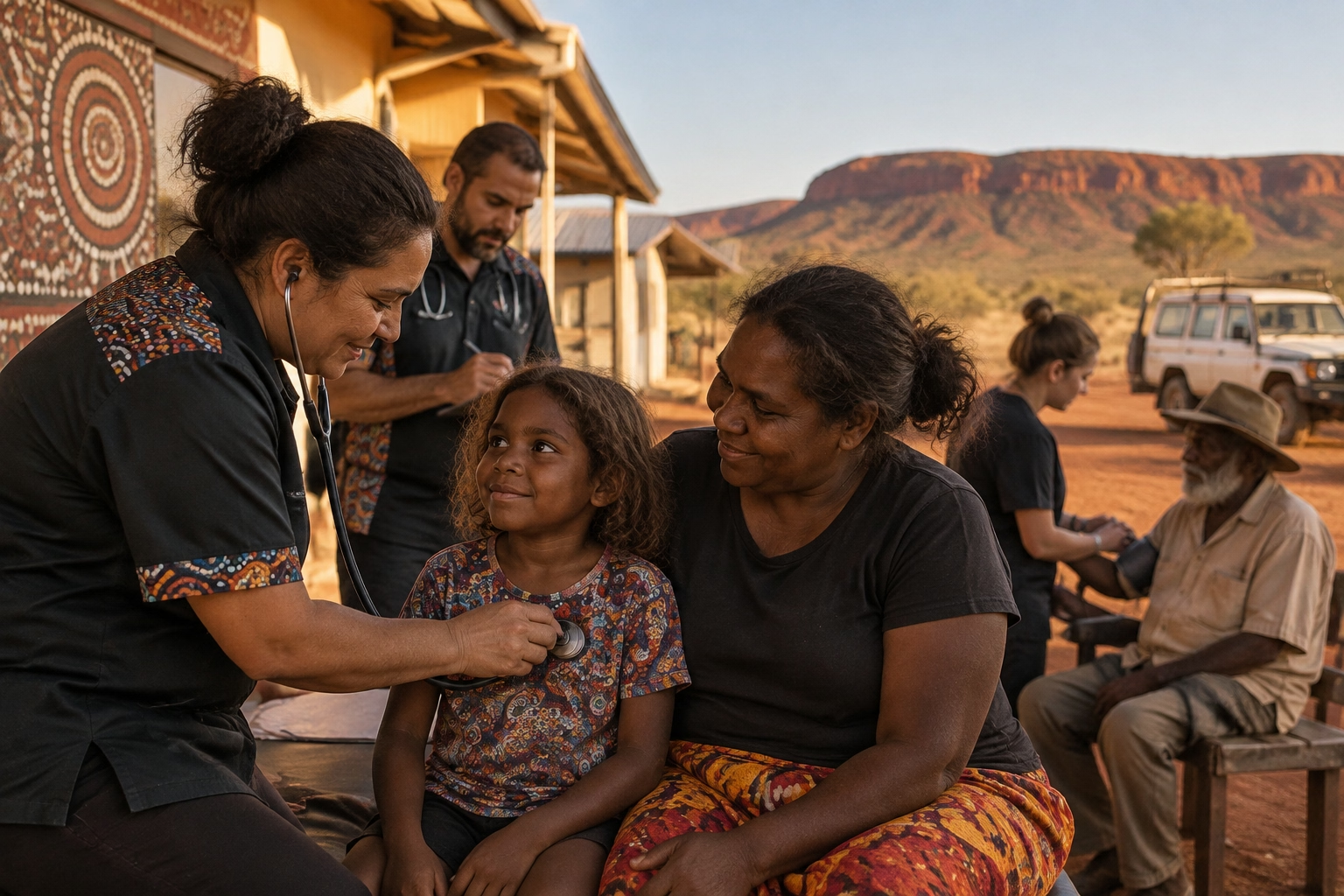
In smaller towns, healthcare often depends on teamwork. A single patient may rely on a GP, pharmacist, visiting specialist, community nurse and hospital service. Digital tools make it easier for these providers to share accurate information and avoid fragmented care.
The Risk of a Digital Divide
Health technology can improve access, but only if infrastructure keeps up. Some remote communities still face internet reliability issues, limited digital confidence and fewer local support services. A patient who cannot easily use a video platform or mobile health app may not benefit from innovation.
Australia’s 2026 digital health challenge is therefore not simply to build better tools, but to make sure they work for people who need them most.
The Future of Remote Care in Australia
The most promising model is hybrid healthcare: in-person care when needed, virtual care when appropriate and remote monitoring between visits. This approach can reduce pressure on hospitals, improve early intervention and give rural patients more control over their health.
In 2026, telehealth is no longer just a backup option. It is becoming a key part of Australia’s strategy to make healthcare more accessible, efficient and equitable.