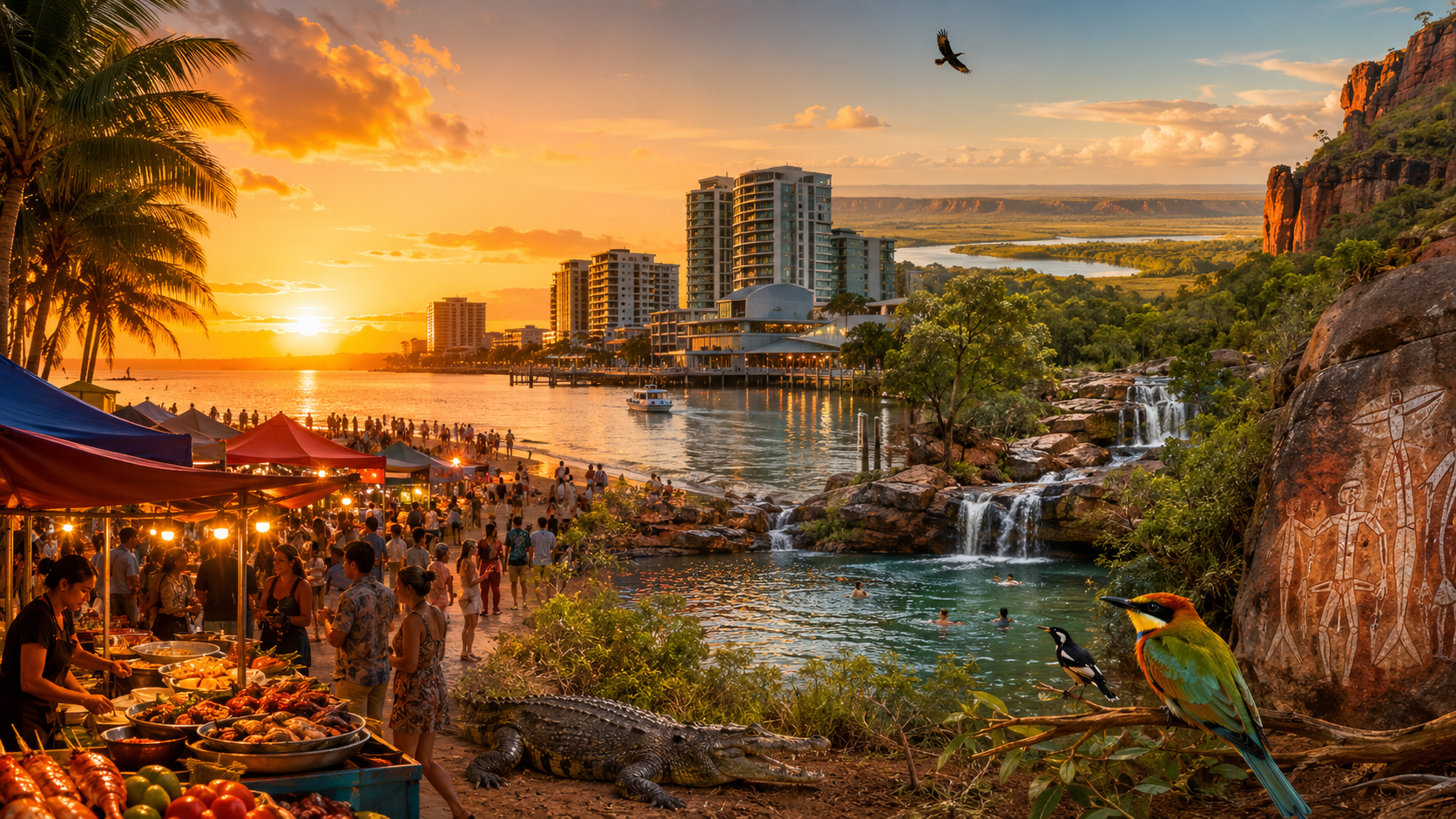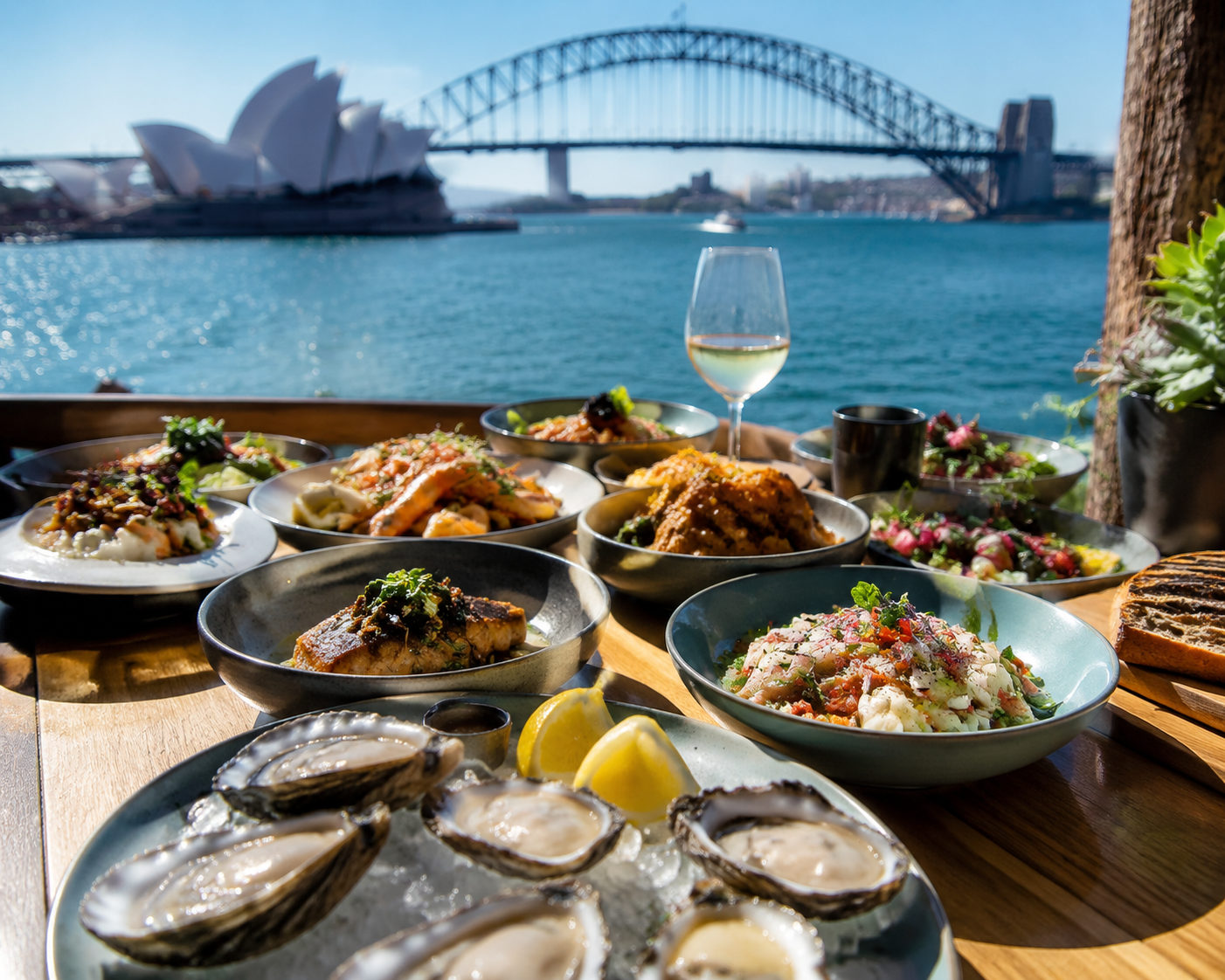
Australia rewards travellers who explore its food culture beyond central business districts. Some of the country’s most memorable meals are found in suburban dining rooms, coastal towns, public markets, Indigenous food experiences, and wine-producing regions.
The national culinary identity reflects more than 65,000 years of First Nations knowledge alongside migration from China, Italy, Greece, Vietnam, Lebanon, India, Sri Lanka, and many other regions. Sydney’s official food and drink travel guide is a practical resource for researching markets, restaurants, bars, and seasonal experiences before visiting Australia’s largest city.
Begin With Indigenous Food Knowledge
Ingredients such as wattleseed, finger lime, lemon myrtle, quandong, saltbush, and native pepper have become increasingly visible on restaurant menus. Their cultural meaning, however, extends far beyond novelty.
Travellers should prioritise Indigenous-owned tours, businesses, and dining experiences where possible. A guided experience can explain how native foods are gathered, prepared, and connected to Country. It also helps visitors understand why responsible sourcing matters.
Restaurants may use native ingredients in sauces, desserts, breads, seafood dishes, and non-alcoholic drinks. Asking where ingredients come from can turn a meal into a more informed cultural experience.
Explore Sydney Through Its Communities
Sydney’s dining geography tells the story of migration. Cabramatta is known for Vietnamese food, Harris Park for Indian cuisine, Strathfield for Korean dining, and Lakemba for Middle Eastern and South Asian flavours.
In the city centre, Bennelong combines a landmark setting with contemporary Australian cooking. Seafood enthusiasts can research Saint Peter, where fish is treated with a nose-to-tail philosophy. Spice Temple is another option for travellers interested in regional Chinese dishes and bold chilli-based flavours.
For a less expensive day, combine a market breakfast, suburban lunch, and casual harbour-side dinner.
Continue South to Melbourne
Melbourne offers one of Australia’s deepest restaurant cultures. Its laneways, neighbourhood cafés, wine bars, and migrant communities make it suitable for several days of culinary exploration.
Attica is a major reservation for travellers interested in experimental Australian cooking. Maha delivers a refined Middle Eastern menu, while Supernormal draws on Japanese, Korean, and Chinese influences. For a more informal experience, explore dumpling restaurants in Chinatown or Vietnamese bakeries and noodle shops in Richmond.
Coffee remains part of the city’s identity, but visitors should also investigate its bakeries, natural wine bars, and independent food markets.
Taste Regional Australia
Adelaide is an effective base for visiting the Barossa Valley, Adelaide Hills, and McLaren Vale. Restaurants such as Africola and Restaurant Botanic demonstrate two very different sides of the city: one energetic and spice-driven, the other highly structured and seasonal.
Western Australia offers rock lobster, marron, premium seafood, and produce from regions such as Margaret River. In Perth, Wildflower connects its menus with Indigenous seasonal concepts, while Lulu La Delizia specialises in the food traditions of Friuli in northeastern Italy.
Tasmania adds oysters, abalone, cheese, apples, whisky, and cool-climate wine to the journey. Hobart restaurants Fico and Aloft are notable starting points.
Build a More Authentic Itinerary
Do not schedule every meal at a famous restaurant. Leave room for food halls, farmers’ markets, bakeries, family-run businesses, and regional roadside stops.
Check opening days carefully because Australian restaurants often close on Sundays, Mondays, or Tuesdays. Menus and prices can change seasonally, so confirm details directly with each establishment before travelling.