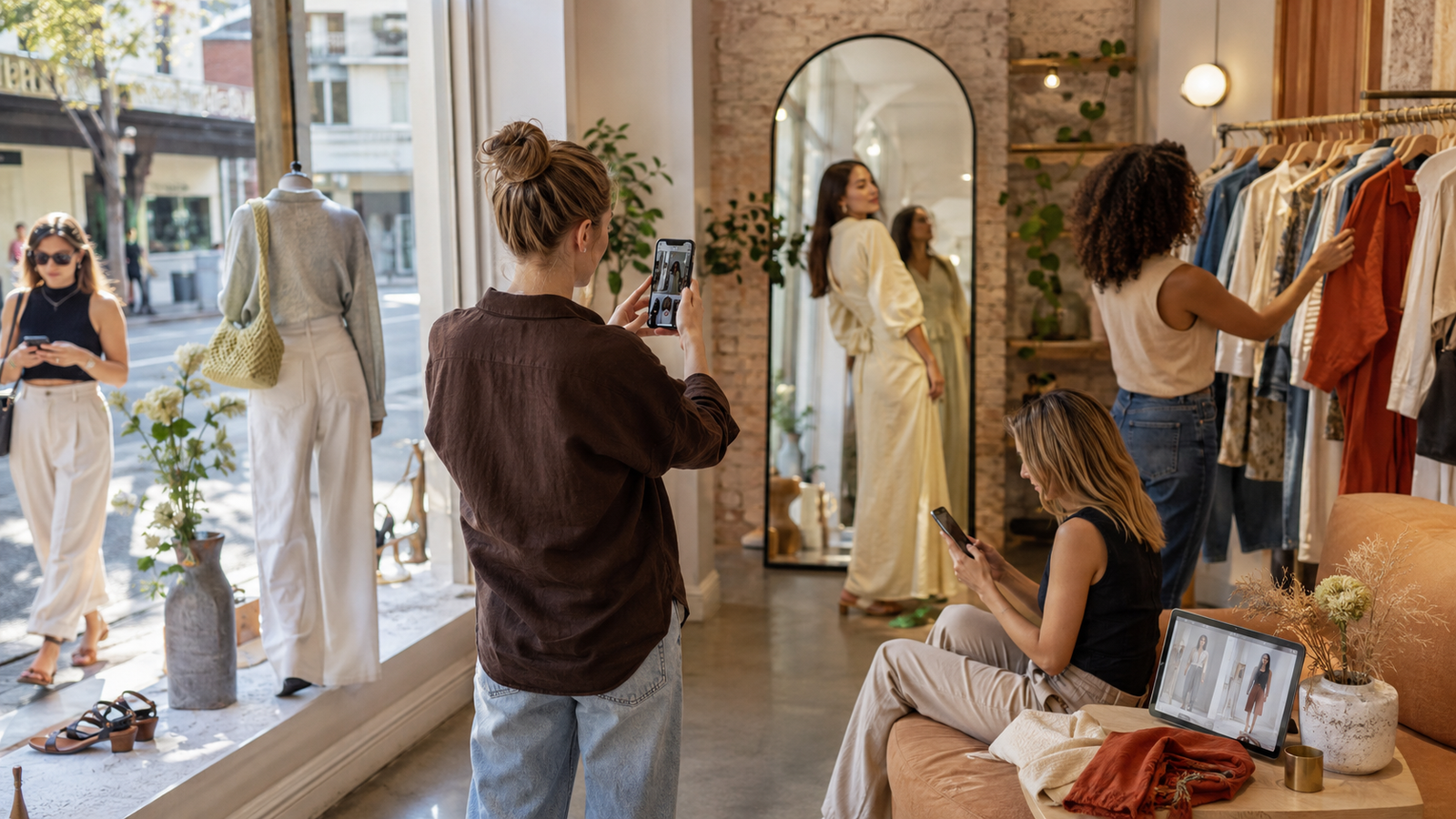
Australia’s high streets are being reshaped by independent fashion boutiques that began as temporary pop-ups and have now secured permanent tenancies. In 2026, this pop-up-to-permanent pathway is providing local designers with stable retail platforms while injecting new energy into suburban and inner-city shopping strips.
A New Wave of High Street Retail
The boutique fashion retailing sector has experienced a period of reinvention, with independent operators taking advantage of shifting commercial real estate conditions. IBISWorld’s industry analysis on boutique fashion retailing in Australia shows that smaller, experience-focused stores continue to adapt more quickly than larger incumbents, particularly in high street locations where foot traffic is returning. The report is available at https://www.ibisworld.com/au/industry/boutique-fashion-retailing/5068/.
Why Pop-Ups Remain an Effective Testing Ground
Pop-ups give designers and boutique owners the chance to test a location, product range, and price point without committing to a long lease. In 2026, many Australian designers are using short-term spaces to build a local following before transitioning into permanent retail. This model reduces financial risk and generates valuable customer data. When a pop-up succeeds, the owner can negotiate a lease with evidence of demand, often securing better terms than a traditional launch would allow.
Local Designers Gain Stability
For emerging Australian designers, a permanent boutique presence means more than sales. It provides a place to host fittings, launch collections, and meet customers face to face. This stability also encourages designers to plan further ahead, investing in fabrics and production runs with greater confidence. Boutique owners, in turn, benefit from exclusive access to collections that larger retailers may not carry, strengthening their point of difference.
High Streets Benefit from Independent Identity
Independent boutiques help differentiate high streets from homogenised shopping centres. A strip with several well-curated boutiques becomes a destination in its own right, attracting shoppers who are bored by identical chain stores. Local councils and business associations are increasingly supporting this shift through activation grants, reduced permit requirements for temporary retail, and streetscape improvements that favour pedestrian browsing.
Digital Discovery Drives Physical Visits
The pop-up-to-permanent journey is often accelerated by digital visibility. A boutique that documents its pop-up success on Google Discover, Instagram, and local media builds anticipation before signing a permanent lease. Searches for “new Australian designer boutique near me” and “local fashion pop-up 2026” are rising, and stores that optimise for these queries capture both local and visiting shoppers. Digital content also allows a permanent store to maintain the urgency and exclusivity that made its pop-up phase successful.
A Sustainable Growth Model
By starting small and scaling only after proven demand, independent boutiques avoid the overexpansion traps that have hurt larger fashion retailers. This measured approach aligns with consumer preferences for authenticity, local design, and sustainability. As more Australian designers move from temporary spaces into permanent high street homes, the sector is building a more resilient retail ecosystem that prioritises long-term relationships over short-term sales.