If there is one technology Australians have embraced faster than any other, it is contactless payment. The “tap and go” culture is nearly universal. But in 2026, the financial technology (FinTech) underpinning the culinary industry is evolving beyond the plastic card and the phone, moving towards biometrics and distributed ledger technology. This shift is not just about speed; it is about security, fraud prevention, and consumer trust.
Leaving the Wallet at Home
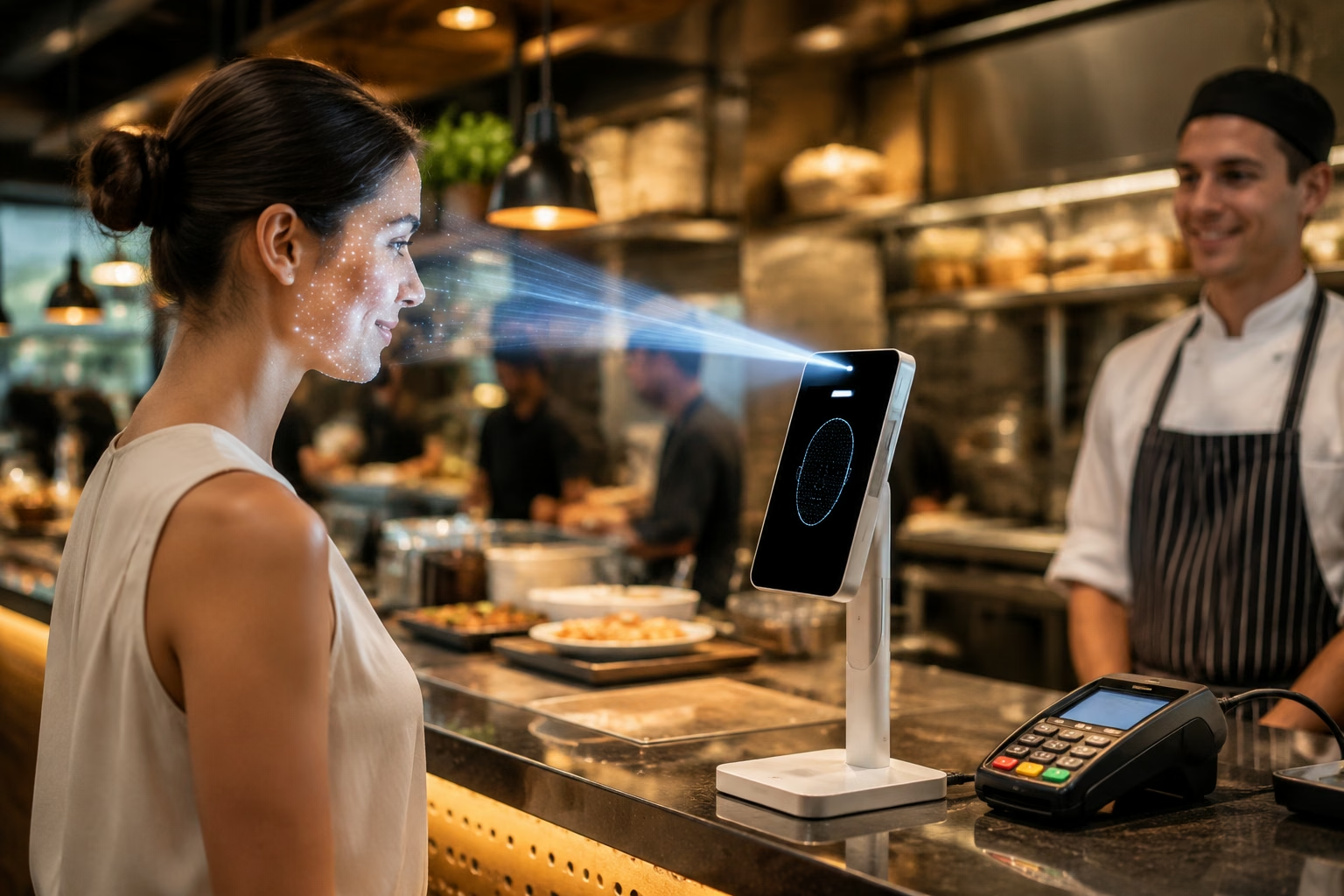
The checkout process in a modern Sydney eatery is becoming invisible. The latest wave of digitalization involves Biometric Payment Systems. Partnering with payment processors, high-volume quick-service restaurants are piloting systems that allow customers to pay with their face or fingerprint.
This technology works by linking a customer’s biometric data (hashed and encrypted) to their preferred bank card. A camera at the counter confirms the identity of the customer and deducts the payment automatically. The specific use case here is speed and hygiene. In high-traffic areas like airport food courts or stadium concessions, eliminating the physical act of reaching for a phone or wallet can reduce transaction times by up to 12 seconds per customer. Over an hour, this translates to dozens of additional sales during peak rushes.
Moreover, Tap-to-Phone (T2P) technology is democratizing payments for food trucks and market stalls. Instead of renting expensive EFTPOS terminals, a vendor can simply use their smartphone as a payment terminal. This has significantly lowered the barrier to entry for mobile food businesses across Australia’s vibrant festival circuit.
The Blockchain Backend
While customers experience the speed of payment, the most radical digital transformation is happening behind the scenes in the supply chain. Australia has a strong reputation for high food safety standards, but tracing the origin of ingredients has traditionally been paper-based and slow.
In 2026, major restaurant groups are experimenting with Blockchain for Food Provenance. This technology creates an immutable digital ledger of a food product’s journey from farm to plate.
The specific relevance to the dining public lies in verification. A high-end seafood restaurant in Tasmania can now place a QR code on the menu next to the abalone dish. When scanned, the diner is taken to a blockchain explorer that shows the exact GPS coordinates where the abalone was harvested, the time it was shipped, and the temperature log of the cold chain during transport.
This level of transparency builds immense brand trust and allows restaurants to justify premium pricing. According to a 2026 report by AgriFutures Australia, the adoption of blockchain traceability in premium food exports has increased consumer confidence and willingness to pay a premium by an average of 18% (AgriFutures Australia, 2026).
Cybersecurity Implications
As the industry becomes cashless and digitized, it becomes a target for hackers. Australian restaurants hold vast amounts of personal data. Consequently, the final piece of this puzzle is stringent compliance with the Privacy Act 1988 (Cth) and the implementation of end-to-end encryption. The digital restaurant of 2026 must be as secure as a bank, ensuring that the convenience of the technology does not compromise the safety of the consumer.
The digitization of the culinary payment and trust infrastructure marks the final evolution of the industry from an analog craft into a highly secure, data-driven machine.