A Market of Contradictions
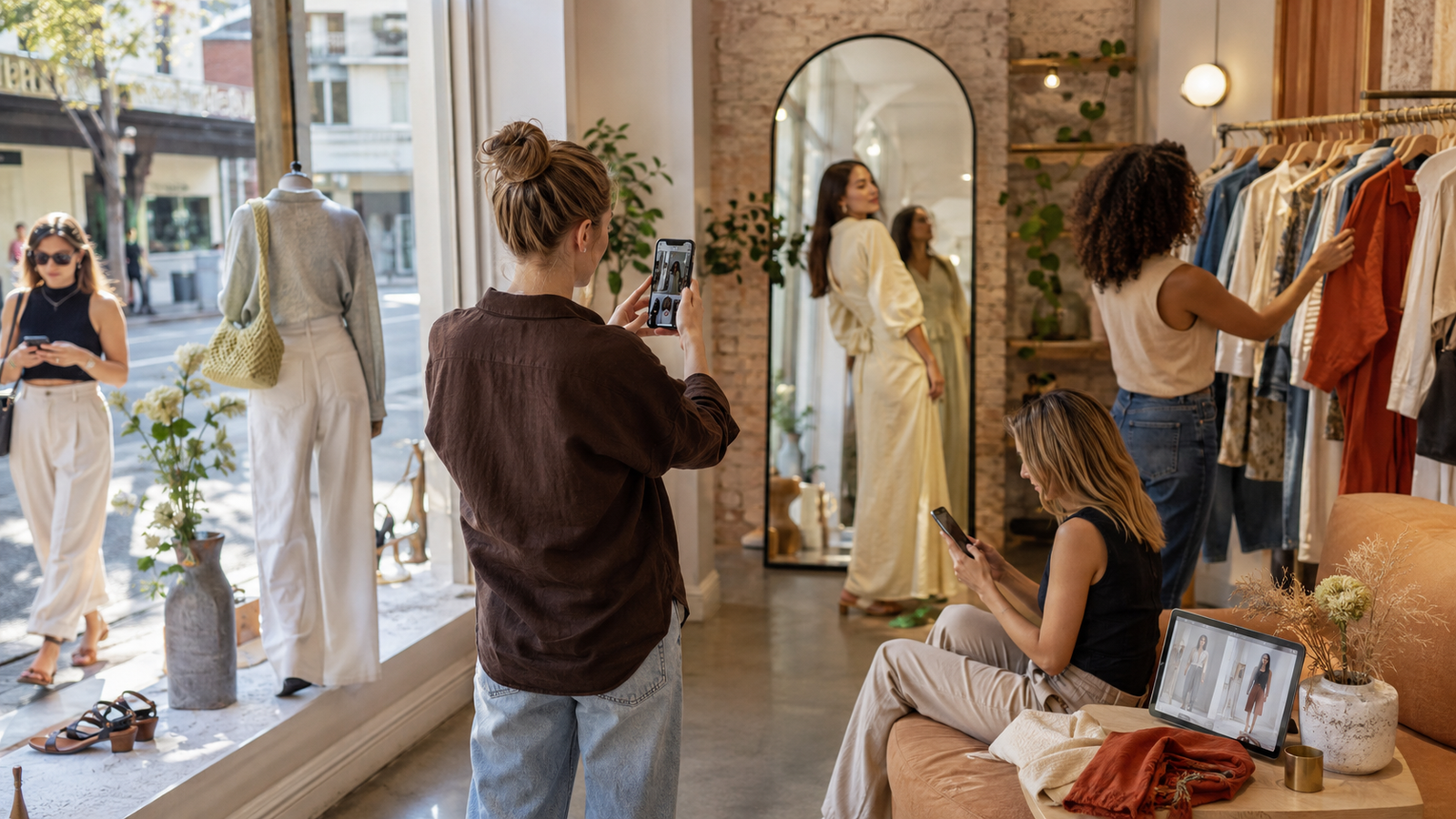
Australia’s retail sector is entering one of its most fascinating periods in years—not because of explosive growth, but because of contradiction. Consumers are cautious, yet still spending. Luxury is softening in some areas, while premium experiences continue to thrive. Value retail is booming online, while many physical retailers struggle with margin pressure.
The Value-Conscious Consumer
Australian consumers are still spending, but they are spending differently. Deloitte’s 2026 retail outlook suggests the strongest growth areas will come from discretionary and experience-led categories—businesses that can clearly communicate value, emotional connection, and differentiation.
Consumers are scrutinising purchases more carefully, comparing prices aggressively, delaying discretionary spending, and seeking clearer justification for premium pricing. For the jewellery industry, this means generic products become increasingly vulnerable, while strong branding, storytelling, craftsmanship, and service grow more important.
The Quiet Luxury Signal
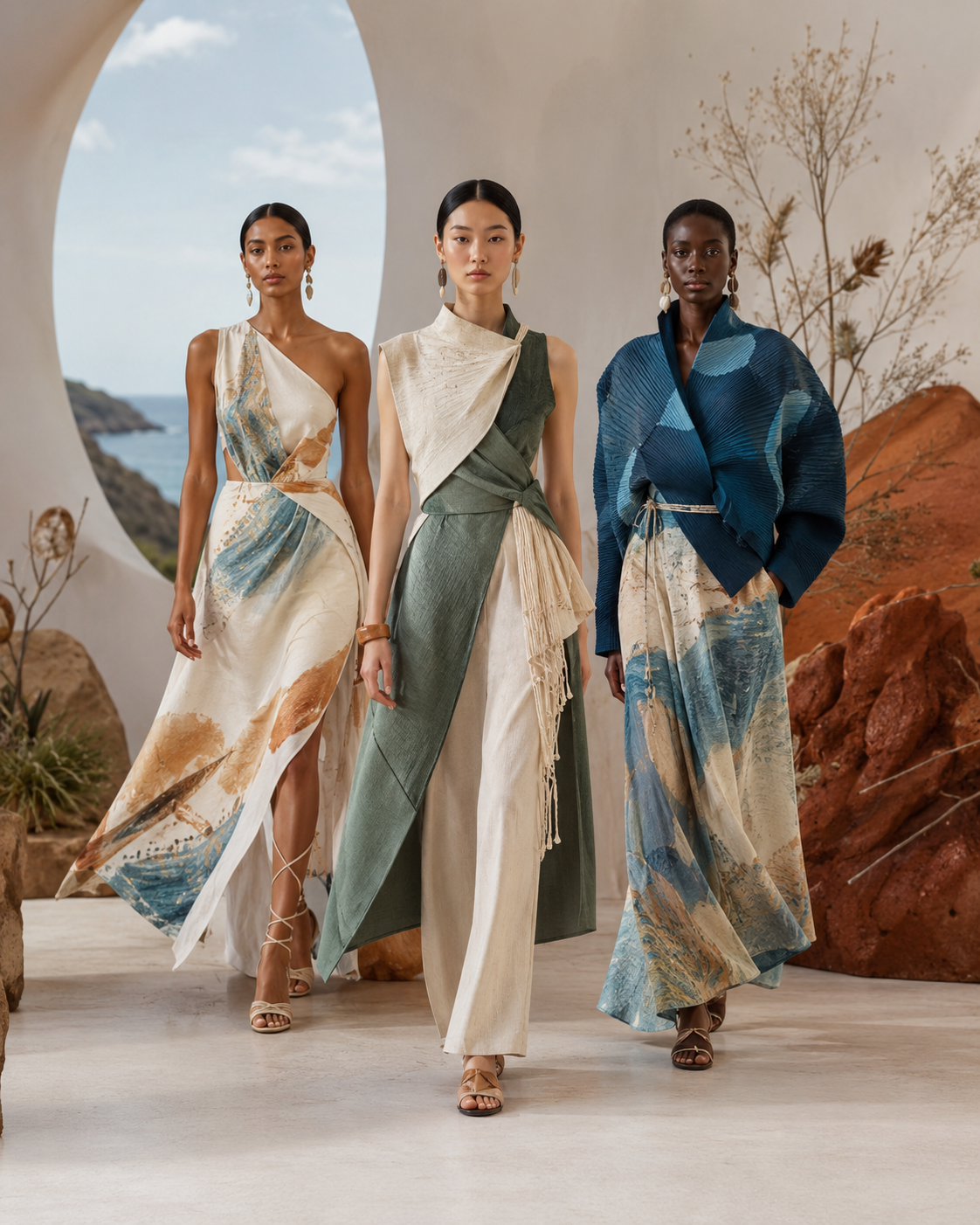
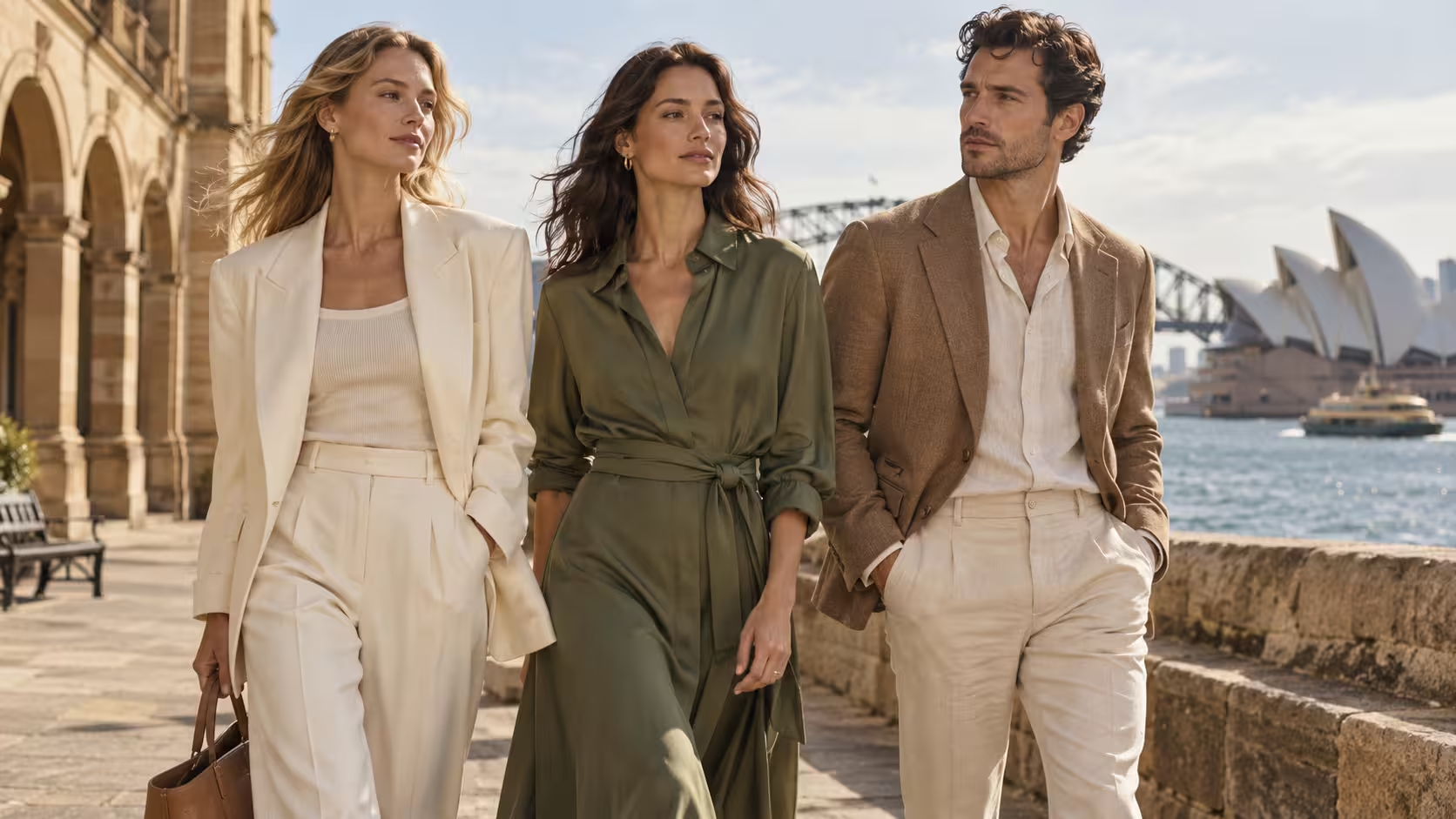
ING research reveals that 25% of Australians identify embracing quiet luxury as a top priority for 2026. This reflects a shift toward high-quality, statement clothing pieces and a rejection of fast fashion. The top “ins” for 2026 include investing in health (39%) and choosing experiences over material items (27%).
ING Head of Consumer and Market Insights Matt Bowen explains: “Aussies are heading into 2026 with a more intentional mindset—cutting back on excess, investing in their wellbeing, and prioritising what truly matters. It’s less about purchases and consumption driven by social pressure, and more about conscious money decisions”.
The Rise of the Intermediate Luxury Market
A significant shift is occurring in how Australians approach luxury brands. According to research by Agility Research & Strategy, only 16% of Australian respondents say they have actively shifted spending toward high-quality brands positioned below traditional luxury, against 23% across nine markets surveyed. Another 17% remain focused on traditional luxury regardless.
This suggests Australian consumers are more conservative about brand experimentation—not less exposed to it. Notably, 63% prefer luxury without visible branding, against 71% across the nine markets. This preference for stealth wealth defines the quiet luxury movement in Australia.
The Craftsmanship Premium
Belief in craftsmanship runs high among Australian luxury consumers. 89% of Australian respondents say they value brands that preserve traditional craftsmanship, against 86% across the nine markets. Additionally, 85% would pay more for a luxury item they believe will outlast them.
The distinction lies in how permanence is framed. While only 69% of Australians consciously buy luxury items with the intention of passing them on (against 81% across nine markets), the durability preference remains intact. Australians buy for the life of the object, not for its succession—a distinction about the story a brand tells, not the product it sells.
The Budget’s Impact
The 2026 Federal Budget included measures directly impacting retailers. The $20,000 instant asset write-off was made permanent for businesses with turnover under $10 million, and new ACCC scrutiny was announced for offshore e-commerce platforms such as Temu and Shein. These measures signal a shift toward protecting local retail.
What This Means for Australian Brands
The Australian retail landscape demands a nuanced approach. Consumers are willing to spend on products and experiences they emotionally connect with, but they require clear justification for premium pricing. Brands that emphasise craftsmanship, emotional value, and lasting quality—rather than brand visibility alone—will be best positioned to thrive.