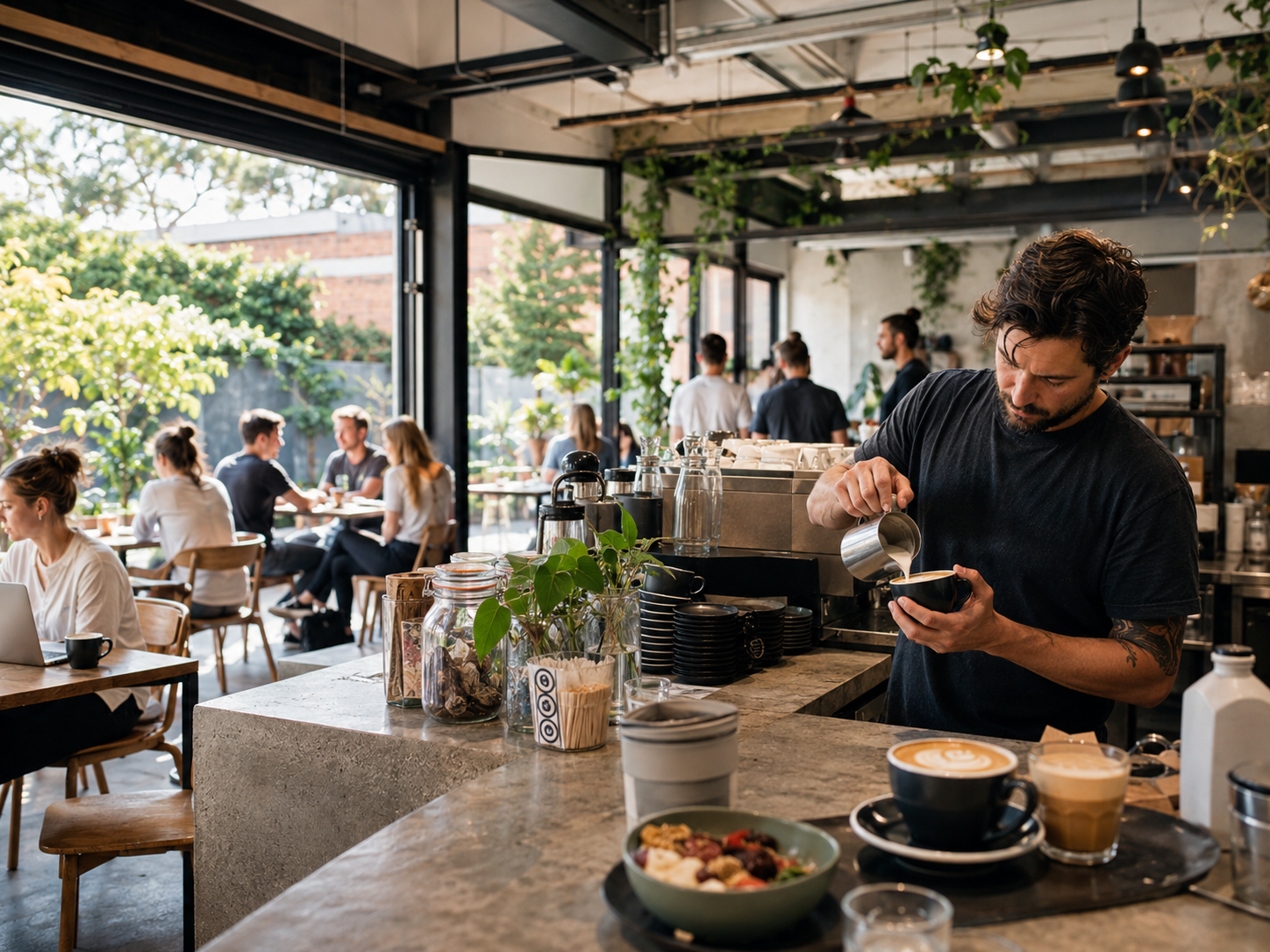
Australia’s cafe industry has become a powerful example of how cultural preferences can reshape an entire business sector. Over several decades, coffee consumption in Australia has moved beyond convenience and developed into a lifestyle experience supported by skilled professionals, innovative entrepreneurs, and highly informed consumers.
Coffee as a Cultural Identity in Australia
Coffee plays an important role in Australian social life. Cafes function as meeting places for business discussions, community interactions, remote work, and leisure activities. This cultural position gives Australian cafes a unique advantage compared with markets where coffee is mainly considered a quick takeaway product.
The growth of migrant communities, particularly European influences after World War II, contributed significantly to Australia’s espresso culture. Italian and Greek communities helped introduce cafe traditions that later evolved into a uniquely Australian approach.
Independent Cafes Challenge Traditional Business Models
A defining characteristic of Australia’s coffee market is the strength of independent operators. Many small cafe owners compete successfully by focusing on quality, local identity, and customer relationships.
Instead of competing only through pricing, modern cafes differentiate themselves through atmosphere, menu creativity, and brand storytelling. A cafe may become known for a specific roasting technique, unique food combinations, or sustainability commitments.
Industry information from the Australian Government’s business resources highlights the importance of small businesses within Australia’s economic structure:
https://business.gov.au/planning/business-structures-and-types/small-business
Technology Changes Customer Expectations
Digital transformation has changed how Australian cafes operate. Customers now expect fast ordering, cashless payment options, online reviews, and strong digital communication.
Social media platforms have become powerful marketing channels. A visually attractive cafe environment, creative coffee presentation, and engaging online content can significantly influence customer decisions.
Many businesses also use customer data from loyalty programs to understand purchasing patterns and create personalized promotions.
Sustainability and Ethical Coffee Supply Chains
Australian consumers are increasingly aware of environmental and ethical issues. This has pushed cafes to examine every stage of their operations, from coffee sourcing to waste management.
Responsible cafes often promote fair relationships with coffee producers, environmentally friendly packaging, and reduced food waste strategies.
This trend creates opportunities for businesses that can communicate genuine sustainability efforts rather than simply using environmental messaging as marketing.
Competition Creates Continuous Innovation
The Australian cafe industry remains highly competitive because consumers have many choices. This competition encourages constant improvement in coffee quality, service standards, and customer experience.
Successful cafes increasingly operate as lifestyle brands. They sell not only coffee but also community, convenience, and emotional connection.