E-commerce is now one of the most important parts of the Australian fashion industry. It has changed how people shop, how brands communicate, and how fashion products move from designers to customers. Online shopping has made fashion more convenient, more personalised, and more widely available across the country.
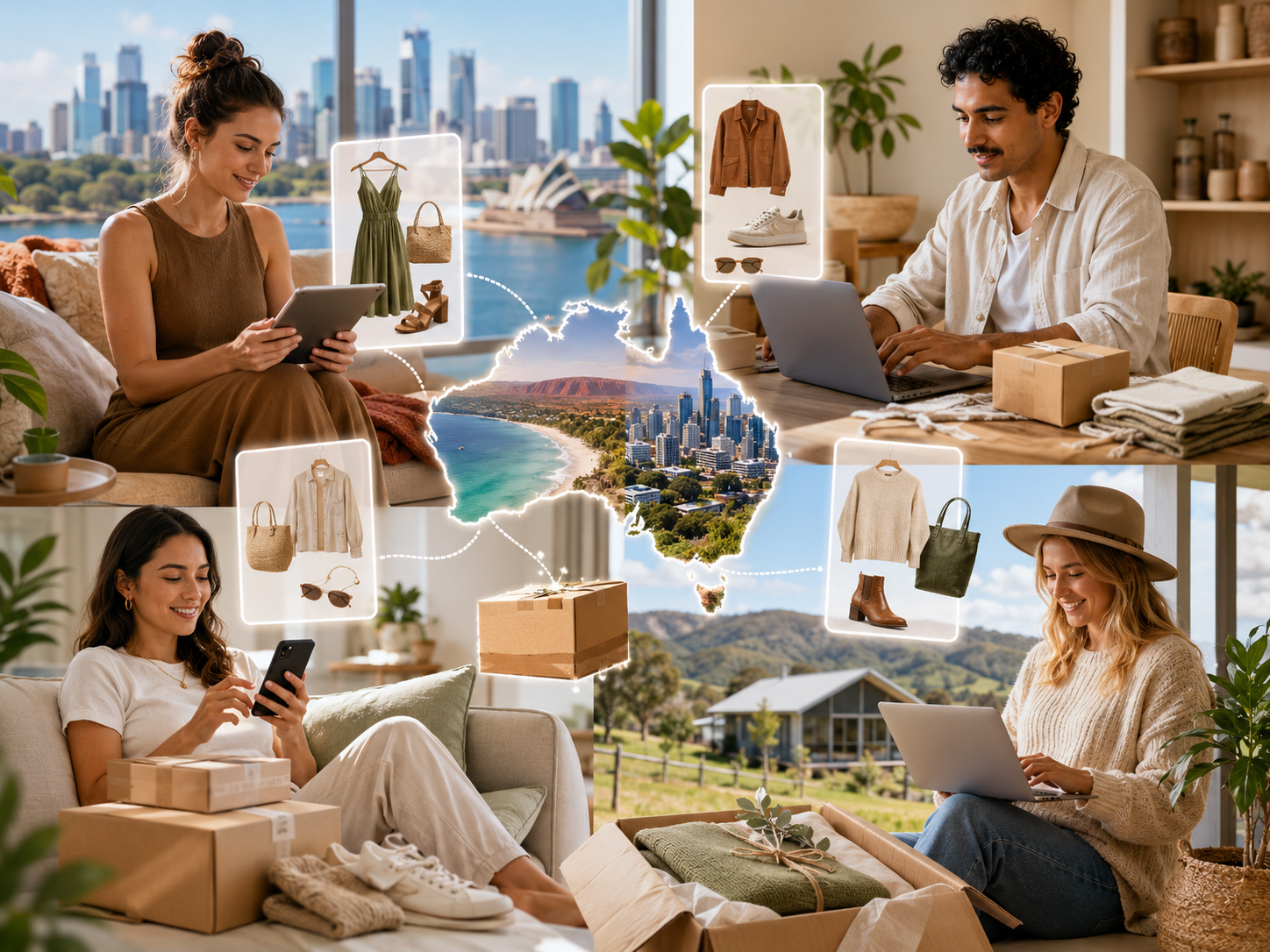
A major reason e-commerce matters in Australia is accessibility. The country has large distances between cities, suburbs, and regional communities. Not everyone can easily visit large shopping centres or designer boutiques. Through online stores, customers can browse and buy fashion items from wherever they live. This has helped reduce the gap between urban and regional shoppers.
Convenience is another major factor. Online fashion shopping allows customers to make purchases outside traditional store hours. A person can order a jacket in the evening, compare shoes during a commute, or look for a dress on the weekend without dealing with crowds. This flexibility matches the lifestyle of modern consumers who want fast, simple, and comfortable shopping experiences.
E-commerce also gives Australian shoppers access to a much wider product range. Online stores can offer more sizes, colours, styles, and brands than many physical outlets. Customers can search for specific needs such as sustainable fabrics, plus-size clothing, Australian-made garments, beachwear, office outfits, luxury accessories, or affordable basics. This wide selection makes fashion shopping more inclusive.
The online environment has also made customers more informed. Product pages often include fabric descriptions, care instructions, customer reviews, model measurements, delivery details, and return policies. These features help shoppers understand what they are buying before placing an order. When information is clear and reliable, customers feel more confident.
Fashion brands in Australia benefit from e-commerce because it expands their reach. A local label can sell to customers across the country without opening multiple stores. With the right website, photography, branding, and marketing strategy, even a small business can compete in the digital marketplace. This has encouraged more independent designers to enter the fashion industry.
Digital marketing plays a major role in this growth. Brands use social media, email newsletters, online ads, influencer partnerships, and content marketing to attract shoppers. Instead of simply displaying products, many fashion businesses now create full digital experiences. They show outfit ideas, styling advice, customer photos, and behind-the-scenes stories to build trust and interest.
Personalisation is another strength of fashion e-commerce. Online platforms can suggest products based on previous purchases, browsing habits, and customer preferences. This saves time and helps shoppers discover items that match their taste. A customer who regularly buys linen clothing, for example, may receive recommendations for summer dresses, relaxed shirts, or matching accessories.
Still, online fashion shopping has challenges. Customers may worry about fit, fabric quality, colour differences, or delivery delays. Successful retailers address these issues with accurate photos, clear measurements, easy returns, fast support, and transparent policies. Trust is essential because shoppers must feel secure before buying items they have not seen in person.
Sustainability is becoming increasingly important as well. Many Australian consumers are looking for ethical fashion, recycled materials, second-hand options, and brands that provide honest information about production. E-commerce helps these choices become easier to find.
The role of e-commerce in Australian fashion continues to grow because it offers practical benefits for both shoppers and businesses. It makes buying fashion easier while helping brands reach wider audiences and respond more quickly to consumer needs.