The Australian workplace is shedding its binary skin. For generations, the professional dress code was a rigid script: suits for men, skirts and blouses for women. This script is now being rewritten by a new generation of workers who view clothing as a spectrum rather than a binary. The rise of gender-fluid fashion is not just a fringe trend; it is actively expanding the “grammar” of office style, creating a more inclusive and psychologically safe environment for all employees.
Deconstructing the Silhouette
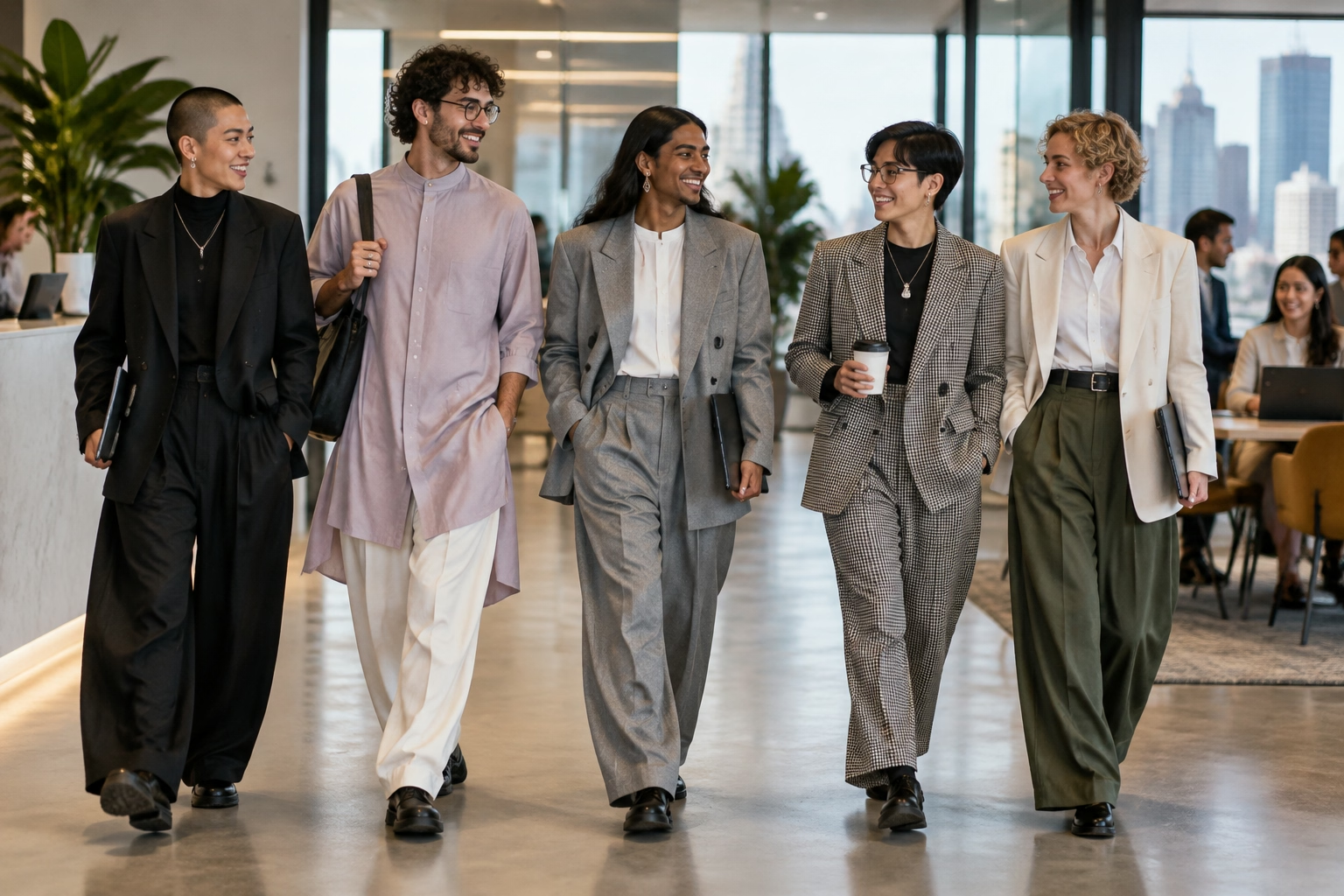
The most visible change is in the silhouette of professional attire. The strict lines of the “masculine” suit and the “feminine” dress are blurring. We are seeing an influx of pieces that subvert traditional expectations: men’s tailoring with soft, flowing draping, and women’s wear with strong, structured shoulders.
Non-binary and gender-fluid employees often lead this exploration, but the freedom is filtering through the mainstream. A male banker might wear a tunic-style shirt in a soft pastel shade, while a female executive might opt for a boxy, deconstructed suit in a houndstooth pattern. The focus has shifted from adhering to gender norms to curating a personal aesthetic that communicates competence, creativity, and individuality. The 2026 “Inclusion in the Workplace” survey by Pride in Diversity found that companies that actively dismantled gendered dress codes reported a 25% increase in employee satisfaction scores among staff under 35 (Source: Pride in Diversity – Workplace Inclusion Index 2026).
The Business Case for Breaking Rules
Forward-thinking Australian companies are recognizing that rigid dress codes are a barrier to talent acquisition. For a generation that values authenticity, the demand to conform to a binary gender presentation is seen as an infringement on personal identity. By removing gender-specific labels from dress policies, companies signal that they value the employee’s brain and talent over their adherence to traditional aesthetics.
This shift is also driving commercial innovation. Australian retailers are increasingly moving away from “Menswear” and “Womenswear” floors, opting instead for integrated “Tailoring” or “Lifestyle” sections. This allows customers to shop without the psychological constraint of a label. The result is a marketplace that encourages experimentation and self-expression, which trickles down into the office.
A More Creative Corporate Culture
The ultimate impact of gender fluidity on Australian fashion is a surge in creativity. When employees are not constrained by a narrow set of options, their personal style can flourish. The office becomes a runway for diverse forms of expression, from avant-garde Japanese silhouettes to bold, colorful patterns.
This visual diversity often correlates with cognitive diversity. By dismantling the external pressure to conform, companies are unlocking a new level of authenticity in their workforce. The modern Australian office is becoming a place where the lines between the professional self and the personal self are not just blurred, but celebrated. It is a recognition that the best ideas come from people who feel free to be themselves—dressed exactly as they choose.