Luxury Without Excess
At Australian Fashion Week 2026, the most confident collections did not shout. They were built on restraint, tactile fabrics, and construction that rewarded close examination. KODARI Magazine described the week as a departure from spectacle toward “artistry, eco-friendliness, cultural authenticity and contemporary comfort,” with designers focusing on emotional resonance, quality, and longevity rather than viral moments.
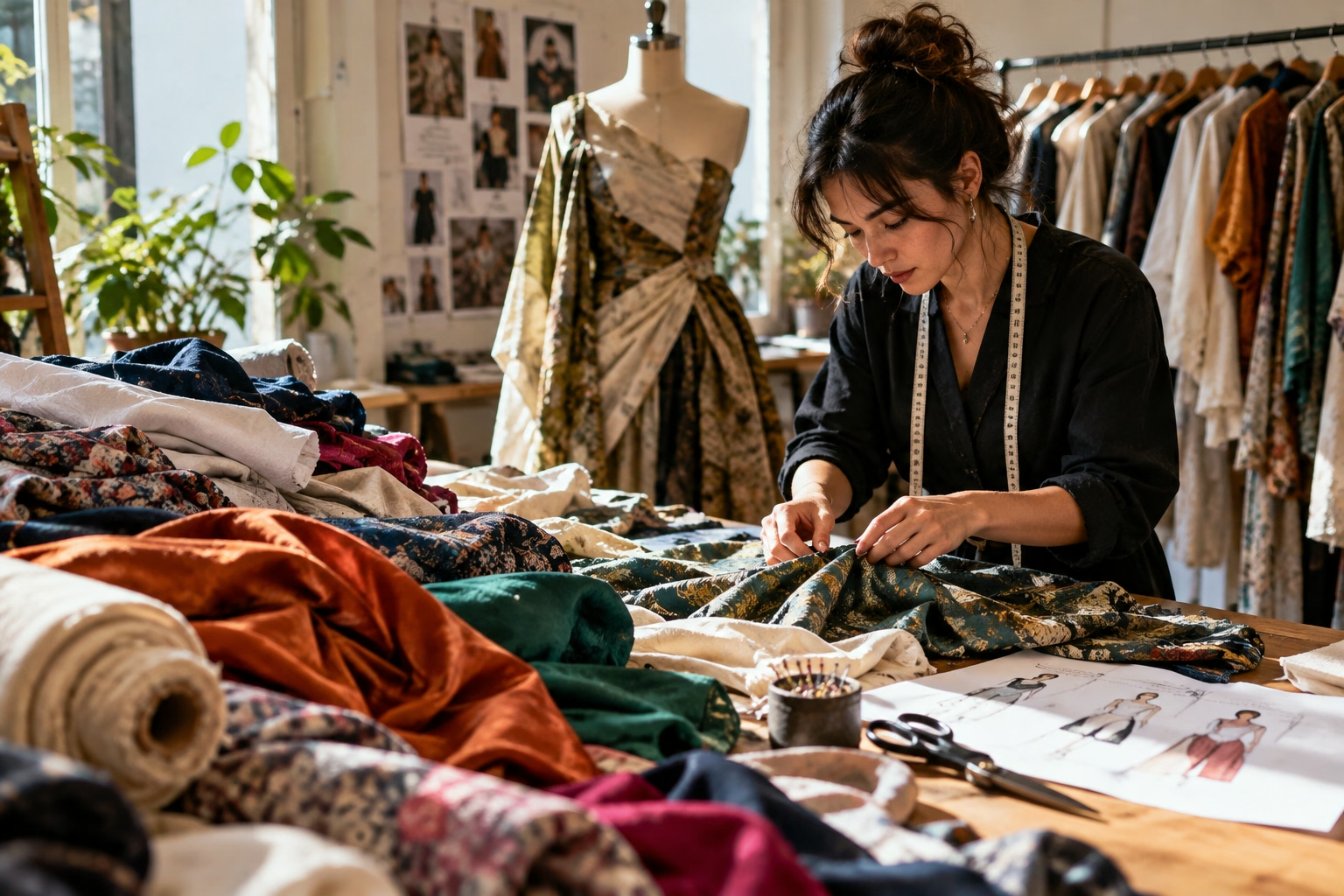
Deadstock was central to that language. Elegant eveningwear was created from deadstock fabrics, and sharply tailored separates were made from locally sourced materials. The point was not to advertise sustainability as a separate category; it was to make it inseparable from desirability. As the review put it, sustainability was “no longer a talking point; it was their foundation”.
The Conscious Collector and the Provenance Premium
The buyer profile has shifted alongside the runway. More luxury consumers are seeking items with permanence, meaning, and provenance, and Australian designers are responding with clothing intended to be cherished rather than replaced each season. Deadstock serves that psychology directly. A garment made from a finite roll of surplus cloth has a documented origin story and an implicit limit on how many can exist.
This is a different kind of luxury from the European heritage model. It is grounded in Australian material realities: local wool and cotton, small-batch manufacturing, and a growing discomfort with the volume-driven import model that supplies 97 per cent of clothing sold in Australia.
Quiet Luxury, Australian Style
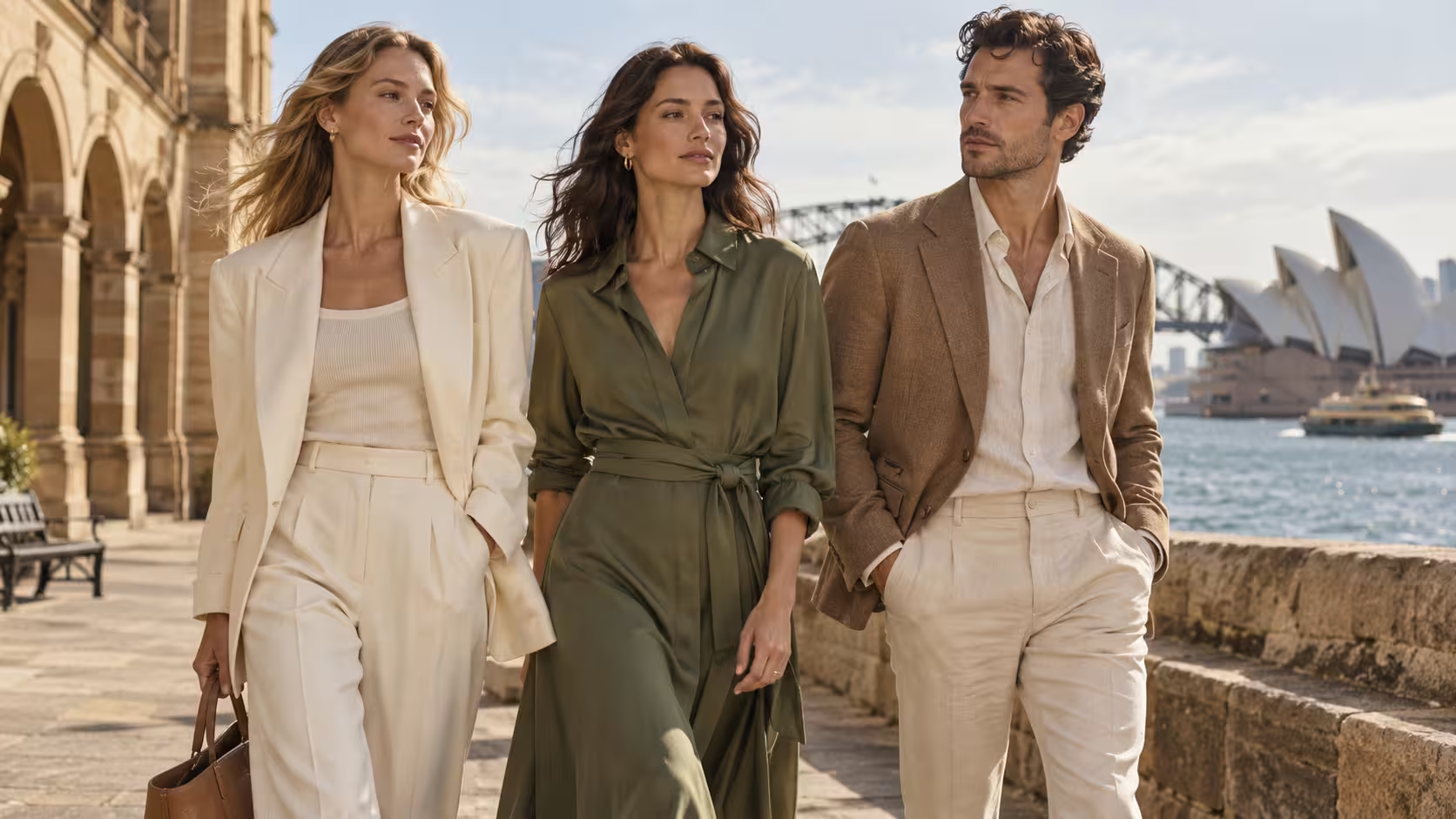
The aesthetic expression of deadstock is also maturing. Earth-toned palettes—eucalyptus green, ochre, sandstone—echo the landscape, while fluid tailoring and hand-finished details replace logo-driven branding. The strongest collections showed that a garment made from leftover fabric does not have to look “recycled.” It can look resolved, precise, and quietly expensive.
The challenge is consistency. Deadstock supply is irregular, and not every designer has the scale or skill to build a full collection around it. But the 2026 runway evidence suggests that the Australian market is ready to reward the attempt. When the cloth is limited and the craft is visible, the consumer is not being asked to compromise. They are being offered something that cannot be bought twice.