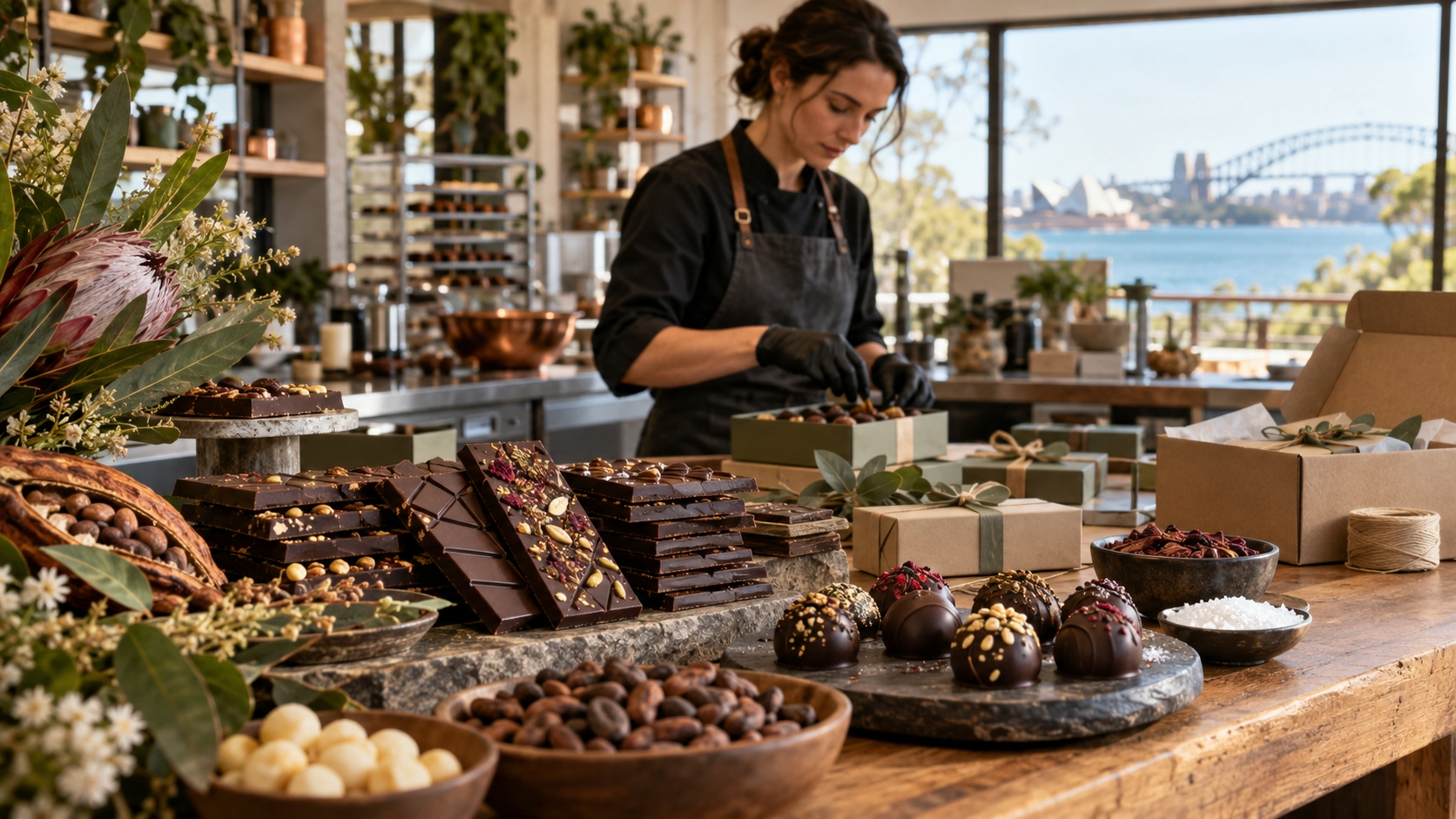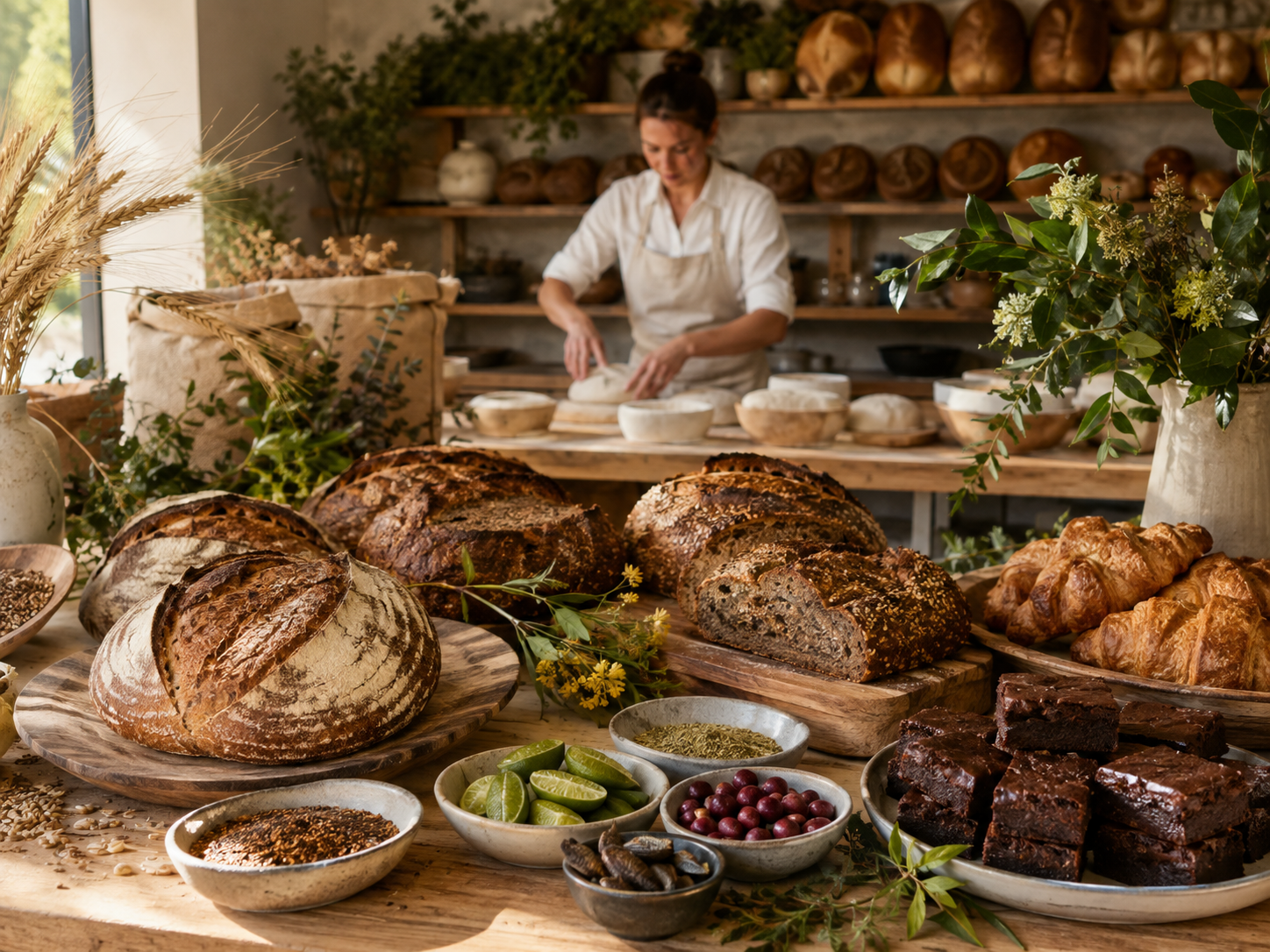
The humble meat pie may still be an Australian icon, but the country’s pastry identity has expanded far beyond it. In 2026, Australian dessert chefs are gaining international recognition for their use of native ingredients, their mastery of hybrid pastries, and their ability to turn local bakery trails into tourist attractions. The result is a new kind of food tourism built on butter, flour, and bush foods.
Native Ingredients Gain International Attention
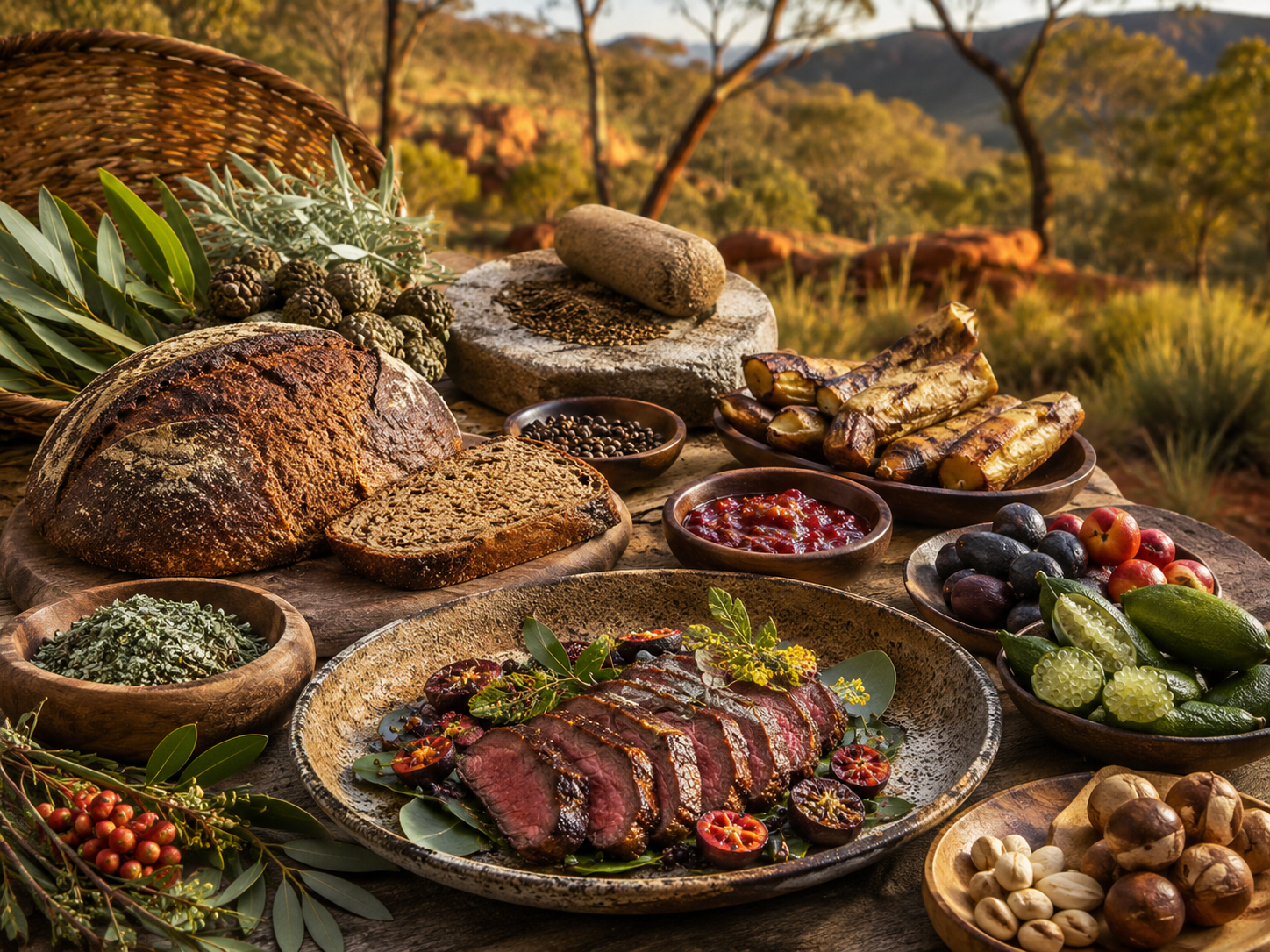
Australian pastry chefs are increasingly showcasing ingredients that cannot be found anywhere else. Finger lime, wattleseed, desert lime, and strawberry gum are appearing in croissants, tarts, and entremets at international food festivals and in global pastry competitions. These ingredients offer a unique flavour profile that combines citrus, spice, and nutty undertones. As international chefs search for new sensory experiences, Australian native ingredients have become a point of difference. This has also opened export opportunities for Indigenous food businesses that supply dried and frozen native produce to kitchens in Europe, North America, and Asia.
Dessert Tourism and Café Trails
Domestic and international visitors are planning bakery-focused itineraries in Australian cities. Melbourne’s laneway patisseries, Sydney’s sourdough institutions, and Brisbane’s experimental dessert bars now feature in travel guides and influencer content. Regional areas are also benefiting: the Southern Highlands of New South Wales, the Yarra Valley in Victoria, and the Adelaide Hills in South Australia have developed bakery trails that link farm shops, cellar doors, and artisan bakers. This kind of tourism encourages longer stays and higher spending in regional economies.
Export-Ready Pastry Concepts
Several Australian bakery brands are exploring international franchising and product licensing. Frozen croissant dough, native fruit jams, and wattleseed baking mixes are being exported to specialty stores overseas. Australian-trained pastry chefs are also opening cafés in Singapore, Tokyo, and London that combine European technique with Australian café culture. The concept of the Australian café—built on high-quality coffee, all-day breakfast, and inventive pastries—has proven highly exportable, and baked goods are central to that experience.
2026 Tourism and Food Service Data
Tourism Australia’s latest industry reports highlight food and wine as one of the top motivators for international visitors, with bakery and café experiences increasingly cited in visitor surveys. More information is available at Tourism Australia Industry Reports. In addition, Austrade notes that Australian food and beverage exports, including value-added bakery products and native ingredients, continue to grow in key Asian markets. This global interest is creating a feedback loop: international demand encourages local bakers to innovate further, which in turn attracts more food-focused travellers.
The global moment for Australian pastry is still building. As native ingredients become more widely known and as bakery tourism matures, Australia may soon be as famous for its lamingtons and finger lime tarts as it is for its beaches and barbecue.